Thirty Something Traveller

Exploring Latin America 🇦🇷 🇧🇴 🇨🇱 🇨🇴 🇪🇨 🇲🇽 🇵🇪 🇺🇾

Up Close Bolivia, volunteering in La Paz

On this trip I was very keen to volunteer and most of the research I conducted before I left was into volunteering. I did this at Aldea Luna, which was my first stop, and I kinda knew that I wouldn’t have time again in Chile and Argentina due to the amount of places I wanted to visit. Upclose Bolivia was one I was particularly keen on as it would give me the opportunity to work at a zoo, I’ll cover the specifics in another post, as it has been something that I’ve wanted to try for a long long time. A few weeks before I was due to arrive in Bolivia and thanks to references from Kelly and Dave I was accepted to the programme. In this post I talk about my time in La Paz. If you would like to read about the zoo then read this post.

Just rolling back a little, as the last few posts have been a little disjointed in terms of time line and the reason being is that I couldn’t cover 6 weeks in one post, as I’ve not talked about my first few data in La Paz.

When we arrived in Uyuni all of us from the Salar de Uyuni tour realised we didn’t want to stay there long so booked our places on various night busses. Benny and Emma decided to head to Sure and the rest of us headed to La Paz. I was tired and confused when we arrived in La Paz at 5am and jumped in a taxi with Michelle, Ruben and Niklas which dropped is at our various hostels. Mine was kind enough to show me straight to my bed and I had a restless few hours. I gave up on sleep and the hostel manager suggested a few things for me to do. One was the Red Cap city tour and as I’ve said before it’s good to help you get adjusted to the city. Niklas joined me and we met the others and Nathalie, a friend of Michelle’s after, heading up on the Teleférico to the El Alto market. We also brought Death Road tickets but I didn’t end up going because I was still awake at 3am and I’ll talk about this in my El Choro trek post.

The next day I extended my visa and hung out with the girls as I was feeling rather sheepish. We were tired after a week of little sleep and when I got back I found out the police had looked through all of my things as the two rather rude Germans, just these guys most Germans I meet are lovely, had been caught smoking weed. It creates a weird atmosphere which was weirder than it already was. I ended up going out for tapas with Nathalie that night, you can see the results in the La Paz food post. The next day I met up with Andrea who lives in La Paz who I had made friends with online. We went to a few bars on a very cold and wet night and then a club and the others joined. At 2am I decided to call it a night as I needed to go to to Upclose for 10am.

One thing that is really important here is the weather. I don’t think I explained how cold it was when we arrived. Bolivia was having some really unseasonal weather. From January to May there is rainy season and this was the dry season, where it is not supposed to rain! It was also unseasonally cold, despite it being winter. It’s normally sunny all day, warm when the sun shines and cold at night as it’s kinda a desert. It was so cold actually that they couldn’t run the Uyuni tours due to the cold and this added to my mood as I thought I was in for 5 weeks of this.

I awoke early on a cold and wet day and followed Vary’s instructions to the letter. Vary is my amazing coordinator at Upclose Bolivia who always replied in minutes if I had a question and thanks to Vary that I managed to go on most of the hikes in La Paz, see the earlier posts. I got a trufi, a shared taxi, to Jupapina which is a small town just to the south of the city. I was greeted by the lovely Vary and met David, Jazmín and Fabioand was shown to my room. I nearly cried as I realised I would have a private room for the next few weeks and it was so nice to unpack. I sat on the bed for the next two hours enjoying the solitude before I was given a welcoming lunch and met everyone. But before I introduce everyone let’s see some photos of Colibrí Camping, which is a campsite also run by Emma and Rolando, who I will also introduce shortly.

The above pics are from the Verde House which is where I lived for 5 weeks. Below is the rest of the camp site.

At the dinner I met the Belgium couple who were Work always at Colibri Camping. And Marcelo and Mariana who work at the campsite full time. There were probably other people there but I forget as it’s been a few weeks. That evening we had a pizza and movie night where I got to meet everyone again and it was a really nice introduction. the pizza is from a local Italian restaurant and is delivered by taxi. I found this out one night when I was headed into La Paz and the taxi that picked me up dropped off a pizza. He then pulled up outside the restaurant, beeped the horn and a waiter came out to collect the money. One thing I’ve noticed during my stay here is how trusting people are and also how honest they are in paying.

I think the stop was exactly what I needed after 4 months plus of travelling. The chance to unpack and just stop somewhere, to have a room of my own and not sleep with strangers snoring or waking me up at stupid times of the night was amazing. I really took advantage of the solitude but the weather was still freezing. I went to my room at 8pm every night and I didn’t realise it at the time but I was pretty grumpy for the first week. Again I think this was to do with fatigue and just needing to relax and watch Netflix was amazing.

The next day Vary took me to my first project, the horse treatment centre. She also showed me zona sur which would become my second home, helped me by socks and food from the supermarket.

I’ll be honest and say I didn’t enjoy the horses. The people there were lovely but I’ve grown up around horses and I now definitely know they are the one animal I do not enjoy being around. I had applied to work exclusively at the zoo but on my application I talked about my experience growing up around horses and I probably confused things. It also didn’t help that my first zoo shift was cancelled so I went back to the horse centre. This mainly involved me cleaning out the stables for 9 horses. I hated doing this as a child and I hated it now. But for me I wanted to learn new things and being around horses I wasn’t learning anything. After the forth shift I spoke with Vary who instantly changed my schedule so I was exclusively working at the zoo. I do want to just clarify that this is a personal choice and opinion. Pippa and the others loved working with the horses and they do good work there so check the website for more information-I won’t detail it here. I am just being honest with recording my time travelling.

After my first morning with the horses Vary took me back to Colibri and there I met Raquel my Spanish teacher. Upclose Bolivia can also arrange Spanish lessons and this is something I wanted to take advantage of whilst staying in one place. Raquel is Bolivian and a really great and patient teacher. Especially with me as I find it difficult to remember words. I’ve realised I’m like a child learning a language and the only way I learn is pure exposure to it and repeating things when I see them. This means most Spanish speakers end up handgun out with a toddler, but I suppose when it comes to me there is not much difference for English speakers either. But after another 20 hours of lesions I have a much better understanding of how the verbs work which is a testament to Raquel considering no one has been able to do this before.

The campsite and volunteering accommodation are situated above the Valley of the Flowers, so called because it is where the locals grow flowers for th markets. It makes for beautiful views and in my first week I took a trip down to the river, which is a little stinky as it runs through La Paz.

This is the river from the valley floor.

And some sunset pics from the trek back up to the campsite.

When I arrived Emma, Rolando, Bell and David returned from holiday. Emma is British and runs Upclose Bolivia and Rolando is Bolivian and manages he campsite. They are both heavily involved with the loca community and they managed lots of projects between them. Emma moved here for three months as per of her PhD and is still here. Rolando was great always with a smile and making sure I got in all of my early morning taxis. Bell and David are their children and the first thing I need to say is how welcoming the whole family is. By the end I did feel as if I had a second family and all of them are so happy to help out whenever they can. One day I was at the supermarket trying to return a razor that didn’t work-you won’t believe how hard it was but luckily David was there and stepped in to assist. He was a big fan of the World Cup and invited us to watch all the games. Bell was also great at giving me travel advice, tips on where to eat and where to buy things. She also taught me a lot about politics, education and how things worked in La Paz, providing me win information I wouldn’t get otherwise. I personally think she would have a great career in politics considering her fair and strong opinions.

We were all invited to their house for Jazmín and Fabiola leaving dinner, everyone gets a goodbye meal and it’s a really nice touch. You are also five a symbol, a chance to reflect on your time volunteering and the family and Vary also give you feedback. It’s something I’m not used to doing in England but it’s great and I rank it alongside Bolivians saying hello and goodbye to everyone in the room as they arrive and leave. One kiss to the cheek for women, which is standard in South America, and a handshake or hug for the men. It’s actually really good as I saw Vary do it at a party and it immediately breaks the ice. You don’t sit there thinking “who are those people”? But I’ve digressed and the tacos that evening were delicious.

I could talk more but this is one of the highlights of the stay, feeling part of a community and learning more about the culture. Previously on the trip I’ve met people but because I move so fast I’ve not had the opportunity to feel part of anything and if you are planning a long trip here, or anywhere, I’d really advise if you can to stay in one place for a while. What’s great about this is that we were not in a compound mikes away from anywhere, but on the edge of a city and were free to roam. We had to get to the volunteering ourselves which meant getting to grips with the mini-busses. And working with local people.

The minibuses in La Paz are special. Outside of the teleférico there is little in the way of formal public transport. What you have is a million minibuses. Now there is some form of regulation, it’s not completely random. So like busses each mini bus displays its destination in the window, normally multiple so you can see where it goes. You can either wave one down, they will tend to beep at you or just open the door wherever it happens to stop, red light, roundabout etc and open the door and jump in. You can even ride shotgun with the driver if you want. When you want to get off just shout something in Spanish. Esquina Por Favor is normally the best, not Escooner which is a long running joke that I will dearly miss. And the striver will stop. If you are at the back the bus will empty out so you can get off and everyone jumps on again. There are no seatbelts and they drive fast but carefully and it’s a bumpy ride. I will truest miss them. And at 2 Na it’s a bargain. I knew I was here a while when in central La Paz I walked out into traffic and jumped on a bus stopped at a light, I even got acknowledged for my Buenos Noches. But this is one of the many things La Paz has to offer. Zona Sur is great and there is so much more than staying in the centre of the city and I think you can see that reflected in my other posts.

Jumping back to the family there are also three dogs, one is called Tilly who became Pippa’s favourite and Phoebe, smelly cat, because of her farts and you can see her below. I didn’t get any shots of the dogs.

During my time there were lots of people who came and went. Sharon and her 10 year old son John, a fine gentleman in the making. Sharon is from the US and she sponsors a Bolivian girls education. She was only able to meet the girl for one day so decided to volunteer for two weeks with John. After which her husband and two younger children joins them for a two week holiday where they got night-busses and experiences Bolivia. I was so impressed and they told me at their leaving party that there is never a good time to do something and it’s still good experience for the children even when they are young. If you wait to do something it may never happen and I wholeheartedly agree. Sharon and John worked with me at the zoo, along with Mathaus, a high school student form the US who was visiting his grandfather.

Michele and Darik moves into the house on the third week. They are staying for eight weeks and replaces the Belgium work aways. Pippa and I had a really fun time with them and all quickly made friends, made especially easy with Dariks very British attitude to beer. At Pippa’s leaving party with her Bolivian friends Darik became my designated drinker because I had to go on a hike early the next day. It’s a task he took to well and I’ll call on him in the future if I need the service again.

For the World Cup Pippa and I were invited to the ambassadors house to watch the quarter final. Luckily it was a win but it was so nice to have the invitation extended.

We watched the semi final in the bar with the family, their British friend amad Michelle and Darik who helped to console us after the loss. There were many more pole and many more things, I’m not sure I introduced Pippa properly, but this is becoming too long and I hope it’s given a flavour of what I did in La Paz. I’ll write another post for my animal pics of the zoo as that is another huge section. But here is us at the leaving party.

Red Caps Food Tour and all the other food I’ve eaten (and remembered to photograph) in La Paz.

So yes I had guinea pig, not as part of the tour and I’ll come on to that later. The tour surely counts as my most awkward date ever, although it wasn’t an actual date as I had paid to go on a tour, but the problem was no one else showed up. I suppose I should really look on the bright side as I was given a private tour at the cost of a group tour but really one of the things you want to do on a group tour is meet people. And to be honest with no vested interest in one another by the time we got to the fifth restaurant and had already discussed Bolivian politics to the extent that we could both understand there was very little left to say. Besides that it was pushing 9:45 and I think my guide wanted to go home so she could concentrate on her university studies.

That aside the tour is actually really enjoyable and does give you an insight into Bolivian cuisine. I’m not 100% sure why I did this as I’d been in the country for 5 weeks at this point eating local food but Gary, Mike and I did this in Hanoi and it led to us being more adventurous with our choices. As I was about to start travelling again I suppose I wanted to be given more confidence. If I go to a Bolivian place for lunch I can get a menu for 10-20bs, I might get food poisoning mind as there is 0 health and safety requirements here. As a quick aside one Bolivian friend told me she has had salmonella poisoning 6 times in her life BUT it’s not good business to poison people and I suppose once word gets around people don’t eat there. So rule number 1 is only go to places where you can see others eating, ideally where you can see the actual food being served. Although don’t do what Gary did in Vietnam where he saw something he liked on another table, found out what it was and then ordered us all raw chicken that we had to cook at the table! On this occasion the waiter was so worried he took it to the kitchen for an extra fry.

Anyways I’ve digressed. You can get a lunch menu for 10-20 bs which is generally soup followed by a meal. Remember Bolivians tend to have their main meal at lunch with a snack in the evening. The only problem with this is the main meals tend to be meat, sauce and rice, which is great. Accompanied with salad, which I can’t eat and neither should you as you don’t know where it was washed, one or more of the 400 varieties of potato’s, boiled, bland as anything, yuk and giant sweet corn that I also don’t like. Having said this I generally find food here delicious. Also in La Paz there is a wide variety of international food cooked amazingly but is sadly much more expensive. If you want really good food my tip is to pop to Sopocatchi or down to San Miguel in Zona Sur. Which brings me on to the other reason as to why I’m writing this special post about food. Normally I’d just include the pics along with the location but I’ve stayed here for 6 weeks and I didn’t get any gourmet food on the hikes so here it is instead. Oh, one last thing. Burger King is delicious here!

Red Hat Tour

I may have already put you off the tour but I honestly don’t mean to. I’ve been told it varies in size massively and there is no particular day of the week where you are likely to get a bigger group. I suspect later in the week and weekends is better but who knows. I went on a Tuesday and the night before there were 10 people on the tour. Maybe find out when I’m planning to go and book a different night.

We met, i can’t remember my guides name, outside San Francisco church at 6pm. After establishing that it was just me we headed over to Mercado Lanza, which you can see from the square. If you’ve done the free walking tour you will be used to this, if not it’s worth checking out. Built in 2006 there are a huge variety of stores selling all sorts but lots of food worth trying too.

One thing that is really good value in the market is fruit juice. This is something Bolivians have for breakfast and you can chooses the fruits, decide if you want leche or azúcar added or el natural. The one I was given has a little of all the fruits and some vitamins. I asked for a little sugar, just because you need something to spice it up. I particularly enjoyed the sugar puff esq croutons on the top.

Next up was another little restaurant in the market where I had Api, which is a drink made from purple maize, cinnamon, water and sugar, served hot. It’s apparently a breakfast drink but there were lots of people enjoying it this evening. For me this was accompanied by a pastel de api, which you can see in the photo below. It’s a very light pastry which you can add a dusting of icing sugar and delicious.

With the starter out of the way we headed to the next restaurant for the main course. We shared a bottle of Huari and tried a pork based dish (I can’t find the name so maybe someone can help me out?) which includes rice, corn, two types of potatoes and a delicious sauce.

We went to another restaurant close by, this time it was Dutch owned but they serve authentic food apparently. I got to try my first Singani, which is very similar to the Pisco that is made in Peru and Chile. This was similar to a Pisco sour but you can drink it with Sprit or ginger ale and lemon I am told.

I also had a soup that it appears I have both forgotten to photograph or remember anything about. It’s probably because I love soup and ate it quickly and one of the best things about Bolivian quinine is the soups. Hearty and delicious and normally served as a starter as part of an almuerzo menu it’s the perfect thing to keep you warm in the cold altitude of La Paz.

Next up on the same restaurant was a Pique a lo Macho, which is famous from Cochabamba, a town I am about to visit. I was told this was invented by drunks, all the best things are, who were looking for food late at night, well early in the morning, and the food sellers that were open at this time threw all this together. It’s delicious with chicken, sausage, egg, tomato and other greens with what feels like a soy based sauce. It’s a must try.

Last up was dessert and we went to a cafe that is obviously aimed at tourists. We had a glass of red and between the famous regions on Argentina and Chile, Bolivia actually makes some really good wine that is very worthy of your attention, especially as it’s cheaper. The dessert was brownie which again was delicious and after I said goodbye to my guide, who was happy to leave and went home.

Other things I’ve eaten

So before I arrived in Bolivia I was told by other travellers that all the food was fried and boring. I’ve not been all over Bolivia but this is certainly not my experience. Then again I did nearly move here on the basis that at the Mega Center, the mall and cinema, all the food stalls were burgers, ice cream and fried chicken. I had died and gone to heaven.

There is plenty of local food all over La Paz but if you are visiting Vally de la Luna there is a lot of local food to be had in Mallasa, especially at the weekend. If you walk south then you can also visit the zoo and outside are lots of street restaurants serving local food. I tried a few dishes here:

Santa de Pollo

I also had a BBQ dish of chicken and chorizo, there is a lot of BBQ chicken in Mallasa which I’ll come in to later.

And lastly I went for almuerzo offer of soup and Milinesa de Pollo. I’ve also included an example menu so you can look up what types of food are on offer, but you can find these anywhere.

Staying with Mallasa there is a restaurant that has an Asian flavour but seems to mostly cook all kinds of chicken. I am never one to pass up the opportunity of noodles so that ms what I had. If you want to try then from the south end of the town walk north and it’s the first restaurant on your left, of course I’ve forgotten the name, but it’s white and has a picture menu outside. I particularly liked the added touch of fries and you get these with a lot of dishes it seems.

I’ve mentioned before that Mallasa comes alive at the weekend so if you can try and visit on a Saturday or Sunday and you will find much more variety. One afternoon when I was walking through I discovered there was a lot of BBQ chicken. So this got added to my list. There are a lot of places you can try this and it’s called Pollo a la Leña. We took the lunch menu for 18bs and had the peanut soup.

Another fun place in zona sur is the MegaCentre. It’s a mall that has a women driving around on a train, she kinda doesn’t really care where it goes so watch yourself. I actually am on her side. As much as I’d love to drive a train around a mall for a living once the fun wore off I’d use it to scare the customers and I’d probably be a worse driver as I can imagine being hungover for most of the mornings.

There is also a really modern cinema and a tonne of bars and restaurants. And of course a mall wouldn’t be complete without a food court, which to my delight is 90% fried chicken. When I die I want my ashes to be scattered here assuming it doesn’t get into peoples food. I wouldn’t want to be a health and safer risk.

I had a few meals in the different places here. First up is this chicken with ham and cheese, yes I’ve forgotten the name but the main reason this has taken so long to write is I’ve forgotten the name of all the dishes. Hopefully someone will tell me. We also tried another Bolivian dish which is sausage chips and sauce. It’s huge and good.This was at a popular bar called The Dubliner, which is sort of an Irish Bar as much as any of the bars around the world can be considered a Irish outside of Ireland. Anayas the food is good, there are a lot of drinks on offer and on a Thursday it’s open until 4am and there is a band. Go there and enjoy.

Next up from the Mega centre is Factory. They have a restaurant and also a kiosk in the food court which is a little cheaper. I tried both having a great burger and chicken burger-obviously this was at different times.

We went to the Beer Garden to watch the England game. Try server a huge variety of food but obviously I went for the burger.

There are also a whole load of other dishes including Asian and an amazing pork sandwich at various places but I’m sure you want to see the pictures of the Guinea Pigs.

When I saw in the book of things to do that one of the local dishes was guinea pig I wanted to try it. I’ve had a slightly weird obsession as when I was younger my father used to say that in South America they ate them and the pigs used to run around restaurants, where you could pick one and they would serve it up. Well this isn’t true and also most the restaurants don’t have doors or walls so that would be impractical.

For David’s leaving so we decided to try it. I’ll let the pictures speak form themselves, it wasn’t horrible but was also not my favourite dish either. There is a lot of skin!

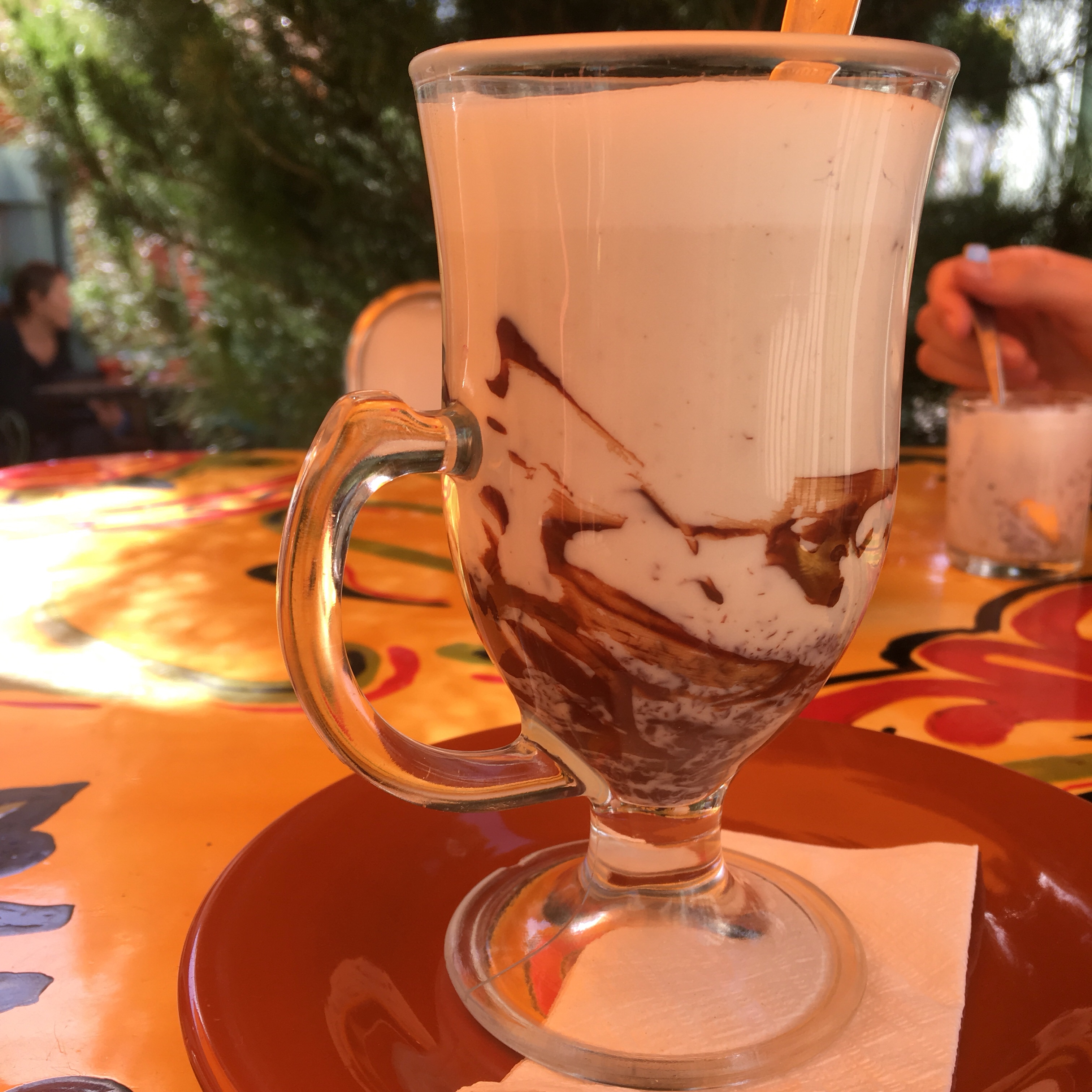
Also in San Miguel there are tonnes of restaurants worth trying and lots of coffee shops serving amazing things. Especially the chocolate bar I got to melt in hot milk. I’m still not sure how I’m losing weight here.

Any trip to La Paz is not complete without visiting Copacabana. Looking like a cheap chicken shop it’s Bolivia’s answer to KFC and quite frankly the cornel should hang his head in shame because it kicks it’s ass! Especially the special sauce. Give it a go, there are several at teleférico stations.

Lastly we did have one night out a Tapas bar in Sopocachi called Hallwrights. Here I had the best cheese and jam I’ve had in South America so if you are looking for a cheese fix I’d recommend.

Extended Red Cap Tour and Cholita Wrestling

I had been interested in taking the extended La Paz Red Cap tour since I took the “free tour” on my first day. It shows you more of La Paz and on Tuesdays, Thursdays and Sundays can be combined with Cholita wrestling. For me the verdict was out on this but I felt that my time in La Paz would be incomplete without it.

I asked for my last Thursday off which coincided as being the day after England lost the semi finals. Luckily for myself and Pippa we had Darik and Michelle from the US console us with pizza and mucho cerveza back at the house. It was after Michelle mistakenly celebrated Croatia’s first goal but it was by far the best moment of the match, the celebration not the goal, especially the look on her face as she realised no one else in our table was celebrating that one has to forgive.

The next morning was a little tough to say the least and Pippa went on the morning tour and I met up with her for the second tour afterwards. I spent the morning doing admin and feeling sorry for myself and trying to remember how many songs I killed singing at full volume the night before.

Anyways we arrived at 2pm and the first task was to get to the cemetery. The guide was excited that we were going to take one of the local minibuses, Pippa and I were now old pros at these, #escuna (it actually makes me really sad that the joke will never be funny again), so we offered to go with half the group and the guide with the other.

After a lot of being stuck in traffic we arrived at the cemetery, and sat through a sky trying to rain, as the guide told us interesting stories. I won’t ruin it for you, only with photos, so do the tour! Actually as an aside it’s dry season in Bolivia and not supposed to rain. Like everywhere else I’ve visited this is an unprecedented year. Global warming anyone? So here are some shots of the cemetery in La Paz.

One new interesting feature is the graffiti. Every large urban area I’ve visited in South America seems to have grafitis and La Paz is no exception. Again there is beautiful art work. All of this is commissioned and fairly new and each piece represents various aspects of death.

We walked through the cemetery and afterward hit the red line of the teleférico. I’m not so experienced at this but I’ve been up to El Alto several times. Although this time Pippa pointed out the car that had fallen down the mountain and became stuck in a crevice. No one one what happened and the bodies are still inside…so I am told by Pippa.

We visited a viewpoint and then marched through the El Alto market, which claims to be the biggest flea market in the world and looking at the size of it I can’t disagree. Earlier in the month I managed to find a wire there that I couldn’t in Santiago and you are supposed to be able to find anything. As a group we were marched through. I’m not sure if this was because there was so much traffic on the way to the cemetery as the websites says the guides will help you buy hinge or if this is the normal pace.

After passing through the main market we arrived at the witches market. There is a witches market down in the centre of La Paz but this is only for tourists. We had arrived at the real one that locals use. Again we were marched through a small section. I would have taken photos of llama foetuses but I didn’t realise we would get so little time here.

The next stop was visiting the witch doctors to tell our fortunes. We walked down a fairly desolate street and sadly the usual person was busy. The guide asked if anyone wanted to know their fortune and I kept shouting yes while the rest of the group kept quiet. It was fricking freezing but I wasn’t letting this put me off. Besides I got to sit in be warm whilst my fortune was told. There was several languages involved but I’ve been told that I’ll be fine on my journey (so now no need to worry about dark ally’s and health and safely) I’ll find a job when I get back to London (so I’m not going to both applying for anything) and I already know the person I’m going to marry. If anyone is still single I suggest you get hitched ASAP!

After me another lady went in so Pippa and I, armed with my new knowledge, decided to test it out. Pippa wanted a pic with one of the guys so we decided to ask a guy across the road. He invited us out back and I followed Pippa into his room to take the picture. I think this is the first time I’ve ever seen true poverty upclose, assuming that he lived here, as there was nothing in that room other than a bed really. It did have some amazing views of the city and Pippa got her picture at the cost of 20bs but not really in the fashion that she wanted. We were interrupted by the guide who looked really concerned. I mean what could really go wrong by entering a strangers house, in a strange city where we don’t speak the language…

On the way back though the market we noticed these highly prized Lonkin Park hoodies. Regretting not buying one!

Again we jumped on the teleférico and headed over the market to the Cholita wrestling. From this point on I really wish I could explain what happened but I just can’t…

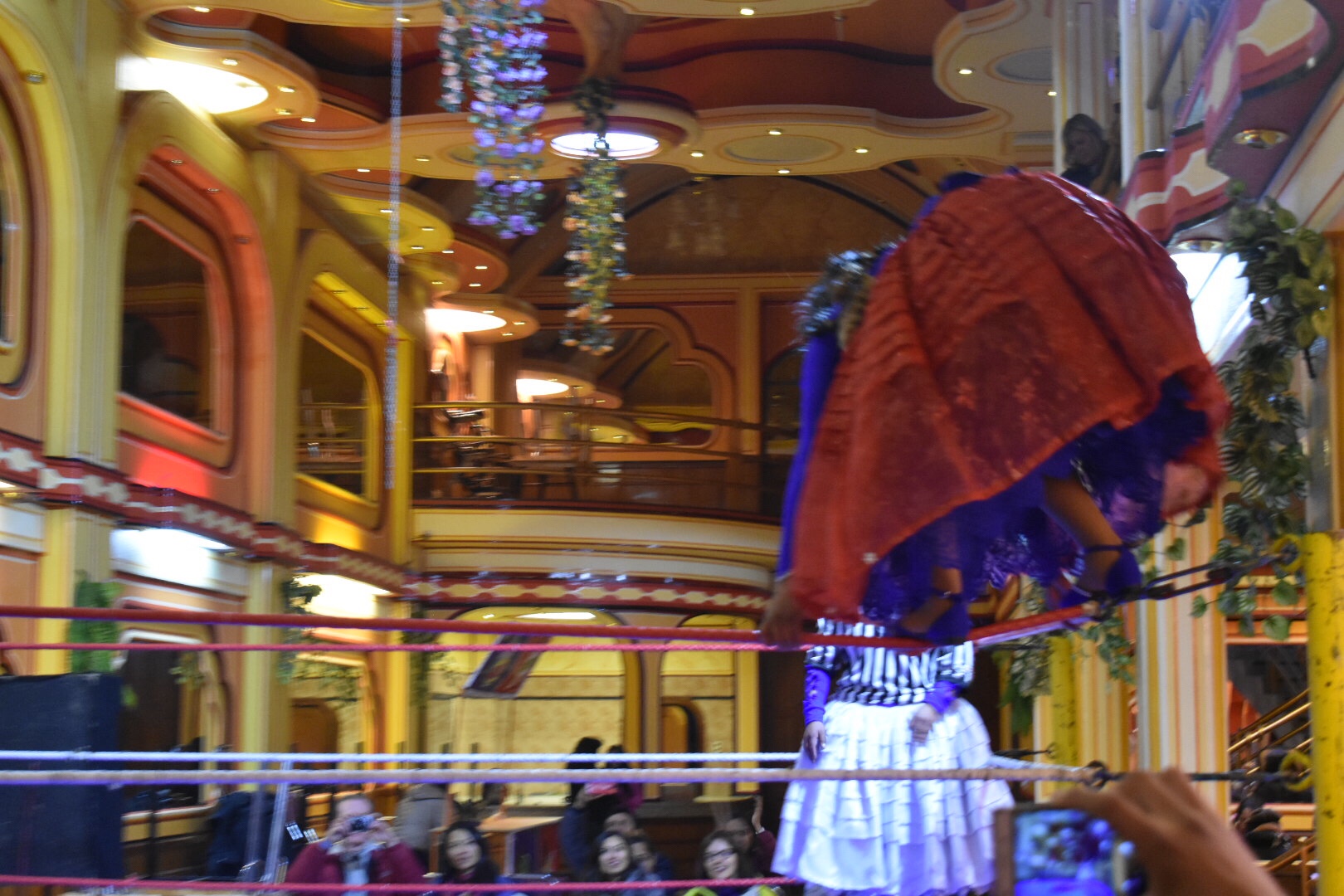
Okay I can. So cholita wrestling is a thing. It’s even officially recognised by the WWE or whoever controls wresting. This is one thing that I really can’t be arsed to Google. It’s not worth the effort. But this is the real deal. And if you don’t know what cholitas are then read this BBC article (I’ll link when I can).

Anyways it involves ladies wrestling, mostly each other but the red gets involved. I’ve never seen wrestling, so this is another first for me, but it looked like carefully choreographed dance moves. Think Strictly but after s life the partner is purposely slammed Intl the flour snd you have it. We arrived during the first match and below is essentially what happened.

The second match:

And the third which was two ladies vs s dude. He was great at acting as the bad guy and they rightly kicked his ass!

And all smiles at the end when everyone came out to meet the fans. Pippa even got a lift from a very oily man.

Afterwards we were all put on a bus back to Plaza San Francisco. It’s probably if you do this as El Alto is not supposed to be very safe at night. Anyways enjoy La Paz. It’s brilliant!

Tren Turístico from El Alto to Tiahuanaco (Tiwanaku) and Guaqui (Lake Titicaca)

A friend who lives in La Paz said that there was a train, which ran once a month, I could take to visit the Tiwanaku ruins which are around 70km outside La Paz. I was keen to visit as the site predates the Incas and the civilisation came into prominence around 600BC. If you can’t take the train then the ruins are easily done in a day trip with busses leaving the El Alto bus station, I know people who did this and it’s a good budget option, or alternatively you can take a tour. Getting the bus is much cheaper, the entrance fee to the ruins is 100bs and you can hire a guide for 130bs. I paid 80bs for the train but I was happy to do so as I’ve not been on a train yet in South America and those of you who know me will know that my favourite foe, of transport is travelling by train. I also liked the idea of the extra stop at Lake Titicaca which is a place where western tourists don’t tend to go. If you are interested in this trip you can find out more here.

The train was due to leave El Alto at 8am, there is no station as there is no regular train service to La Paz, more the train just pulls up in the middle of the street. I awoke at 6am to get in my taxi for 6:30 and arrived at 7:30. I was a little hesitant to get out of the taxi but there were people milling around and food stalls. The taxi driver asked if this was the place and some of the people waiting comforted it was so I paid and waited for the train.As I said there is no station so just look for the people. You will find it hard to miss the train when it arrives. It wasn’t there when I arrived.

So I waited on the street and 8am arrived and went, more people were arriving and things can sometimes run a little late in Bolivia. Then 8:30 came, and 9am. I started to become a little anxious and found some Germans who had the same tickets as me. I couldn’t see anyone official around to ask, there were people but they were fairly discreet and I did find this throughout the day. It was difficult to find people to ask where to go and what time to be back for the train. The Germans told me that there was a reported problem with the train but it was on its way. I was also told that this wasn’t usual and it’s normally ontime-hopefully if you do take the train this won’t happen to you.i can’t really complain as I’ve had good luck with my transport so far.

The train finally arrived around 9:30am and it was huge. We boarded and it took around half an hour to get everybody on, so the train left around 10am. I was annoyed that I had had to awaken so early and to pay for an expensive taxi only to wait around in the cold for two hours but we were now moving and I wanted to make the most of the experience.

Above are shots from the train window as we left El Alto. I really love the mountains in the background especially how they look when you see them next to industry. I’ve said it before but everything is better with mountains.

One thing that I didn’t capture is all of the people who stopped what they were doing to watch, photograph, film the train passing. Boys who were playing football, bus passengers, car drivers, passers by all got out and waved and smiled. Train is the best form of transport and rare to find in Bolivia. This only runs once a month so it was fun to wave at everyone out the window and see their smiles.

We left the city behind and passed through another town where we stopped to pick up more passengers before heading into the open countryside.

So I expect the question you are all asking is what is the model of the train and what did it look like. Well the first question I can’t help with but the second question look no further!

It took around three hours to get to Tiwanaku, which is much longer than the bus, as the train is not the high speed kind we are used to in Europe. The only problem is that we arrived around 1pm which was much later than scheduled. If everything runs on time you only have around 90mins to view the site which is tight but doable but our time was cut short.

The first thing I had to do was to buy a ticket, at the cost of 100bs, it’s 15bs for locals and there is a theme in South America where they charge tourists much more which is starting to annoy me. I wish they were just discrete about it and local people also have said, unprompted, that it’s not fair. But let’s not get into an argument about prices as this is an observation more than a complaint. The ticket took about 20mins to buy and there were four sites I could visit. Two of these were museums so I ignore this and went to the biggest ruins. I didn’t have a guide so I didn’t have to opportunity to learn much but the site is fascinating. I’m going to read up so I’ll add in more once I learn what each thing is. I may even caption some of the photos one day.

One of the striking things about the site is the statues. There is a wall of faces in one of the temples and big statues in the biggest ruins of the temple.

I tried to take my time as much as possible as I wanted to reach the second site but as I reached the exit and brought a bottle of water the train started looking like it was ready to leave and not wanting to be left behind I climbed aboard.

The train continued its journey through the spectacular landscape for another hour until we reached Lake Titicaca. We went to a part that is popular with Bolivians but is not offers visited by tourists. In all honestly there is no tonnes to do here. There were some restaurant buildings and a museum that were closed but there were plenty of stalls selling food that if you’ve been anywhere in Bolivia then you will be used to them.

The highlight is a boat ride on the lake and lots of people were jumping on boats. I was quoted 40bs for a ride and hesitated taking another look around. I returned to the boats and this time was ushered on without paying. Afterwards I took out 40bs I order to pay and I was told by a fellow passenger that is should be 5bs. I gave the woman 20bs and got 10bs back. I considered that a win. But below are the photos I took fro,he boat and it’s worth doing as the scenery is stunning.

Back at the port I had a little time to kill and took advantage of the scene art to shoot some more photos.

The train departed around 5pm and took four hours to return to El Alto. The train dropped us in the same place that we started and El Alto is not the kind of place where you want to be after dark. There were no taxis or minibuses there to meet us so I headed quickly to the biggest road and within seconds flagged a taxi heading to the yellow line. I arrived at 9:15 and annoyingly the line closes at 9pm on a Sunday. There wasn’t really anything for it but to take another expensive taxi back to Jupapina. All in all it was a very long but fun day, although I’d think twice about getting the train if you are not really into train journeys.

Cholita Paceña Mallasa 2018

I was heading into zona Sur to get some life admin done when the minibus I was on took a weird route. I looked up and noticed that a huge stage was being erected in the middle of the street in Mallasa. After messaging around I was told that today was the Cholita Paceña Mallasa 2018. Cholitas are famous in Bolivia for their big dresses and hats and are prominent throughout the city. If you want to know more the BBC can tell you much better than I could ever. But this seems more than just a beauty contest and representatives from all over the region, including Jupapina, where taking part.

Pippa my flat mate from the Greenhouse, the Belgium couple and Sharon and her 10 year old son John form the US jumped on one of the last busses of the evening and headed up to Mallasa. I thought it was going to be heaving and although the whole street was blocked off there was plenty of space.

Kids were running up and down the street, playing football, riding bikes, scooters, tag etc. This was one of my favourite things as whatever you go in the world children are more interested in playing than watching the main event.

There was a crowd around the stage who all had balloons and a guy onstage who was singing to a backing track in Spanish. This ended up going on for about 40 minutes and we decided to get some beers from a local shop before we realised that we were the only people drinking. We also realised that when we were whooping everyone else was politely clapping and waving their balloons. A nice man gave us some balloons to blow up but maybe that was to stop is whooping.

We spotted some young men and women in official dress and they headed to the stage. After the man finally stopped singing some minor Bolivian celebrities, a locals words not mine, we were treated to some traditional Bolivian dancing.

After the dancing finished the contest began and each contestant was introduced and partook in some traditional dancing.

This year we were told there were a lot of contestants.

I wasn’t really sure what to expect but more and more contestants came onto the stage.

It was at this point that I realised how the “take multiple pictures” function worked on my camera. I accidentally ended up takin around 300 photos so you can feel lucky that I deleted the majority of them.

After all the Cholitas had made it on stage and given their initial dance they were interviewed and asked challenging questions. Obviously this was all in Spanish and my knowledge was limited as to what was going on.

Our attention turned away from the Cholitas and more towards the food which was being cooked with a lot of fire. After being told the food was safe we decided to give cow heart a try. It’s a delicacy in these parts and although al little tough was really tasty. The spicy sauce that accompanied the dish was especially delicious.

As the temperature dropped and the lack of understanding continued we decided to call it a night but I was very happy to have Ben able to experience this local event. It was at this point I started to realise that staying in one place enables you to get to know it much better and you have a very different experience.

Food

And street sign

Pico Austria, La Paz

I had been sent photos of the Pico Austria hike and after reading about it in the guide book I decided it was something that I needed to do. Again without really knowing anything and being a solo traveller I decided to book a guide. This is because the trail is 45km outside of La Paz and whist it is possible to take a taxi, I saw others doing the same, really you need a group to make it worthwhile.

I asked around for advice on travel agents and took a list from the guidebooks and headed into town on the Wednesday before the weekend I wanted to do the trek. The first one didn’t exist, the second one didn’t either but I found Inca Land Tours who were the closest agency to the address where the second travel agents were located. I went in and they said they they had a tour going on Sunday. I tried a couple of others for good measure and they were either more expensive/not running or a combination of the both. One agency gave me the number of another traveller and said we should work it out between ourselves. I messaged Inca the next day, they told me two other people were going and so I confirmed.

I had to be at their office for 7am. They normally pick up but I was staying in Jupapina which is to the south of the city. It meant I needed to be ready and in a taxi by 6:15. That all went smoothly and I arrived outside of their office before 7am. After waiting for 15minutes Simone arrived to let me in. I paid the 400bs and soon a driver and a guide arrived and I was put in the back of a minibus. We drove off and ten minutes later picked up my travel companion, a French lady, and we were off. She had booked the day before and was also told there were two other people going. I don’t know who these mysterious travellers were but they never showed.

It took just under an hour to leave La Paz and soon after we arrived at a dirt track which we would follow for the second hour of the journey to the drop off point at 4400 metres. We got our, put on sun cream and all the other necesites and I quickly realised that I had overdressed and packed as it was not as cold as I thought and being dry season there was not a cloud in sight.

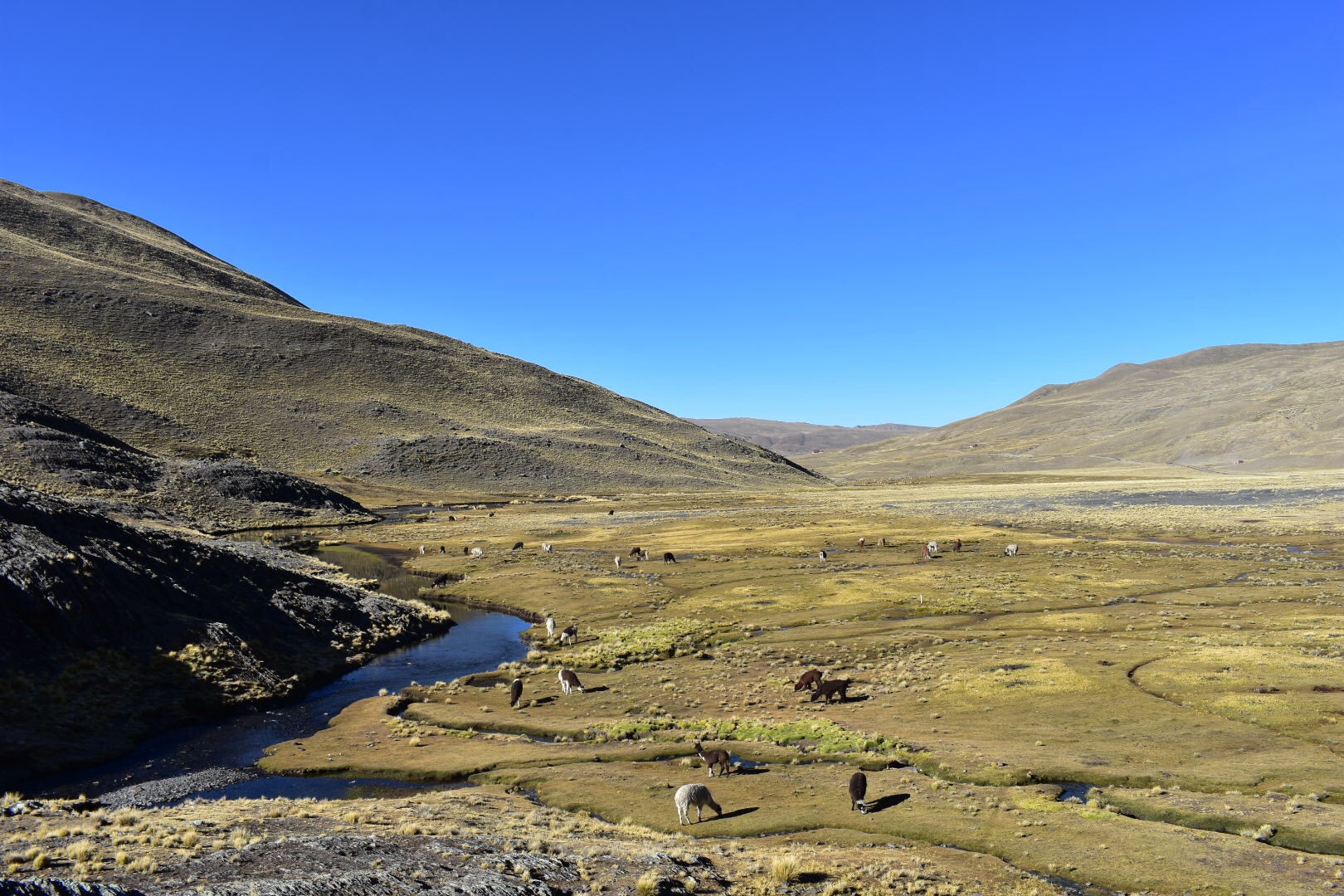
We started off in some llama fields and I quickly took some photos. I did end up lagging behind most of the way up as I stopped to take photos. There wasn’t much opportunity other than the viewpoints but I suppose we needed to get up and get back before dark. And if I’m honest I’m glad we weren’t driving back in the dark.

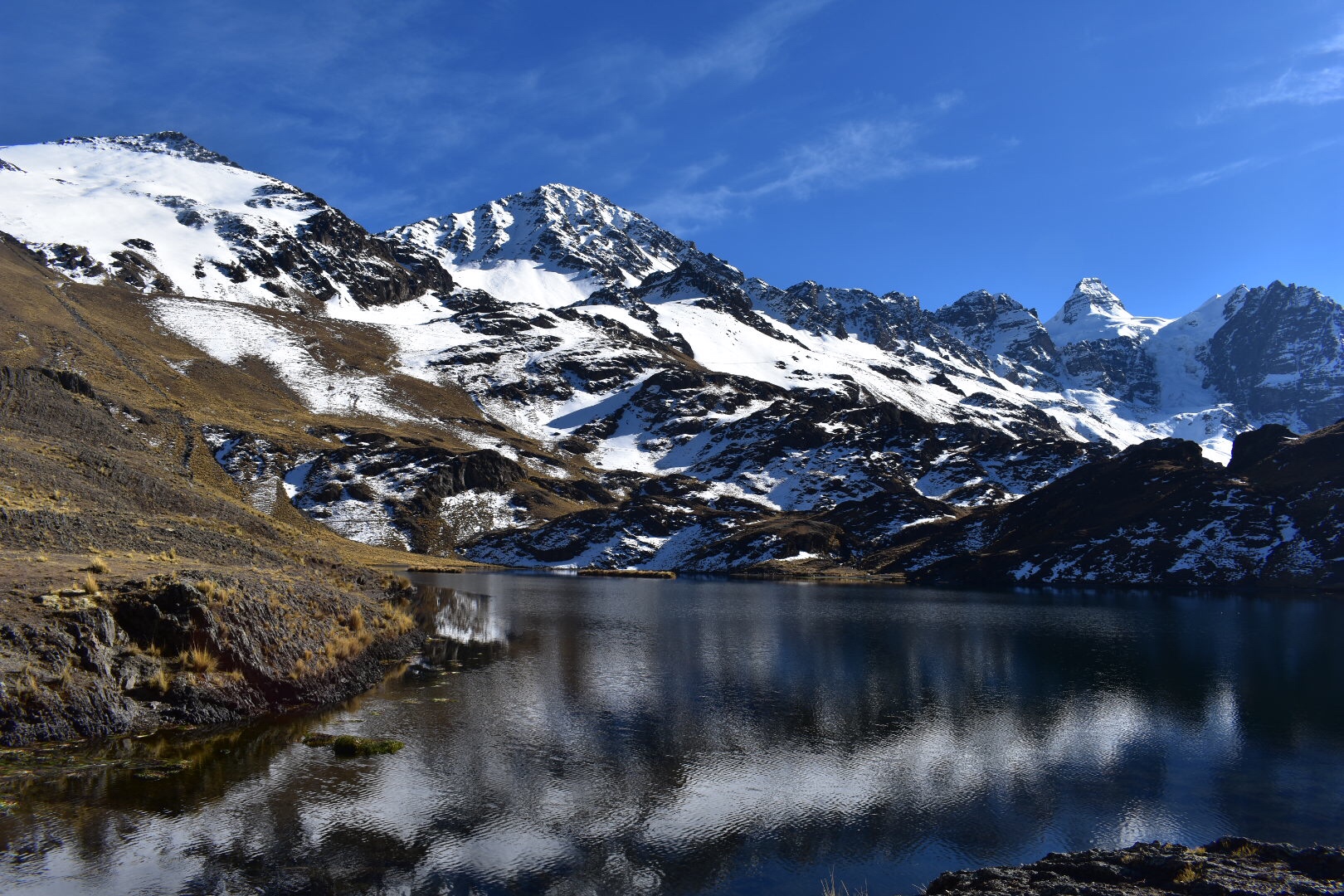
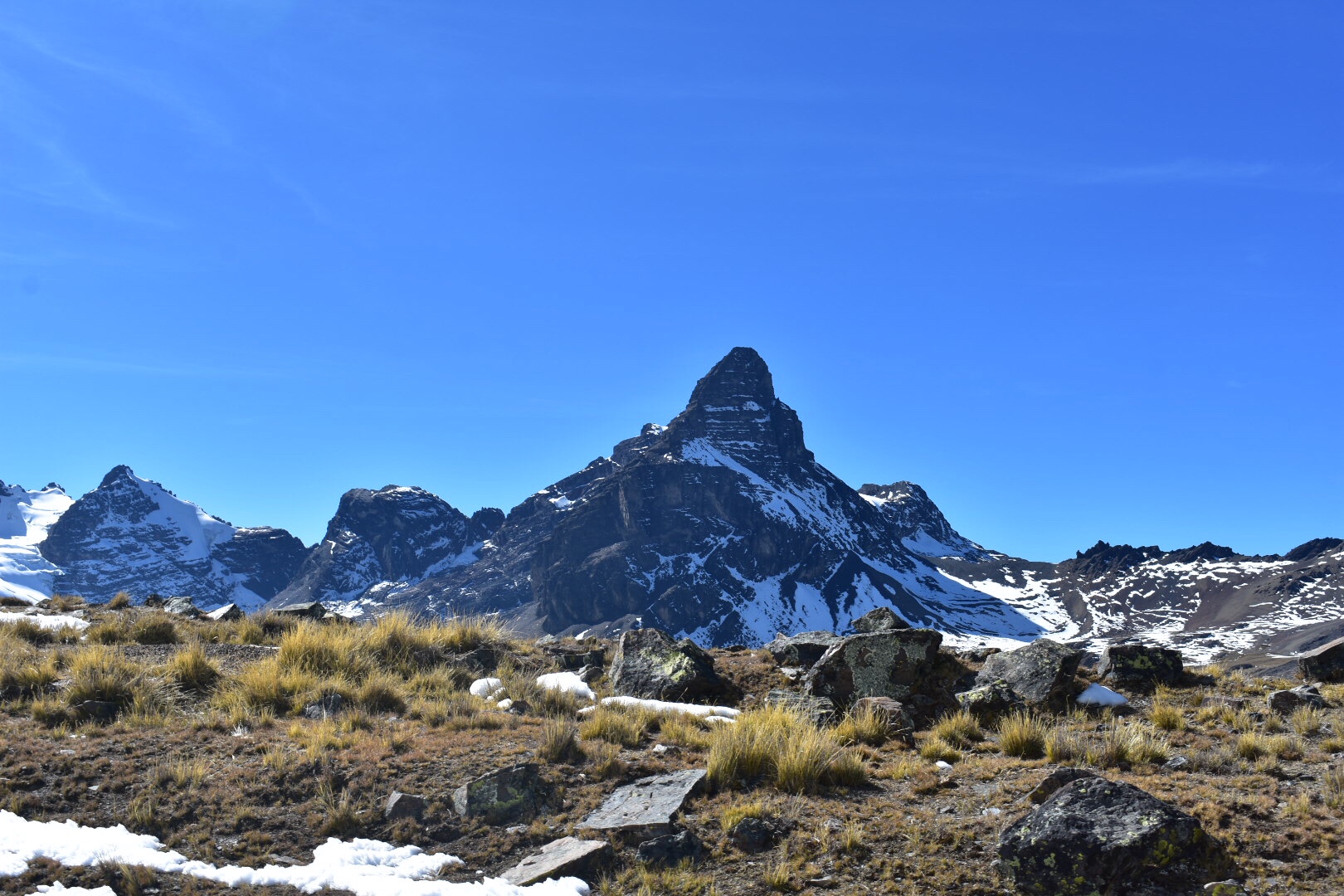
As we rounded the first big corner I got my first proper site of the mountain range.

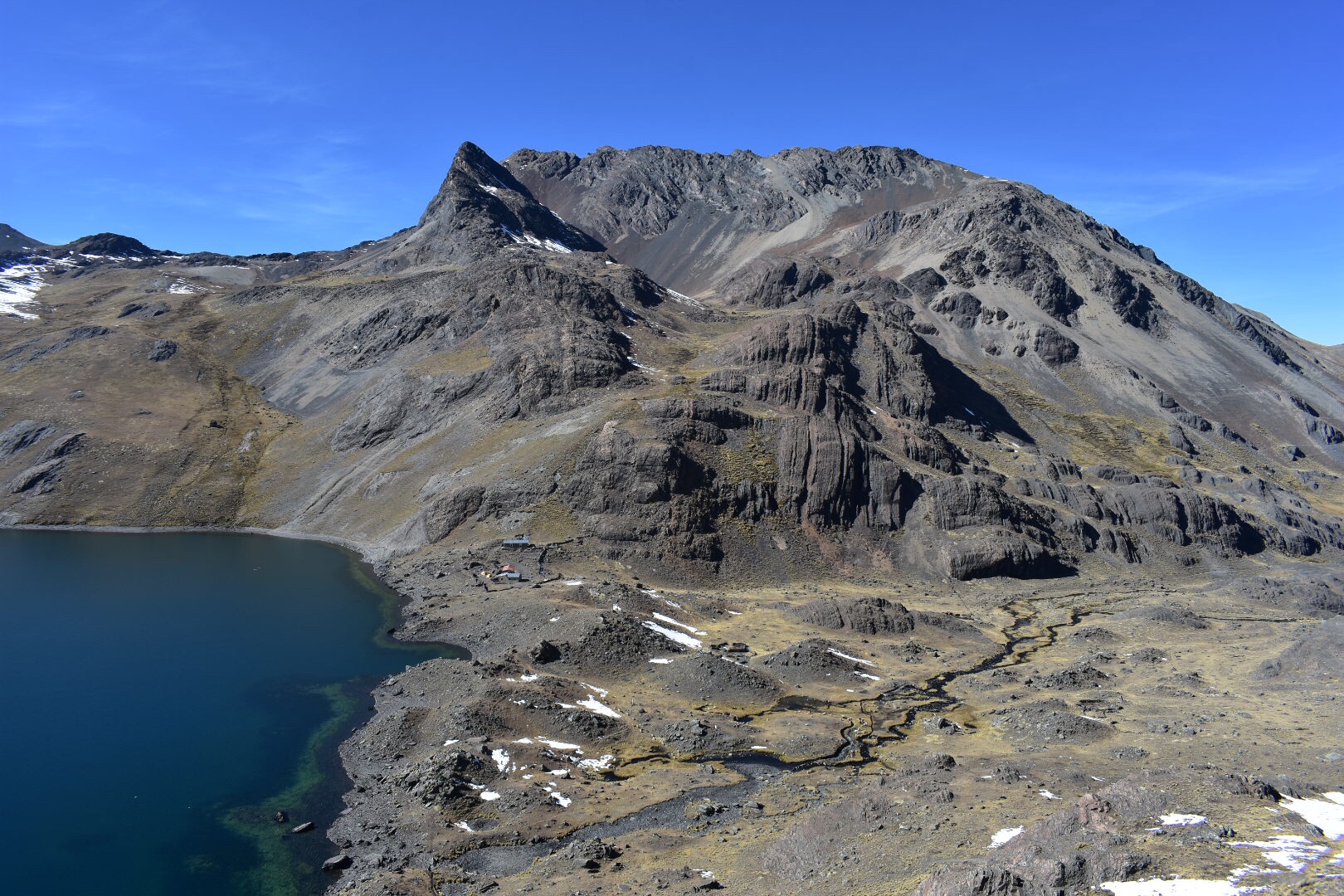
It wasn’t long before we reached the first lake, Laguna Khauan Khota, and we stopped to snap a few photos before moving swiftly on. Here we saw a couple of other hikers who didn’t take a tour guide. I would argue that you don’t need a guide for this trek but whatever you do done go alone. Again all the trails are clearly marked on Maps.me. We saw somewhere between 20-30 people on the trial all day. Most were on tours and while the path is relatively easy to follow there are some scary parts, well for me, as you will see below. I think I a group you will be fine as the guide didn’t really do anything to stop us from falling. That’s not a criticism as I don’t really see what he could have done although he did try and show us the best path to take. I think you could find your own way easy enough.

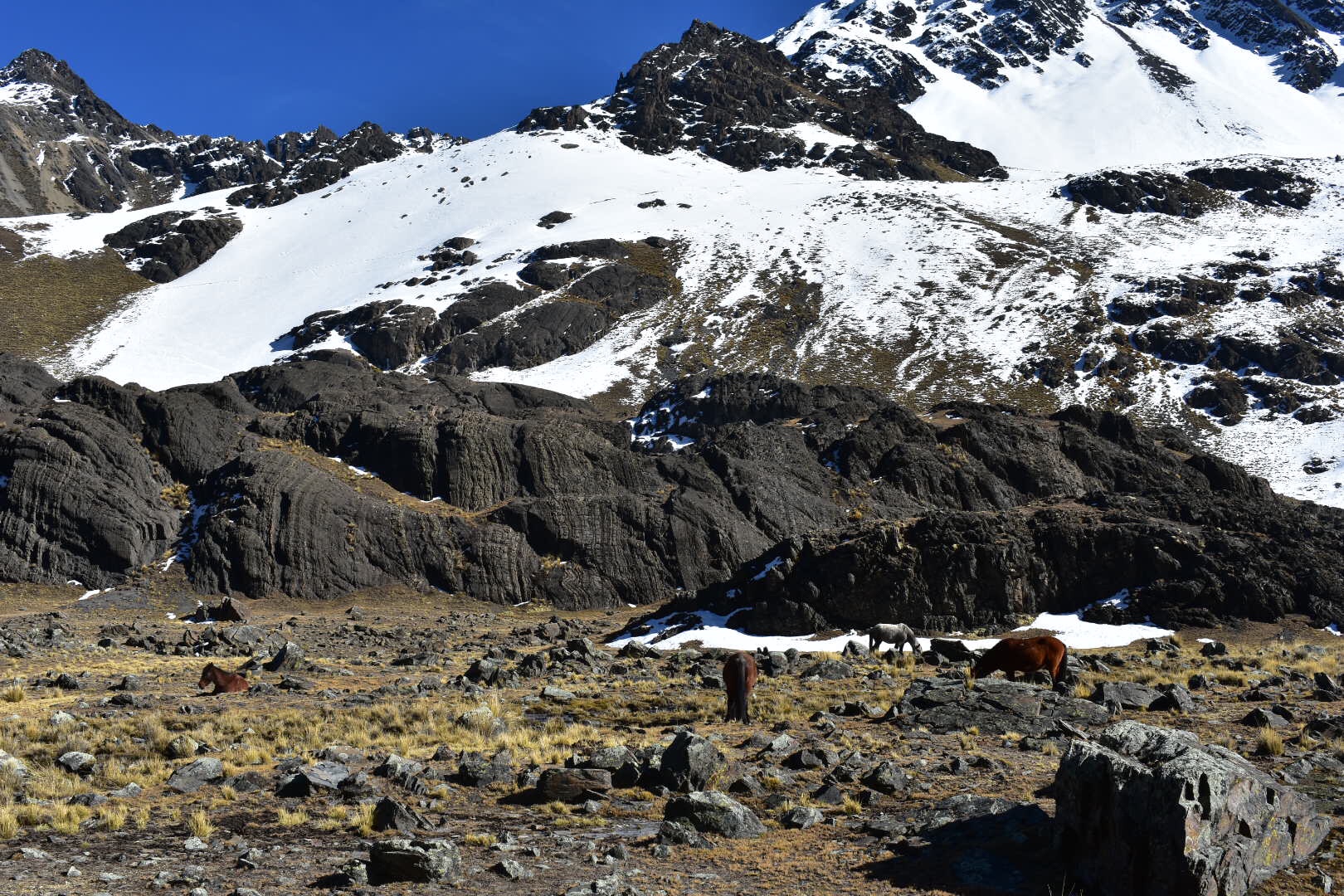
We walked around the first lake and the terrain remained reasonably flat. There were some horses and more llamas, i think you can find a lot of llamas all over this section of the trail and we got closer to the snow covered mountains.

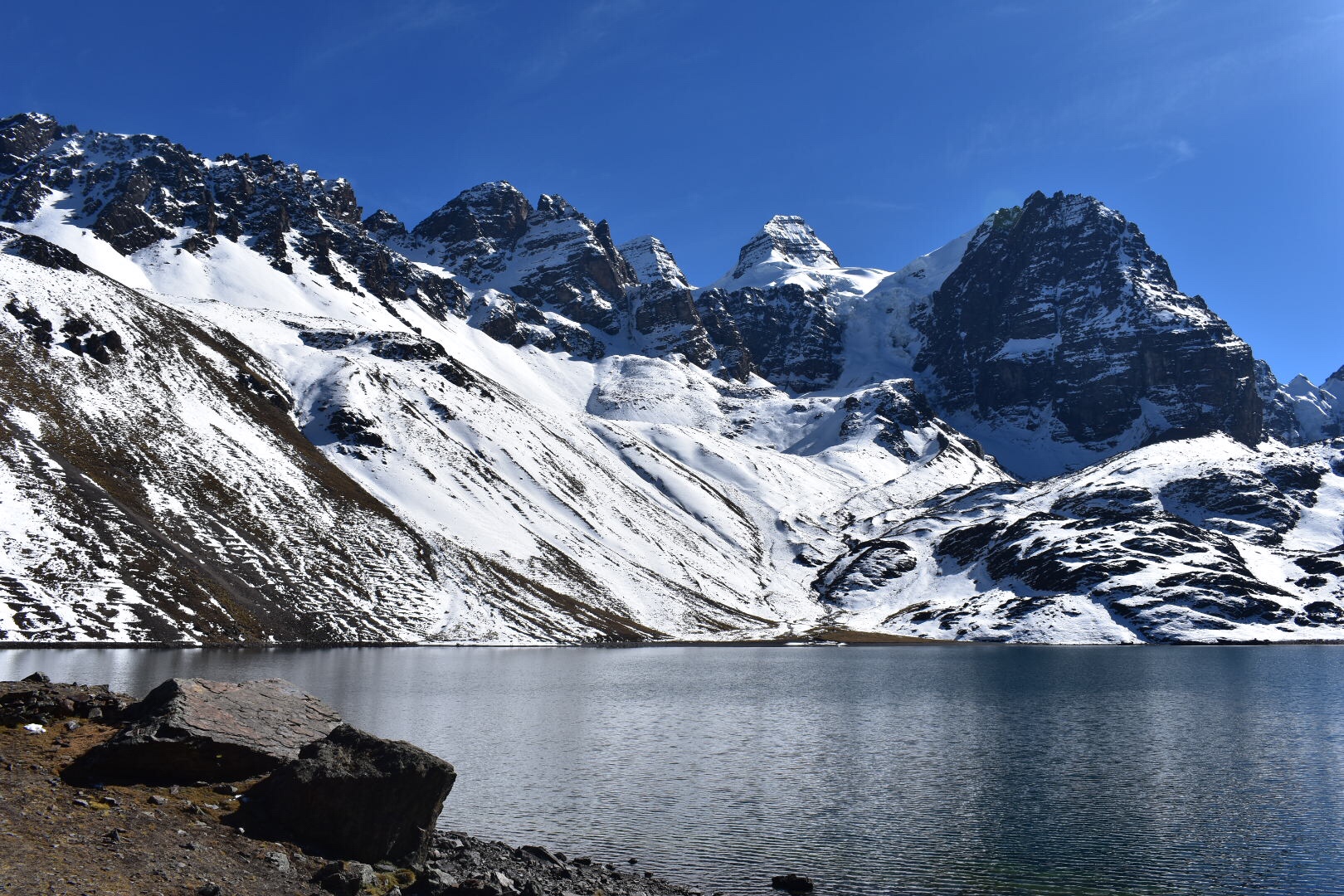
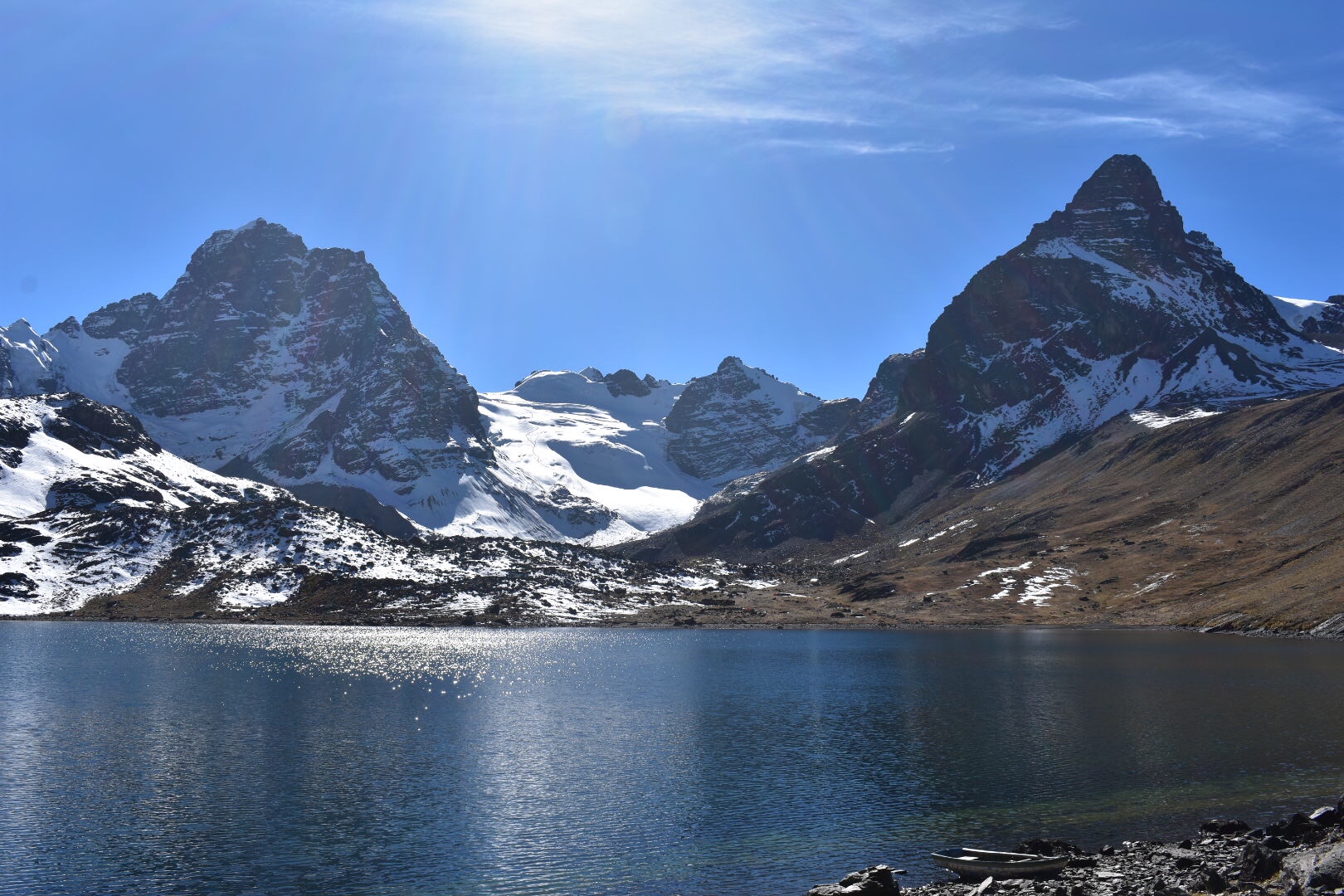
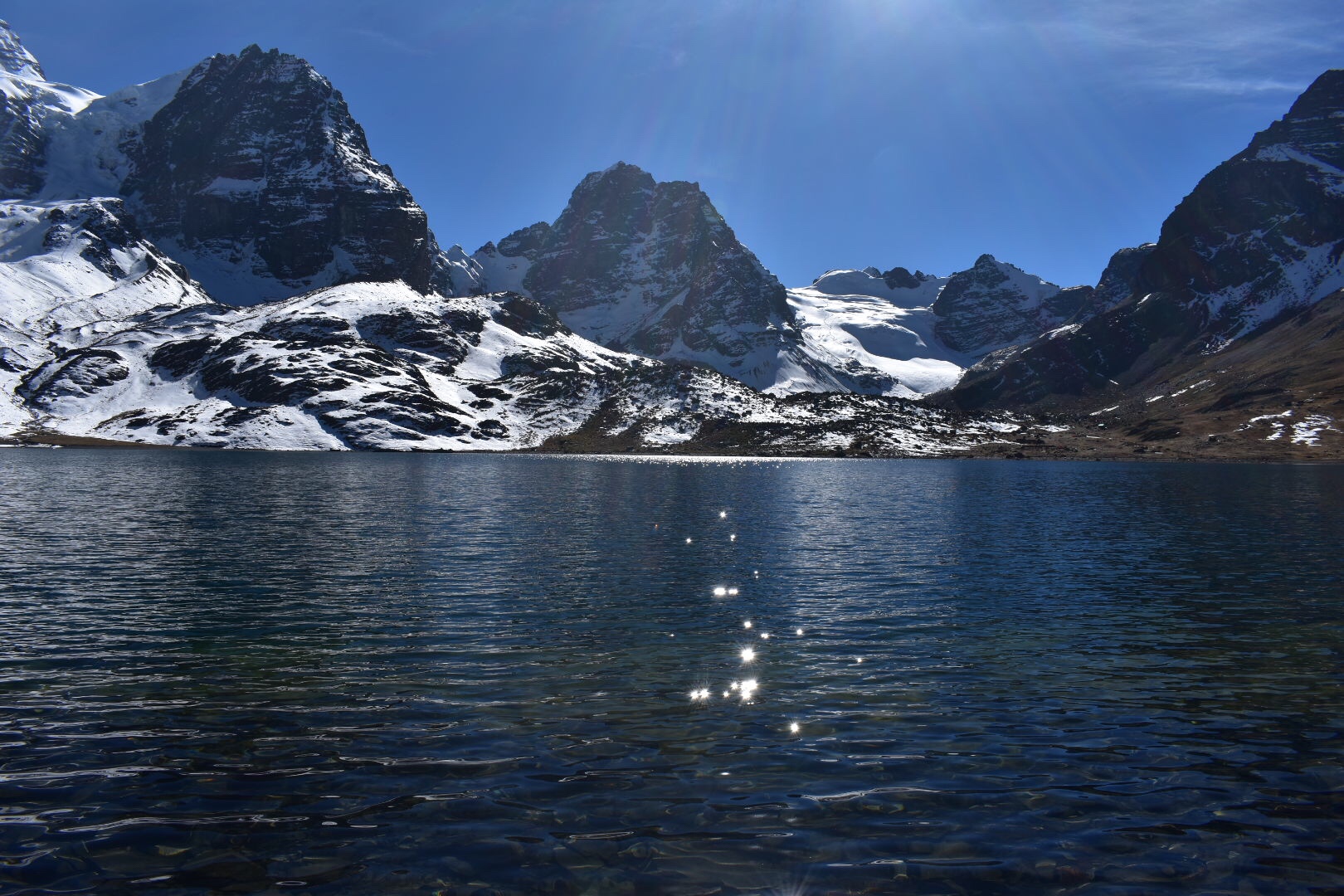
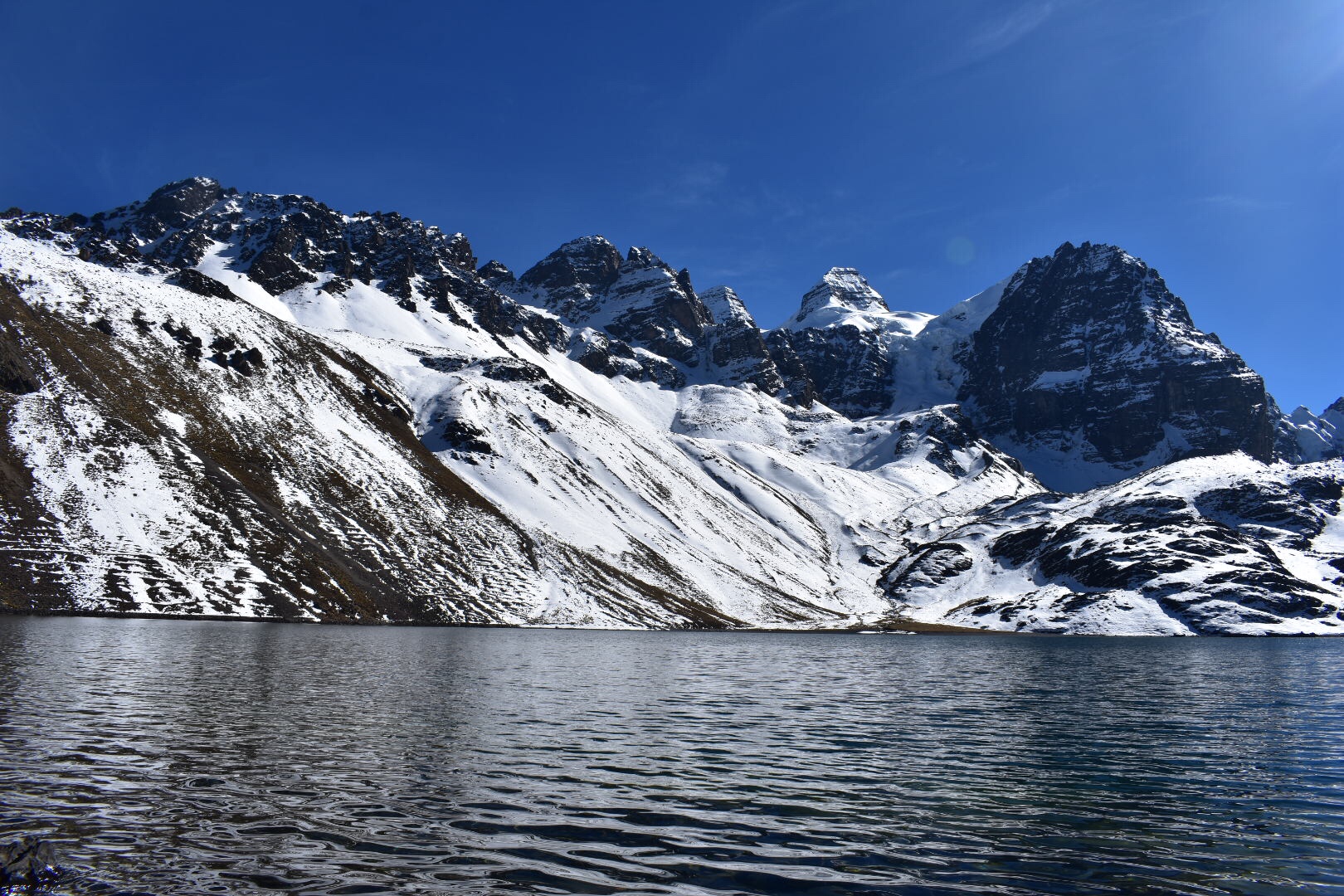
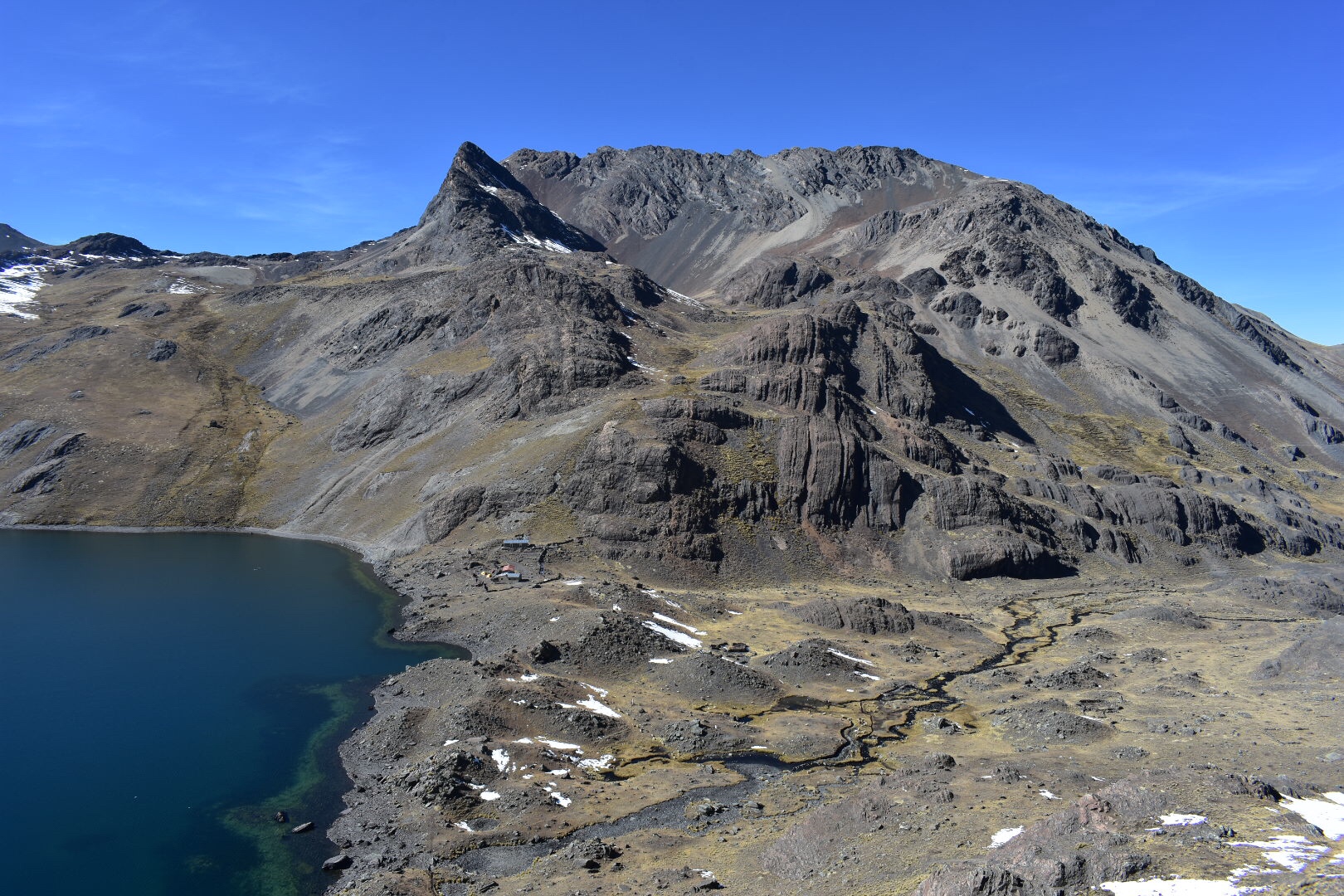
After another kilometre of hiking we arrived at Laguna Chair Khota. There is a Refugio here, I have no idea how you stay there or how much it costs but there were tents around and we saw people relaxing. The photos don’t really do this Laguna justice as it’s truly beautiful and I expect the sun rise/sun set here is something special! I also expect it’s freezing at night and once dark there is nothing to do. We did meet some people that did multi day treks in the area so this is something you could definitely explore if you wish.

We followed the path around the lake to the left and very quickly it’s starts ascending up very steeply. From this point the path doesn’t really let up until you get to the pass. We walked slowly and I was out of breath the entire way. I kept stopping for photos, you are welcome, and then I had to play catch-up which left me even more out of breath.

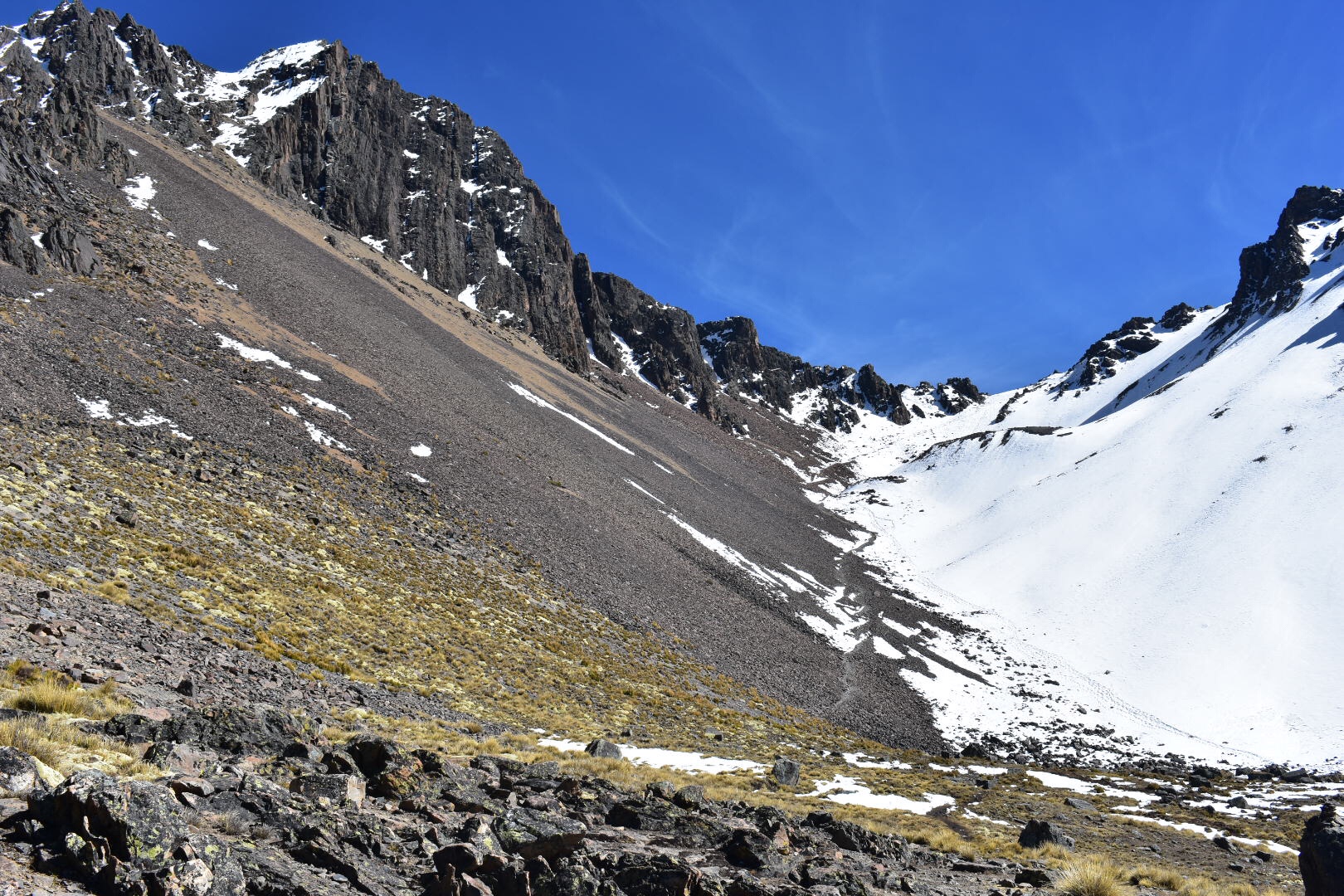
Around a third of the way up we stopped for a short break and had a banana. I snapped some more pics and after this was the first lot of snow. Now I don’t know if crampons would help in this situation but as people do travel this path daily the footprints left by my predecessors were very icy and slippery. The path is maybe 30cm wide and if you did have a bad fall the wrong way you would easily be over the edge. I say this although every trail I’ve walked on has elements of this although this is the first with snow. Actually that’s a lie as Torres del Paine had snow and ice but there was a “safety rope”. Here there was nothing but spectacular views.

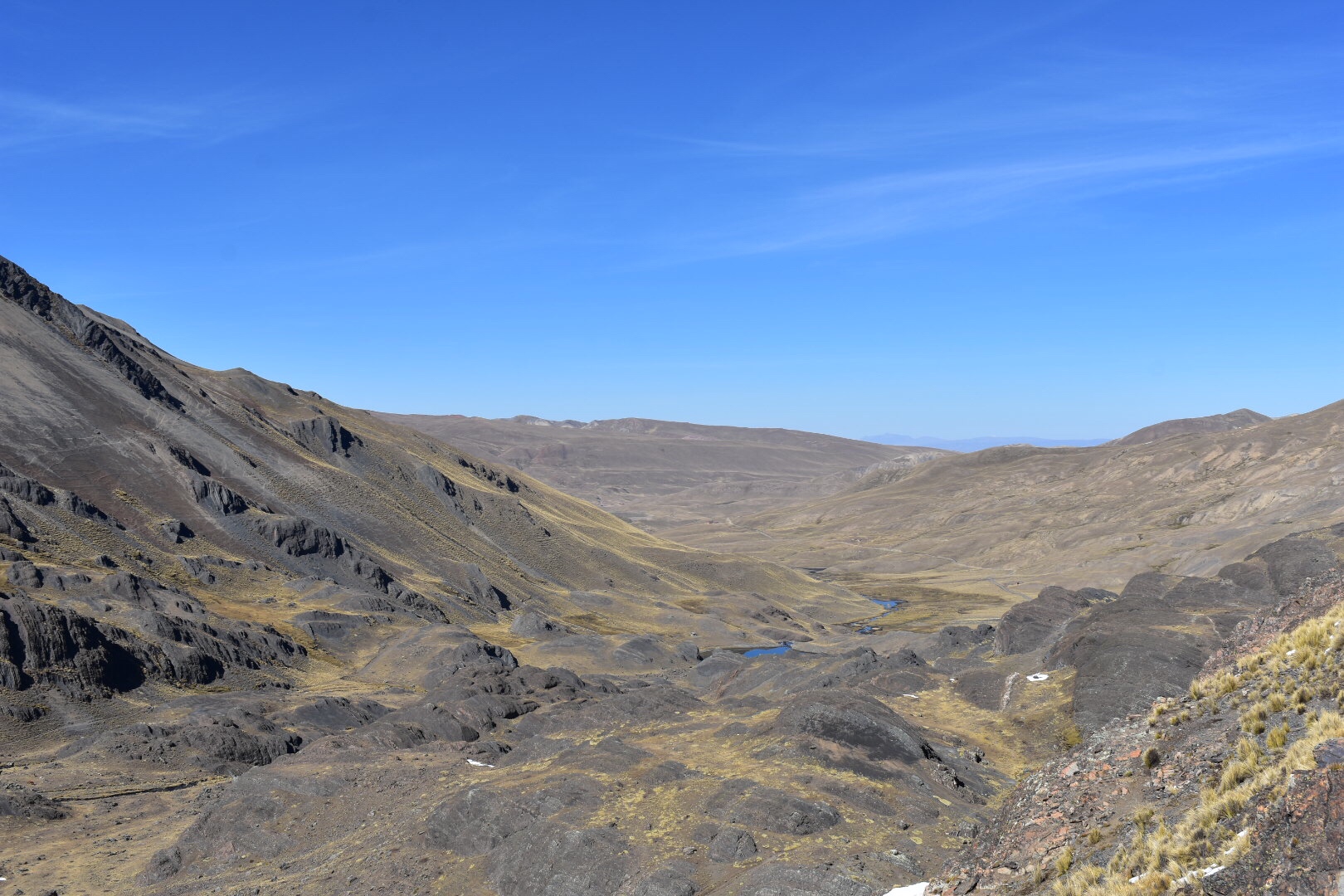
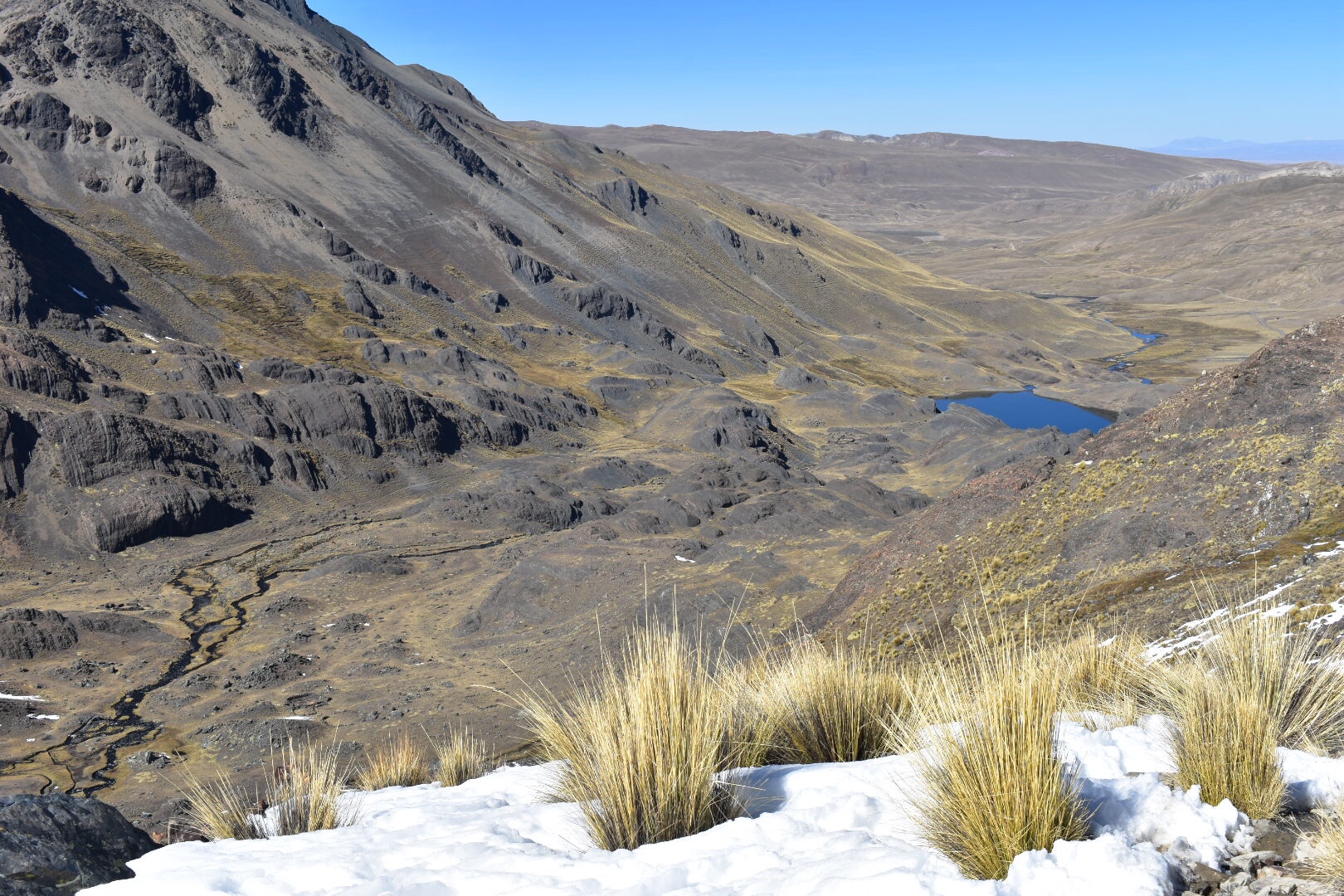
We climbed higher and higher and through another big patch of snow. I just kept taking pictures as everything became more beautiful. Looking down I really couldn’t believe that we had walked from all the way down there. It looked unreal!

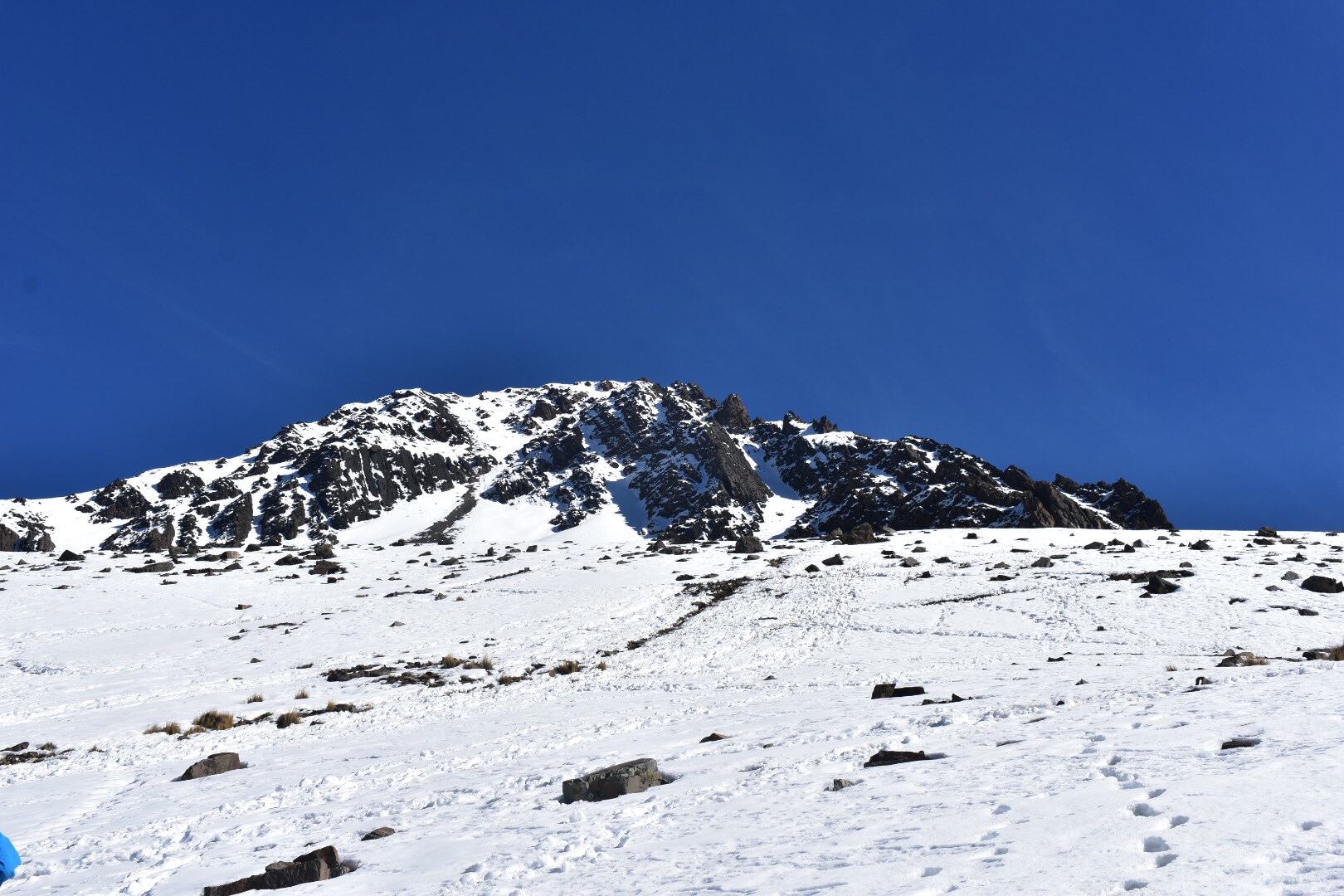
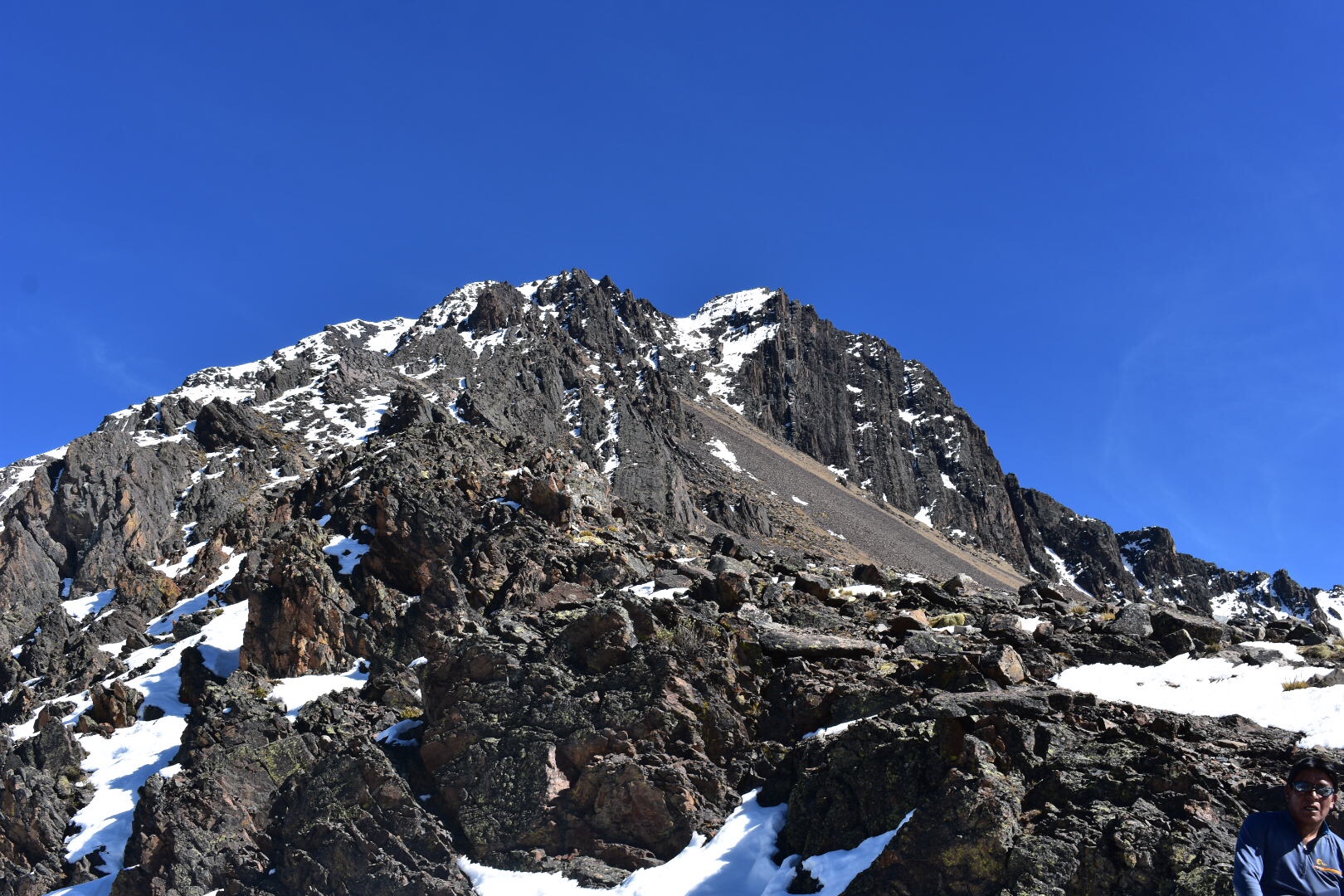
After more up and more levelling off you could begin to see the mountain pass. Look at the footsteps in the snow below. There was a lot more up and by this point we had reached 4900 metres which is higher than Mont Blanc in France. The trail to the pass was largely over small rocks but the last 200 metres or more was all snow. It’s was challenging getting up, I was exhausted and my lungs began to hurt as we pushed past 5000 metres. I was particularly scared on this section of snow. It was really slippery and I felt unbalanced by my camera which was swinging around in front of me but I didn’t dare stop and put it in my bag. Still for the love of pictures, again you are welcome.

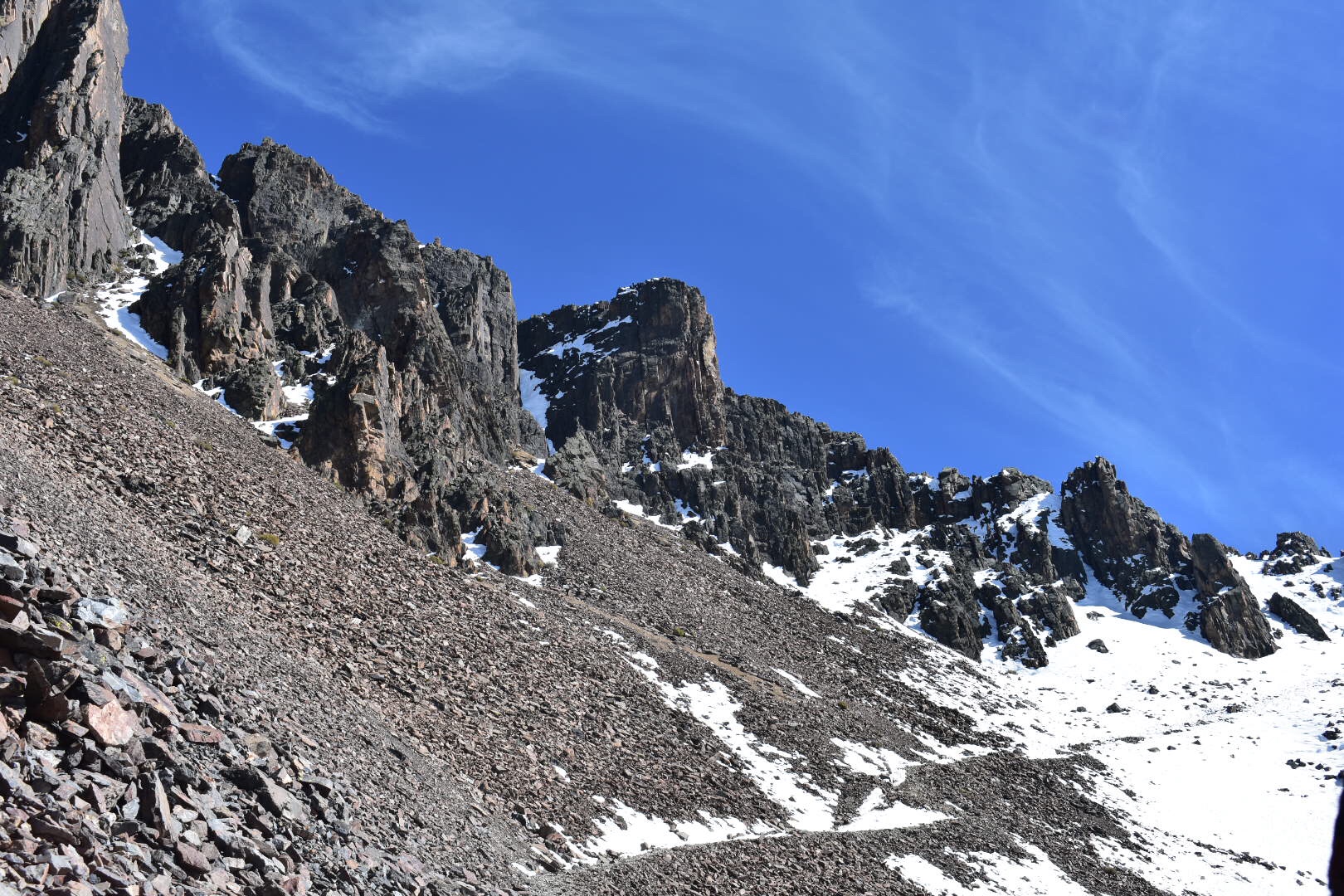
We reached the summit of the pass and took a well earned break. You can see photos of it above and below. In the two photos immediately below you can see that we still had someways to climb before we reached the summit. It was really difficult to walk now and each step was becoming a huge effort. We put our bags down and only took the essentials for the last part of the climb. I’m not sure that I would have made it if we hadn’t.

We stopped for a break near the summit and you can see Lake Titicaca in the background here.

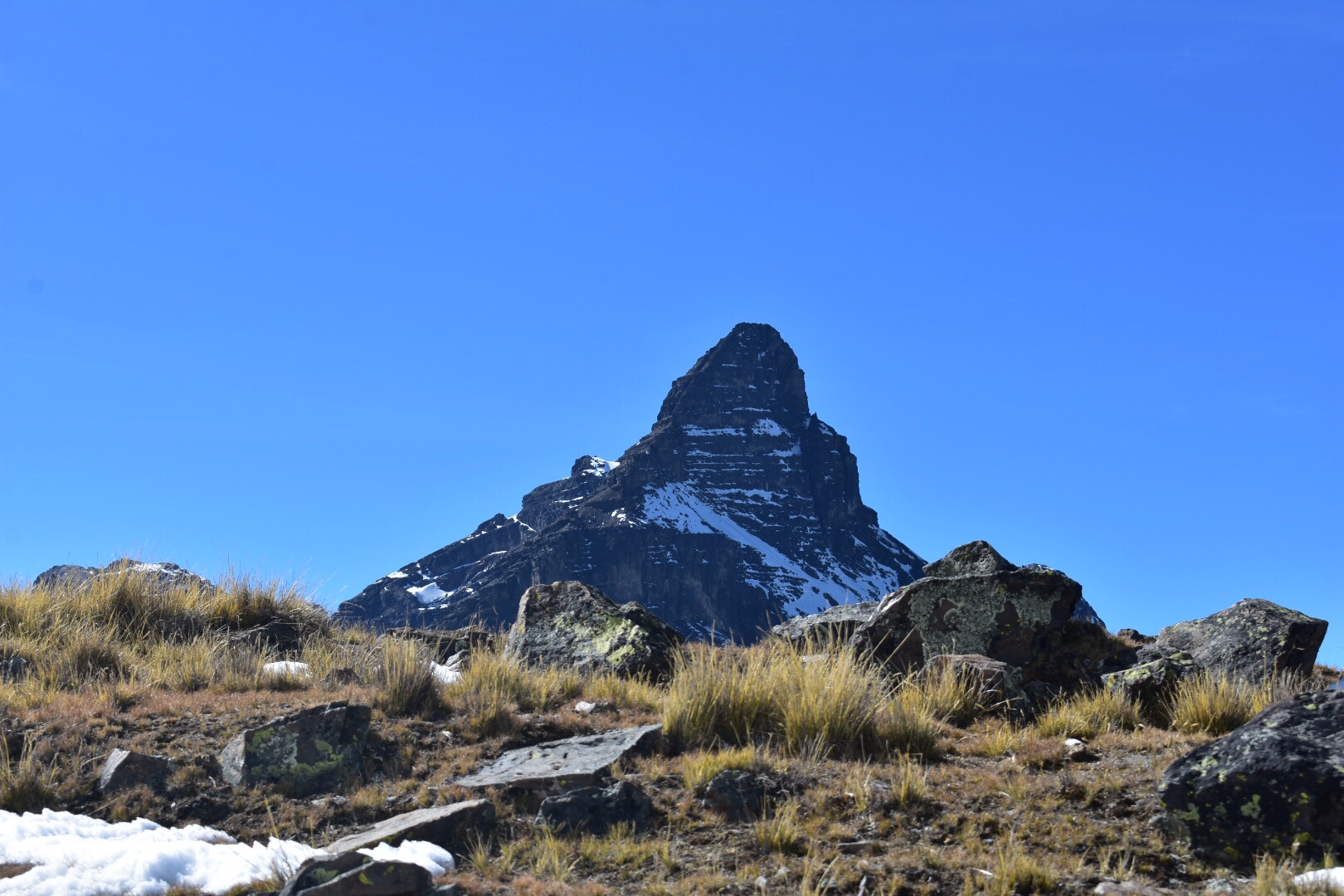
And then after another hour of climbing up from the pass we reached the summit. I’ll let the views speak for themselves but I can see your house from here!

We headed back down to the pass to have lunch and this is where it went wrong for me. A headache hit and after I had eaten I felt as if I was going to be sick. This wasn’t helped by the thought that it was three hours to the bus, then two hours along bumpy potholed roads, which would make any council in England proud, and for me another hour at least back to Jupapina. That coupled with the idea of walking back through the snow but this time going down 45degrees along narrow ledges was not great.

Suffice to say I went slow and took things carefully. We all slipped a few times but nothing out of control but I kept feeling worse and worse thinking I would be sick at any point. Coupled with this i was exhausted by this stage. My bag was too heavy, there was not enough oxygen and I was forcing myself to move. I would have taken more photos as the sun changed the landscape but I felt I couldn’t hold is up anymore and I didn’t want to throw-up in my camera bag.

There was one really fun part as to make it easier to go down we were instructed to walk in the fresh snow which at times came up to my knees. We took giant leaps and it many we could go faster and when I fell it was backwards not down hill so this was safer (I think) than following the path.

We stopped at the bottom by the lake and I thought I’d never be able to move again but after this I started to feel better. We took a different route through the llama fields and eventually made it back to the bus. I colapses on the ground not being able to move for a few minutes and after a quick loo stop, there is not much in the way of facilities, I was on the bus and we were on our way back to La Paz. By the time we got back i was feeling much better but exhausted. However this hike was totally worth all the pain. Do it!

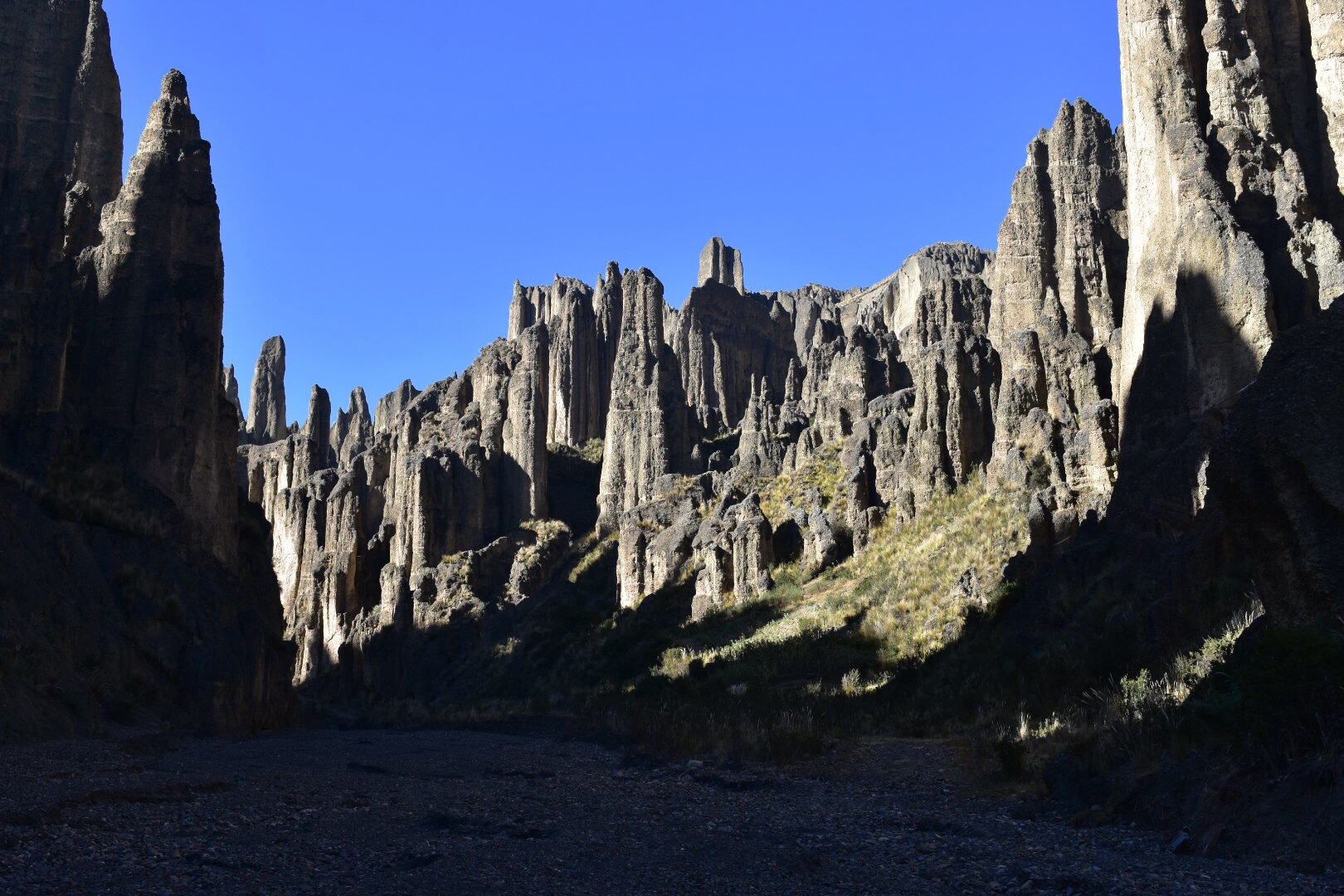
Valle de las Ánimas, La Paz

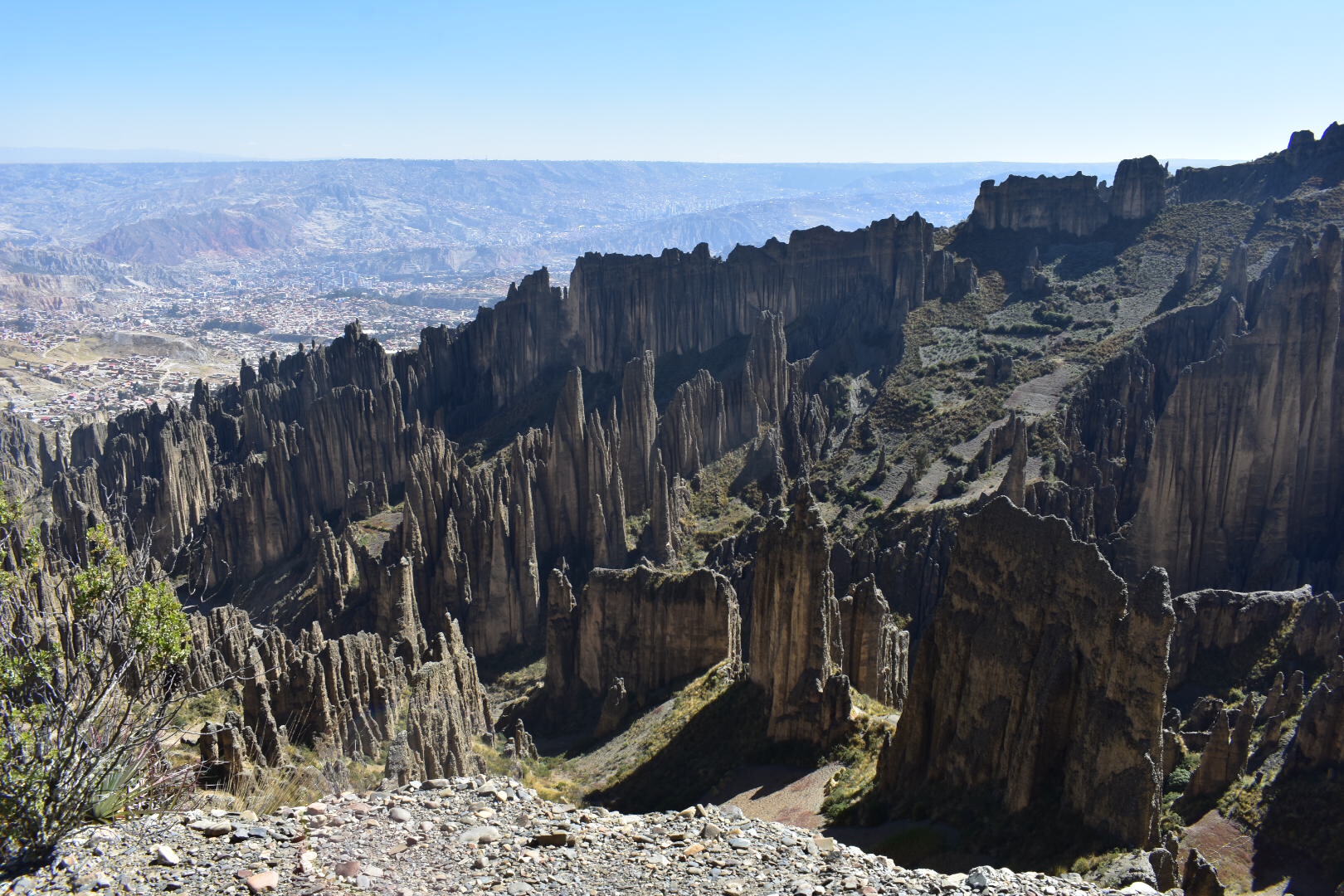
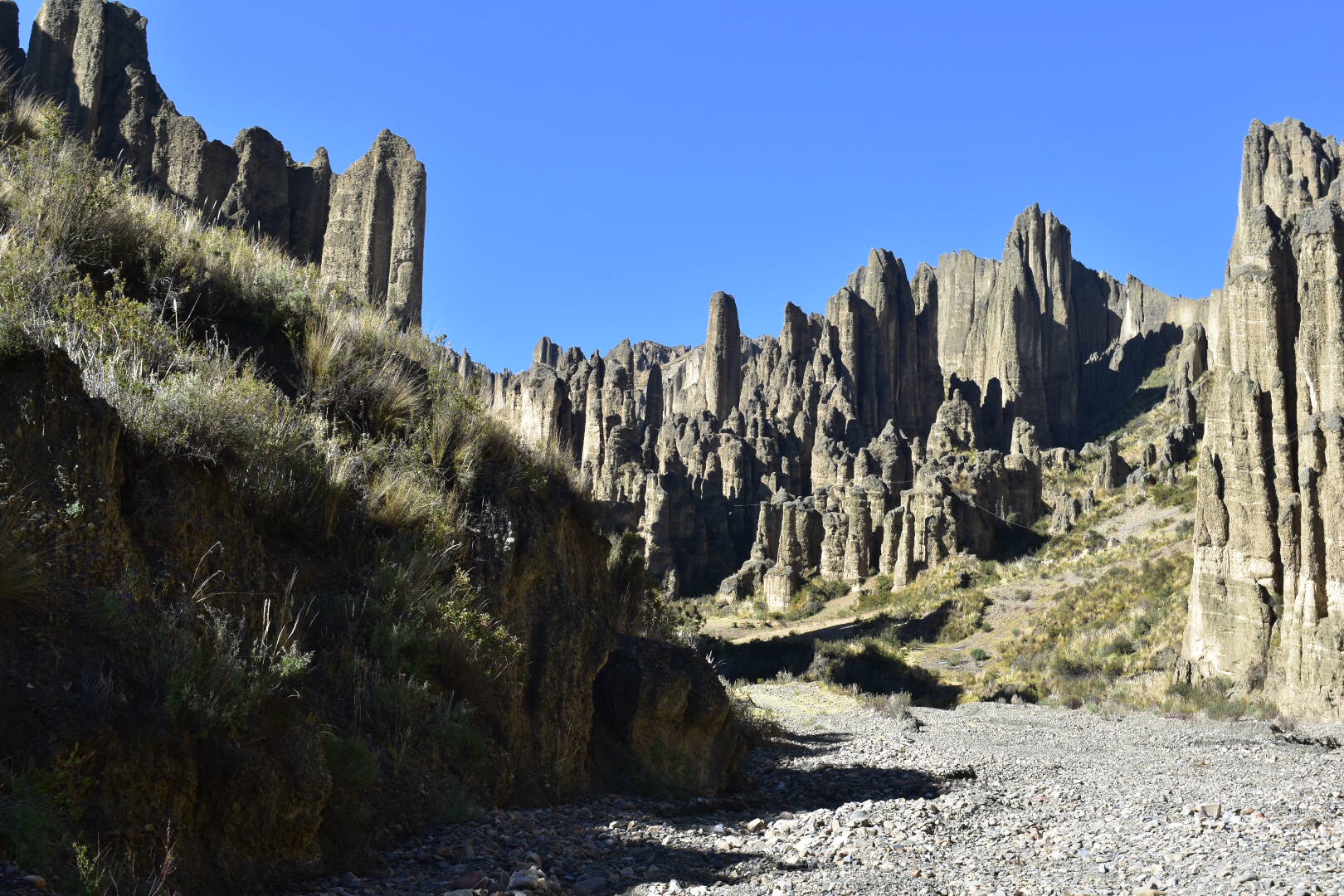
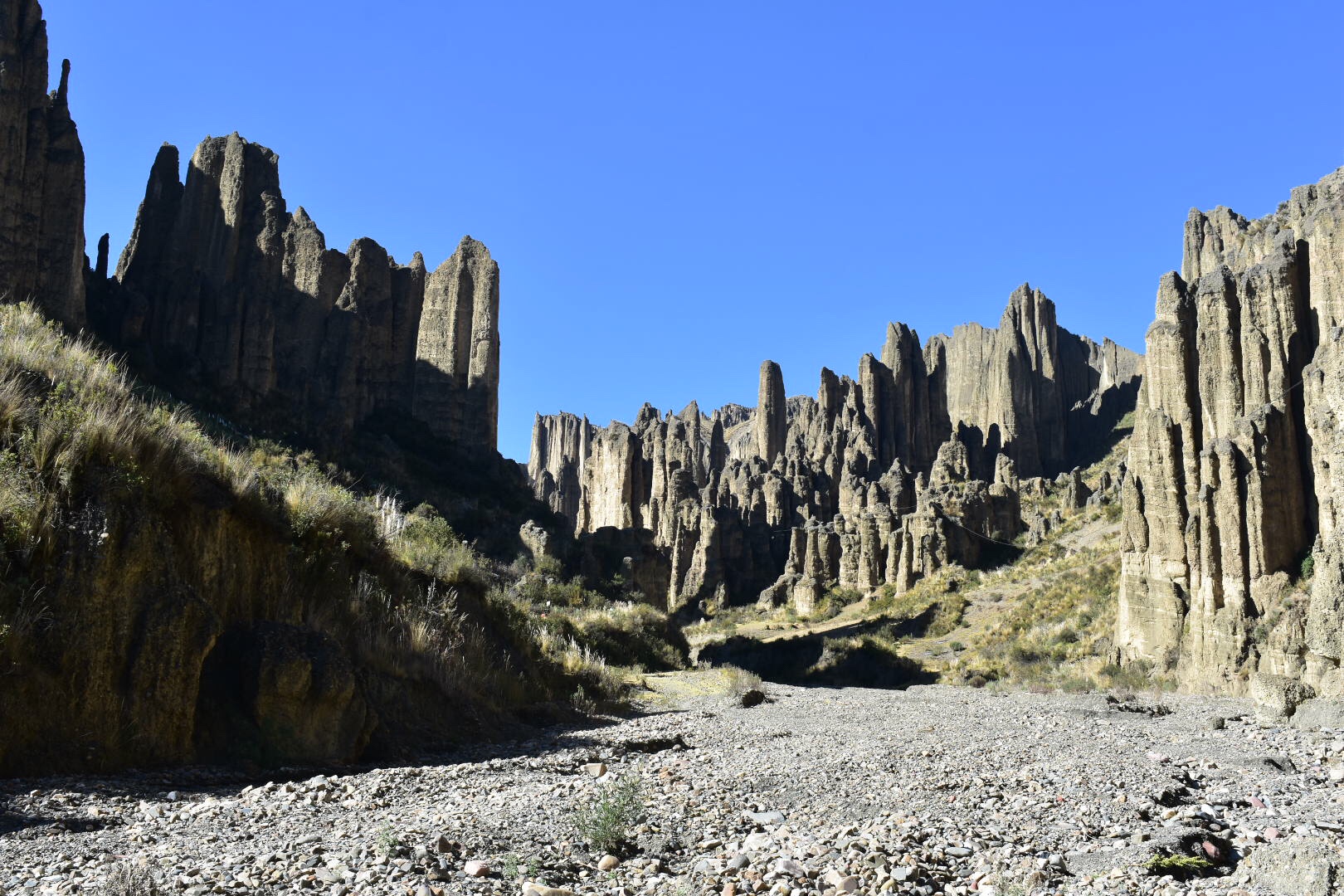
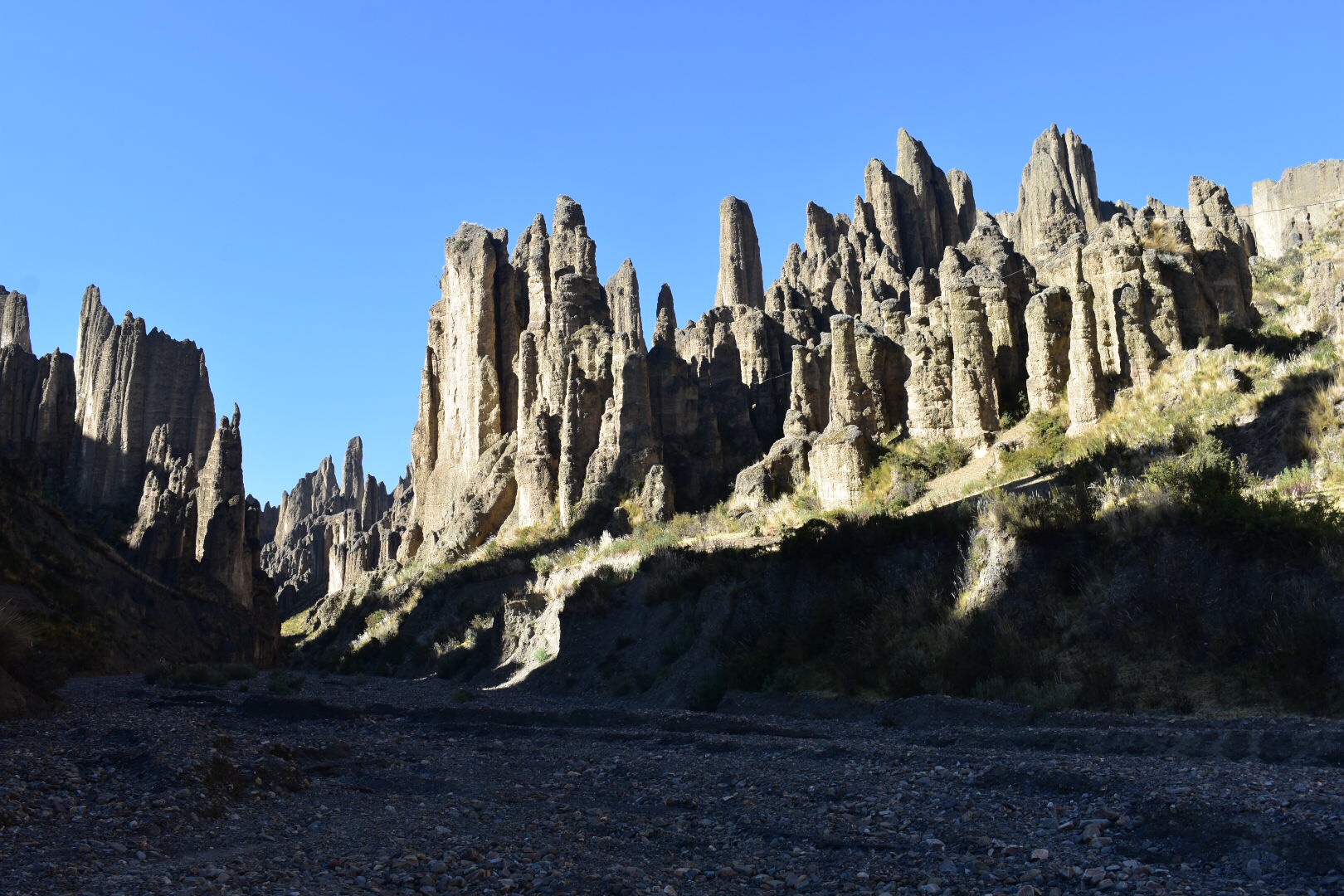
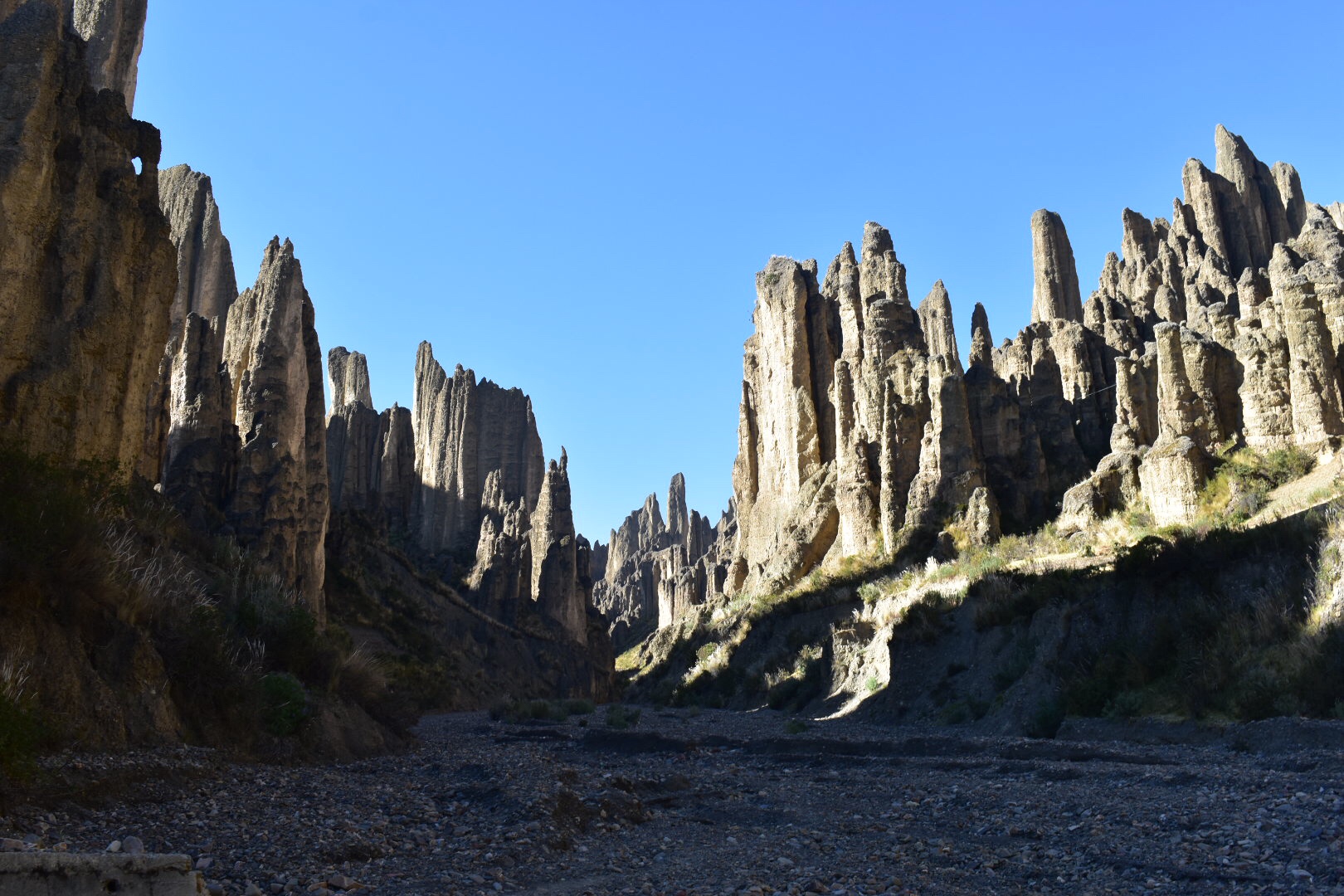
After reading about hikes in La Paz I was desperate to visit Valle de las Animas. I did find it difficult to find information about how to arrive but it was so close to the city and i could see the trails on maps.me. I asked around and one of the guys working at Colibri Camping had recently visited. If you’ve read and of my previous posts you will know that I’m staying in Jupapina which is to the south of the city.

So we went to Plaza Humbolt in Zona sur to catch the number 42 bus. I’ve since seen the bus in the centre of La Paz so you can catch it from there. Make sure it says Apańa on the front and then it’s up to you where to get off. I saw a trail on Maps.me that I wanted to follow so we hit that first but the bus also passes right by the valley entrance so read below and I’ll leave the decision to you.

I was joined by David and Pippa, who I’ll tell you more about in the Upclose Bolivia post when I write it, who are staying with me in the Verde House. We decided to trek the 3.5km trail that went along the top of the canyon and ended up at La Laguna de Animas. We started at the opposite end to arrive at the Laguna and then the plan was to take a bus to the Valley entrance. Sadly it didn’t go quite to plan so if you do decide to do this then maybe start at the Laguna and follow the path back. You might have more luck but I’m glad we did what we did.

The path rise steeply out of the village and right away there were some beautiful views of La Paz.

I was walking faster than the others and I don’t like to stop when going uphill as I lose too much momentum. I kept checking my location in maps.me and after a while realised that I was no longer on the path. I wanted to go back as Pippa had taken a different path but David felt we should forge ahead as the views were perfect. Pippa caught up with us and we decided to walk along the top of the ridge until it became obvious it wasn’t a path and Pippa and I stared suffering from vertigo. It was beautiful but we decided to retrace our steps.

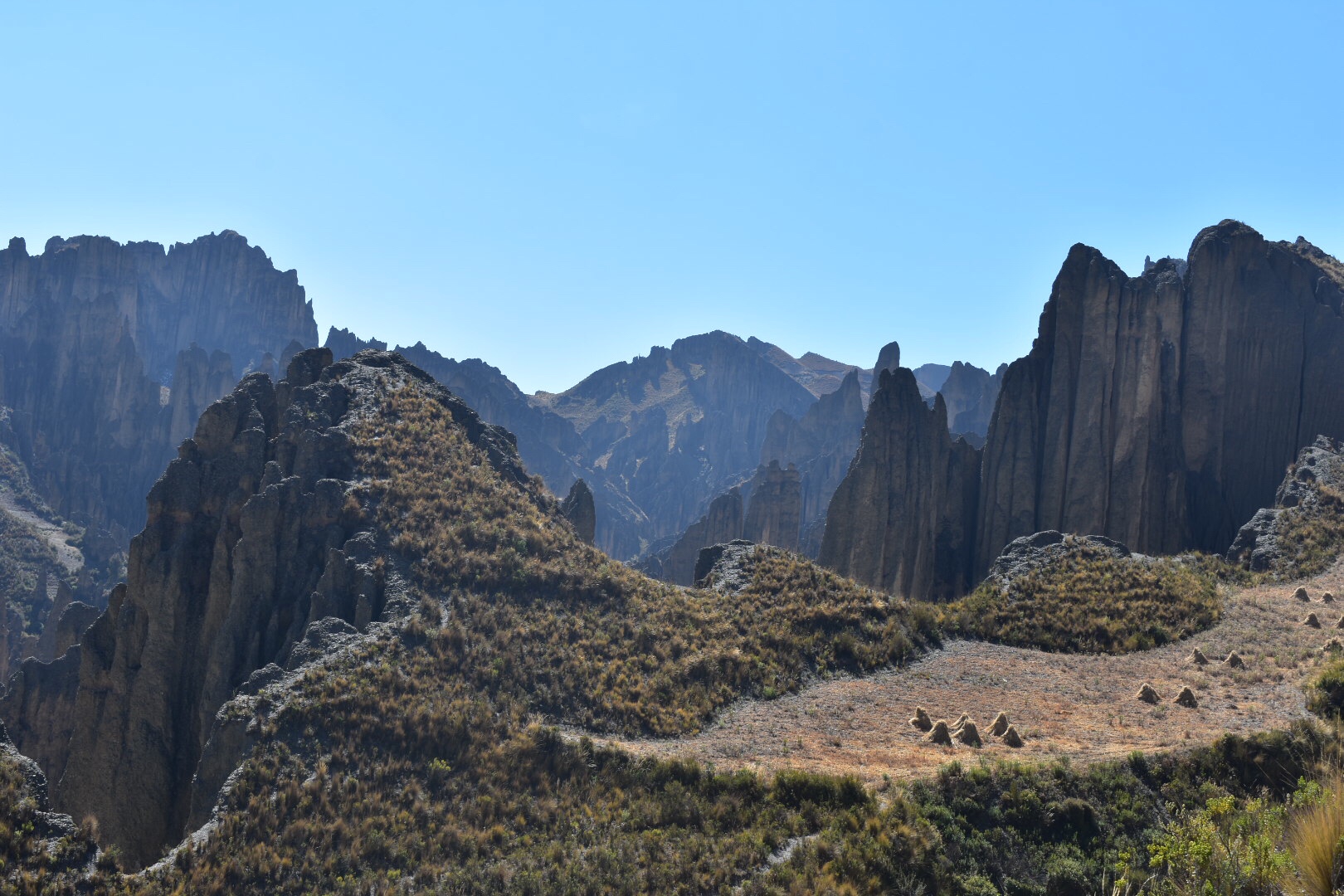
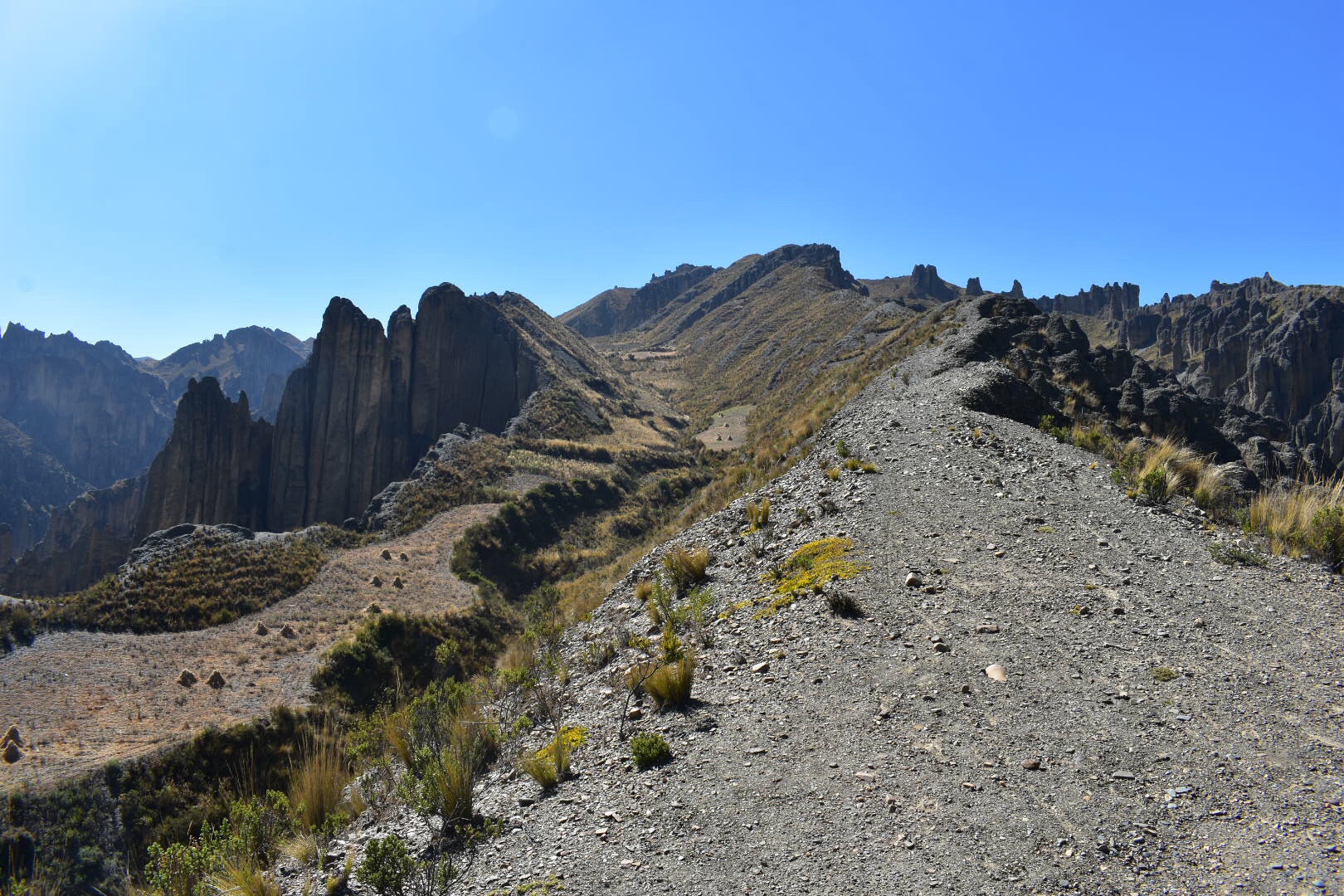
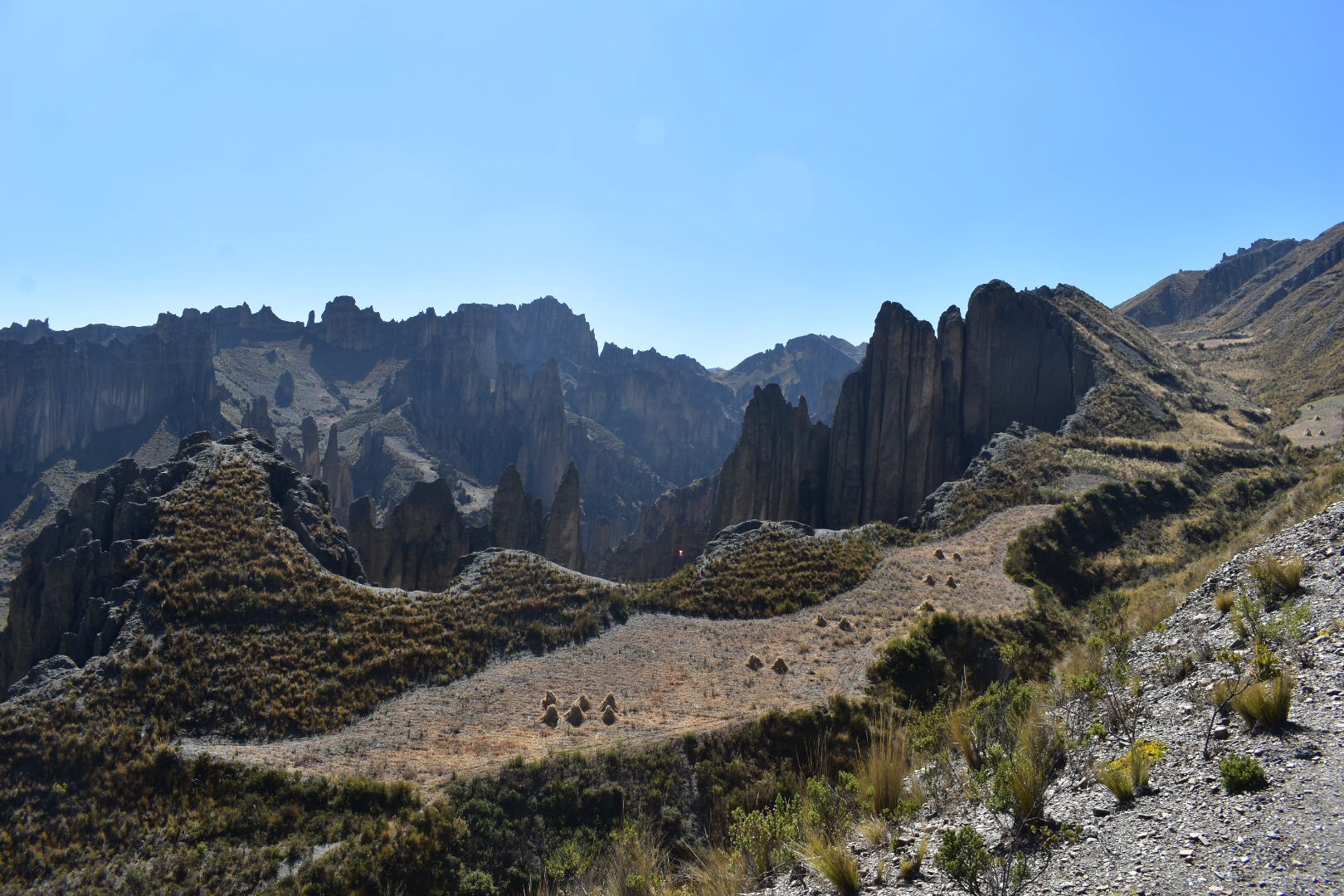
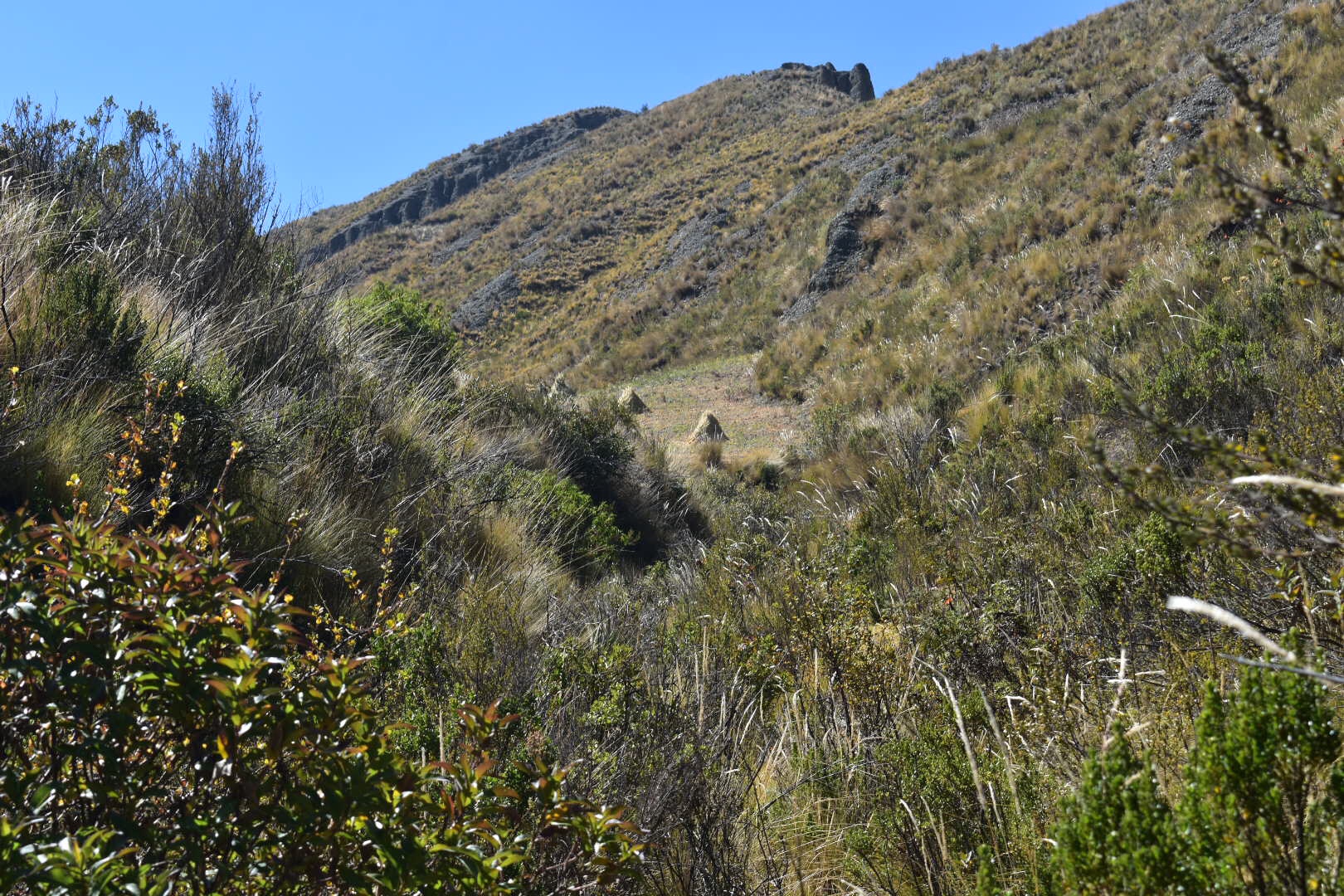
We soon returned to the path that Pippa had taken in the first place and maps.me was much happier with this decision. After walking through a couple of fields with the Blair Witch style haystacks we were led down into a canyon. We followed this up and realised progress was slow as I realised we were hiking uphill at over 4000metres.

Soon the canyon levelled our and we found more haystacks so decided to have lunch while Pippa practices some yoga moves. It was also at this point where we lost the trail. The map said that we should go left but we couldn’t see a path. I thought I could see a way though the hills via a canyon but the route was increasingly overgrown and eventually reached a point where it was impassable. We decided instead to follow the fields up the hill and found the most beautiful views overlooking the Valle de las Animas.

It was also at this point where we lost the trail. The map said that we should go left but we couldn’t see a path. I thought I could see a way though the hills via a canyon but the route was increasingly overgrown and eventually reached a point where it was impassable. We decided instead to follow the fields up the hill and found the most beautiful views overlooking the Valle de las Animas.

After our progress was blocked yet again we decided to turn around and walk down to the valley itself. David took the lead and we followed him along a precarious path that consisted of sheer drops and ended up in someone’s back garden. My advice is to follow the path but it’s not always the most fun. We followed the road 1.5km to reach the valley entrance stopping for ice cream along the way. Going into the valley is tough as it’s all uphill, I hadn’t realised this and we were already tired from the trekking.

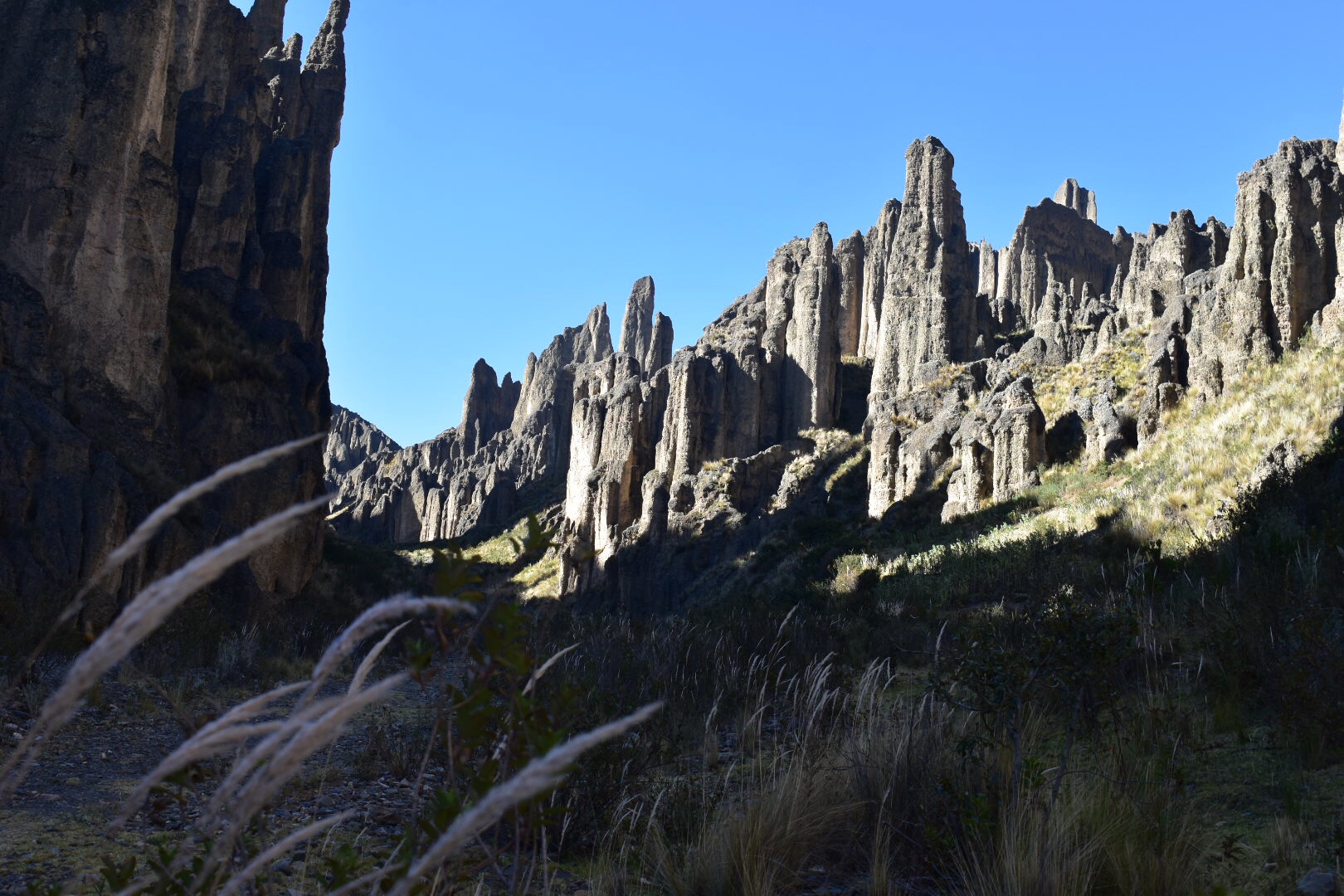
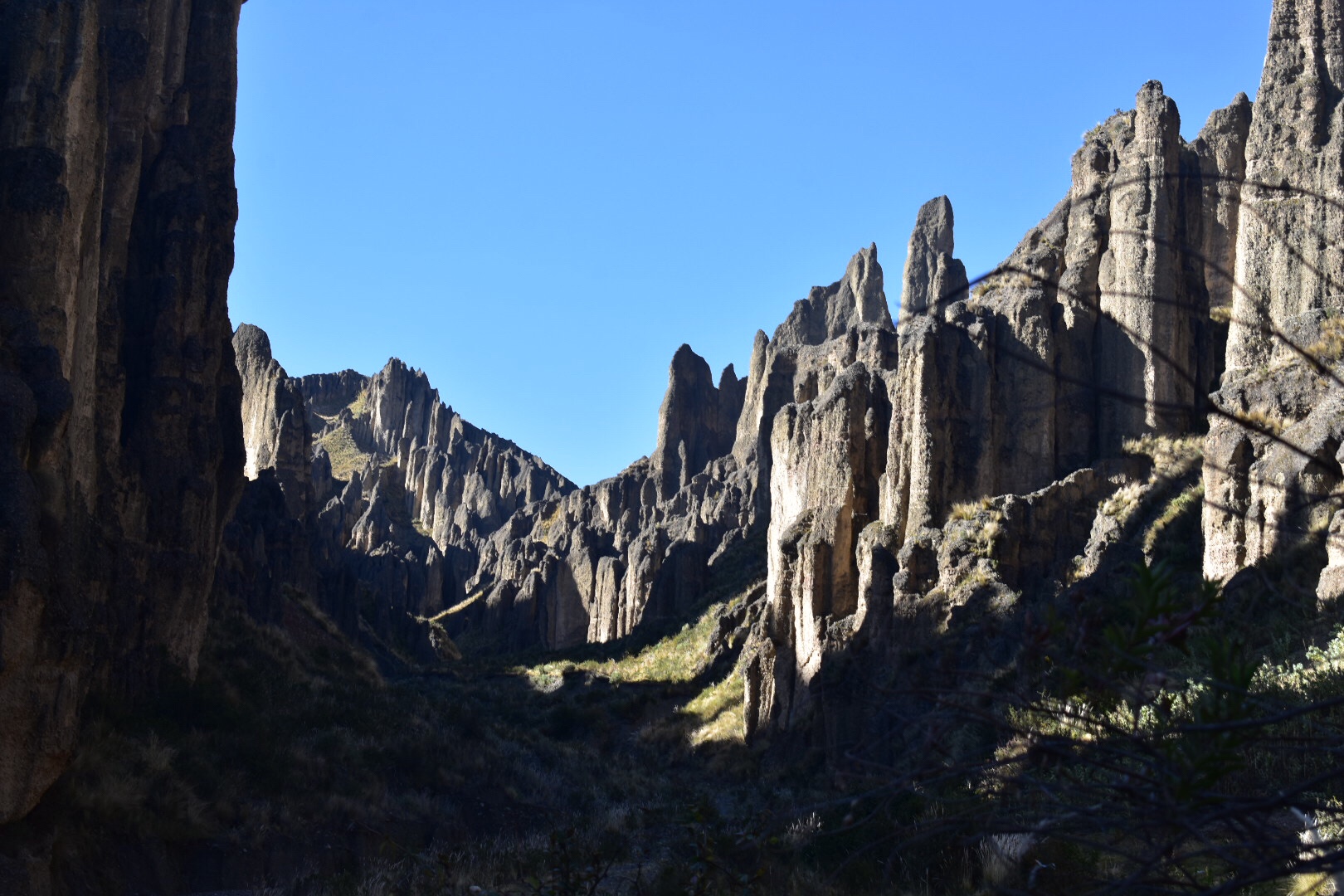
We walked in as far as we could but the sun began setting so we didn’t go too far. I would love to go back and check out more as the sceenary is beautiful. On the way back we could see the Devils Tooth framed in the valley. We walked to the road and jumped on the first minibus heading back to the city.

Muela del Diablo, La Paz

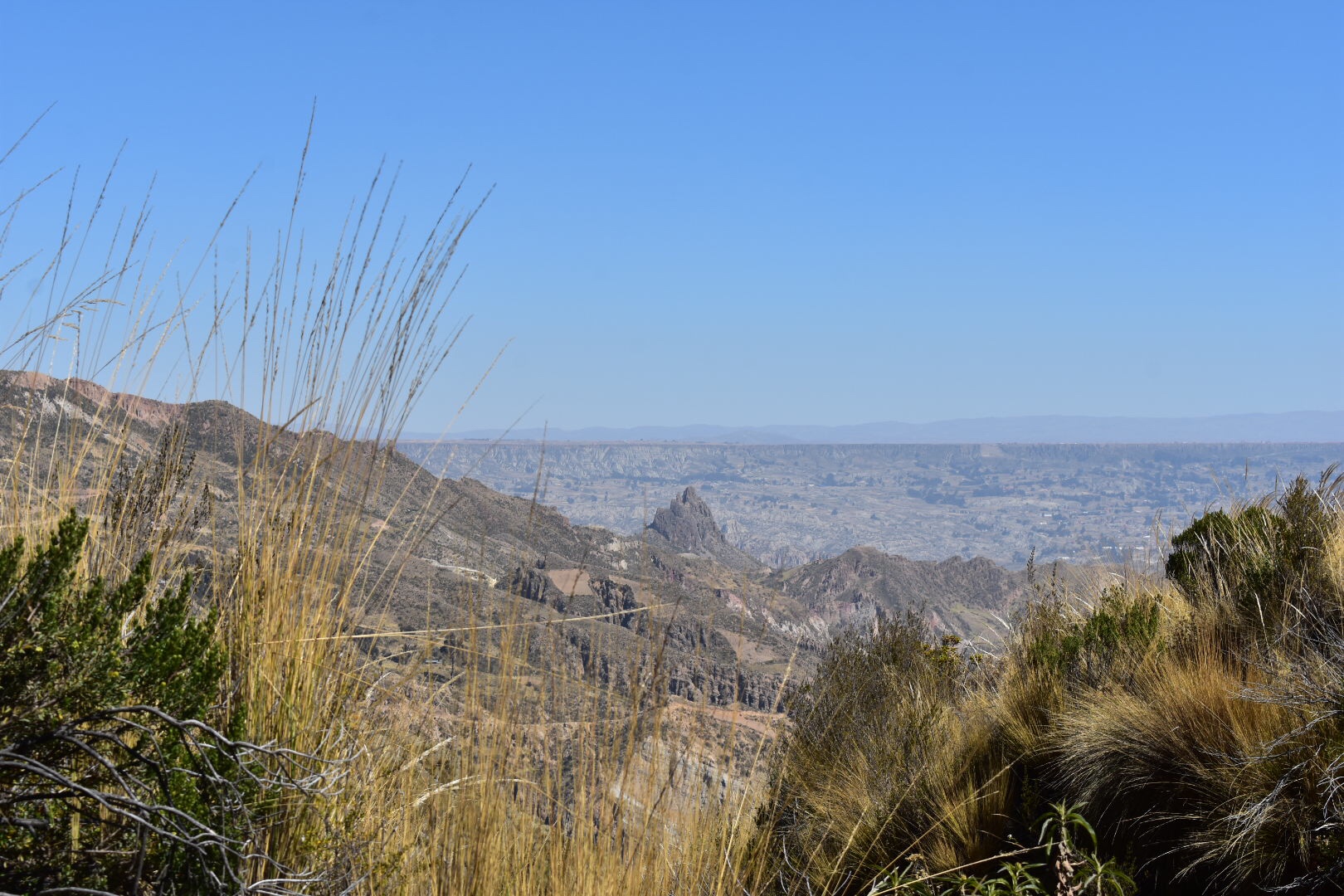
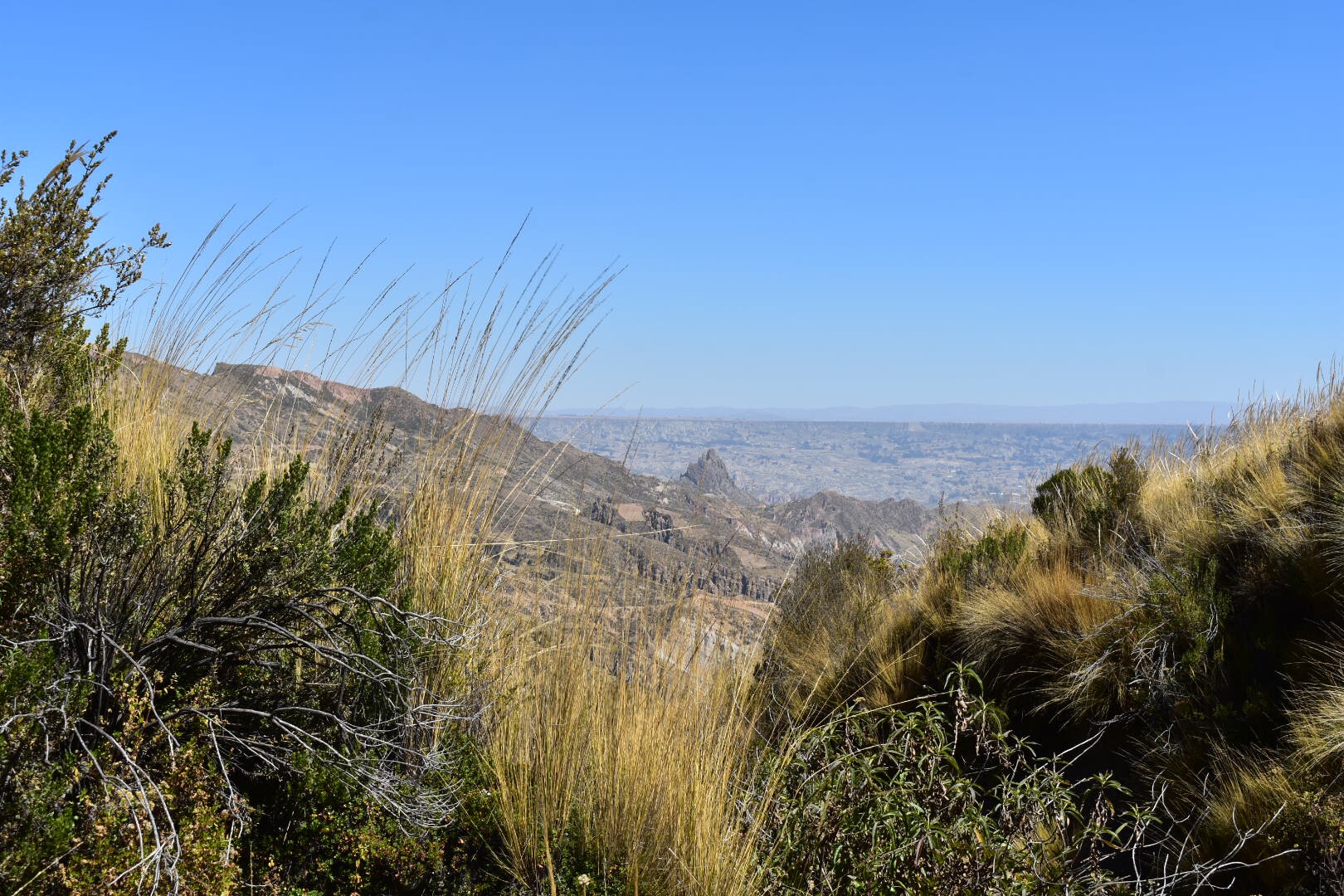
You can see the Muela del Diablo looking over La Paz from pretty much anywhere in zona sur of La Paz. I don’t think you can see it from the centre but it’s easy and accessible. It mean Devils Tooth but during my time here I’ve referred to it as Devils Finger, Devils Toe and Devils whatever else springs to mind.

I started my journey from Jupapina which is where I am staying to the south of the city. Actually you can see it from here and it’s one reason I was so desperate to get up there. From Jupapina you can take busses but I was advised to take a taxi for 90bs and sometimes it’s best to do what the people who know tell you to. You can get a bus to Pedregal and then walk up the hill to Chiaraque. They should gonfrom Plaza Humbolt in the south of the city or from the main road where all the busses go-just look for the signs on the minibuses. I’d advise you to get a Mallasa taxi from the rank in Plaza Humbolt. The starting town of the trek is not nice and has some vicious dogs.

Tell the taxi to take you up to the base but I would get out towards the top just before you reach Chiaraque as there are beautiful views of La Paz. I didn’t do this and I regret it. Then you can follow the road through the village and up to the tooth. I was dropped off close by and you can see that another set of hills blocks the views of the city although it is spectacular none the less.

When you reach the tooth you will find that without climbing equipment you can’t go very high. There is a path but watch out as it suddenly stops. But do go up as it’s worth it for the views.

I was there on June 21st and this is a public holiday as it is the New Year. There was a party going on as there seems to be a lot in La Paz, which is great fun. I watched the dancing for a while before setting off on my journey.

Now I suspect you are thinking what’s the point in going on a hike if you take a taxi all the way up. Well I ended walking 13 kilometres that day and essentially what I did was walk down. The tooth is closer to 4000 metres altitude so walking up is tough and this is a good hike to try if you want to go up some of the bigger mountains. There is a path that follows the ridge overlooking the valley of Mallasa and Jupapina and from the end you can get a bus back to the city. It’s all downhill and I didn’t see another person all day so I’d reccomend. From the tooth follow the road away from the village and you will see this.

As you walk further away the views get better.

And I also saw some hay piles which is a little Blair witch-I’ve since seen these in many places.

After about 30mins there will be a gate blocking your path. You can enter on the right and don’t worry it’s perfectly find for you to do so. The path again is on maps.me but it’s not 100% accurate so make sure you follow the most obvious path at all times. After about another hour you will come to another gate. Again go though and keep following.

Here are the views of the valley where I have been staying.

You can actually see my house in some. Keep following the path, some is overgrown, until you reach a wide flat area with some trees on the right. Then follow the cobble road, there are several roughed you can take, until you reach the bottom. Then walk to the main road and take any bus back to town. It took me about 3 hours at a slow pace and it’s not a technical trail! Enjoy.

Valle de la Luna, La Paz

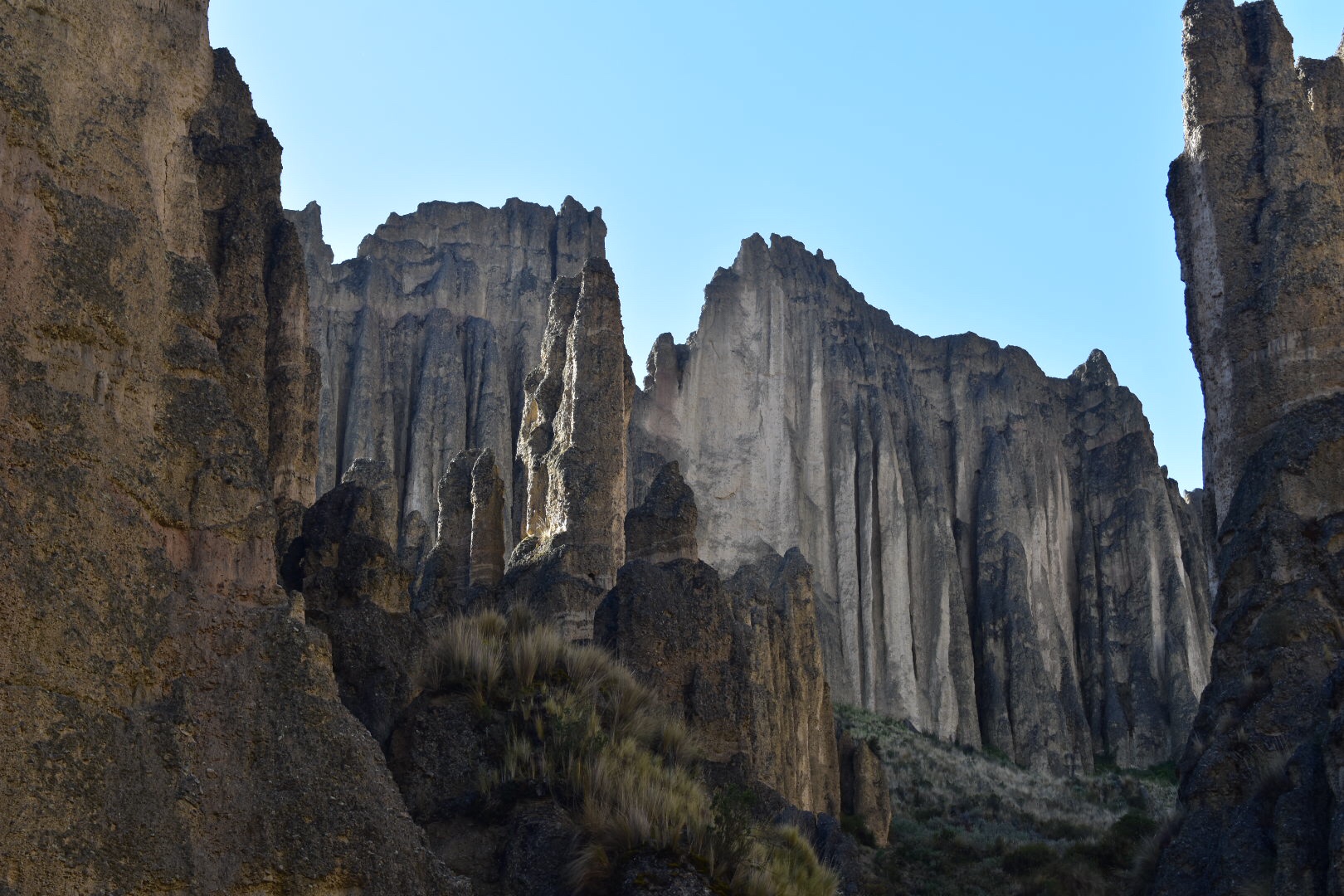
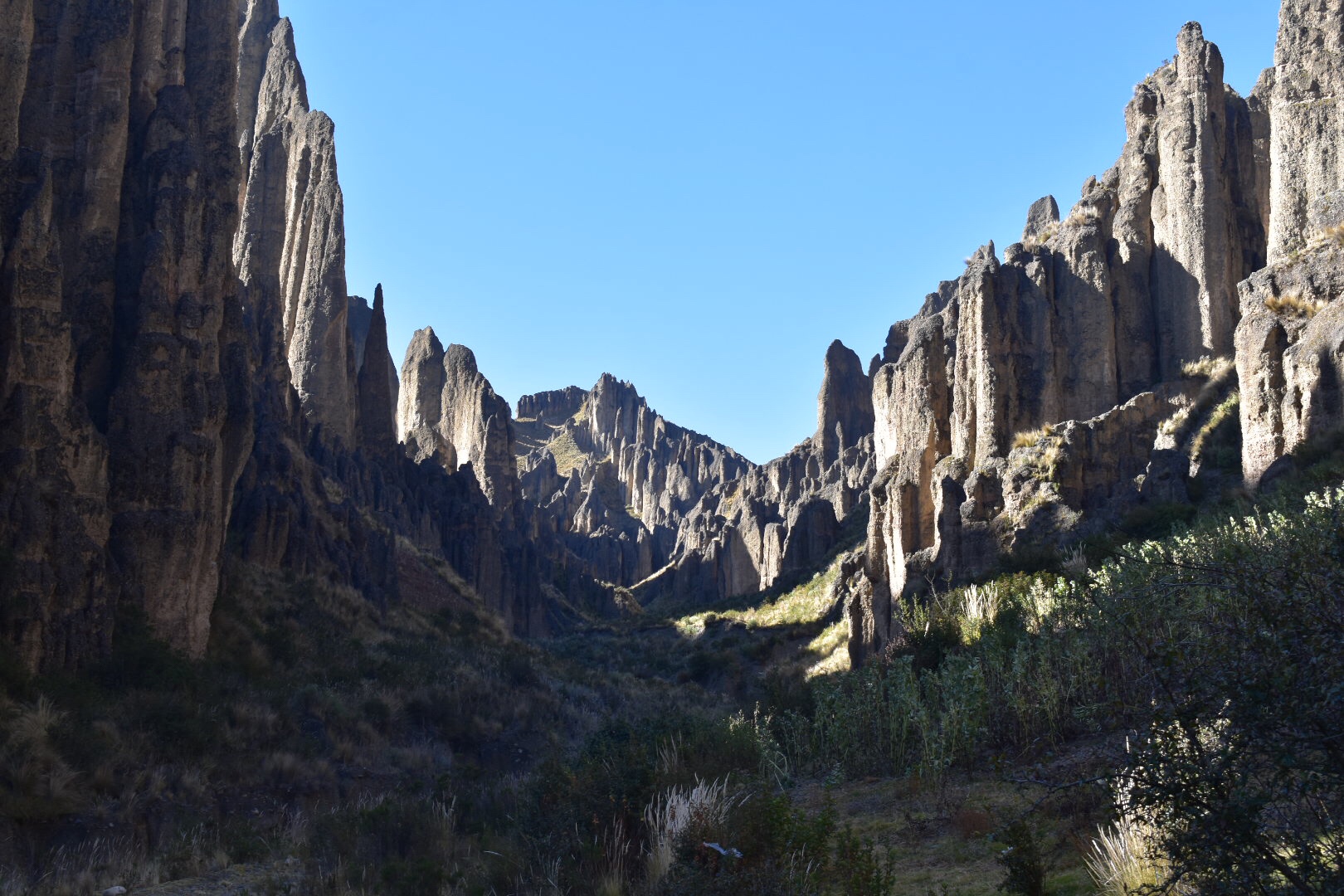
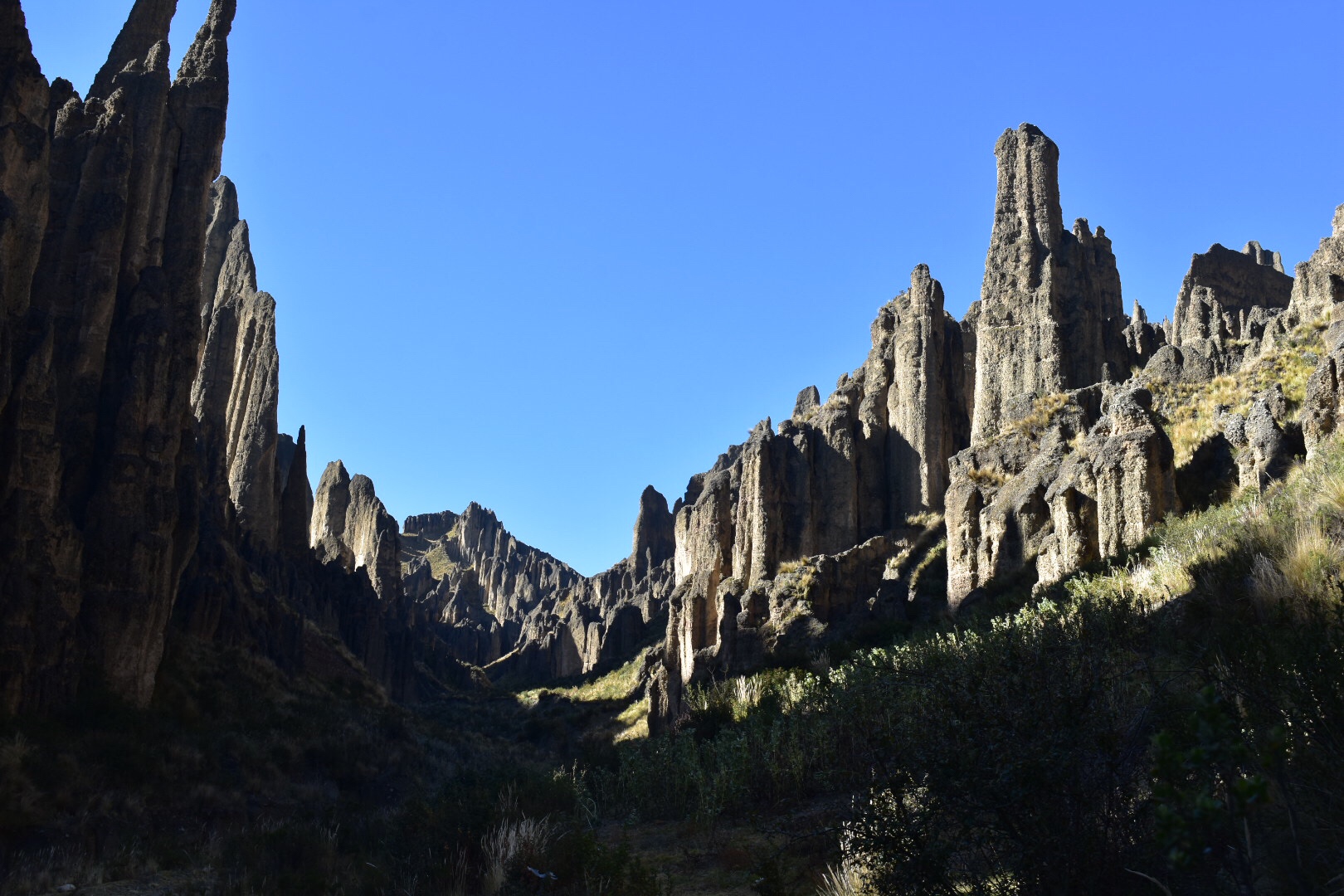
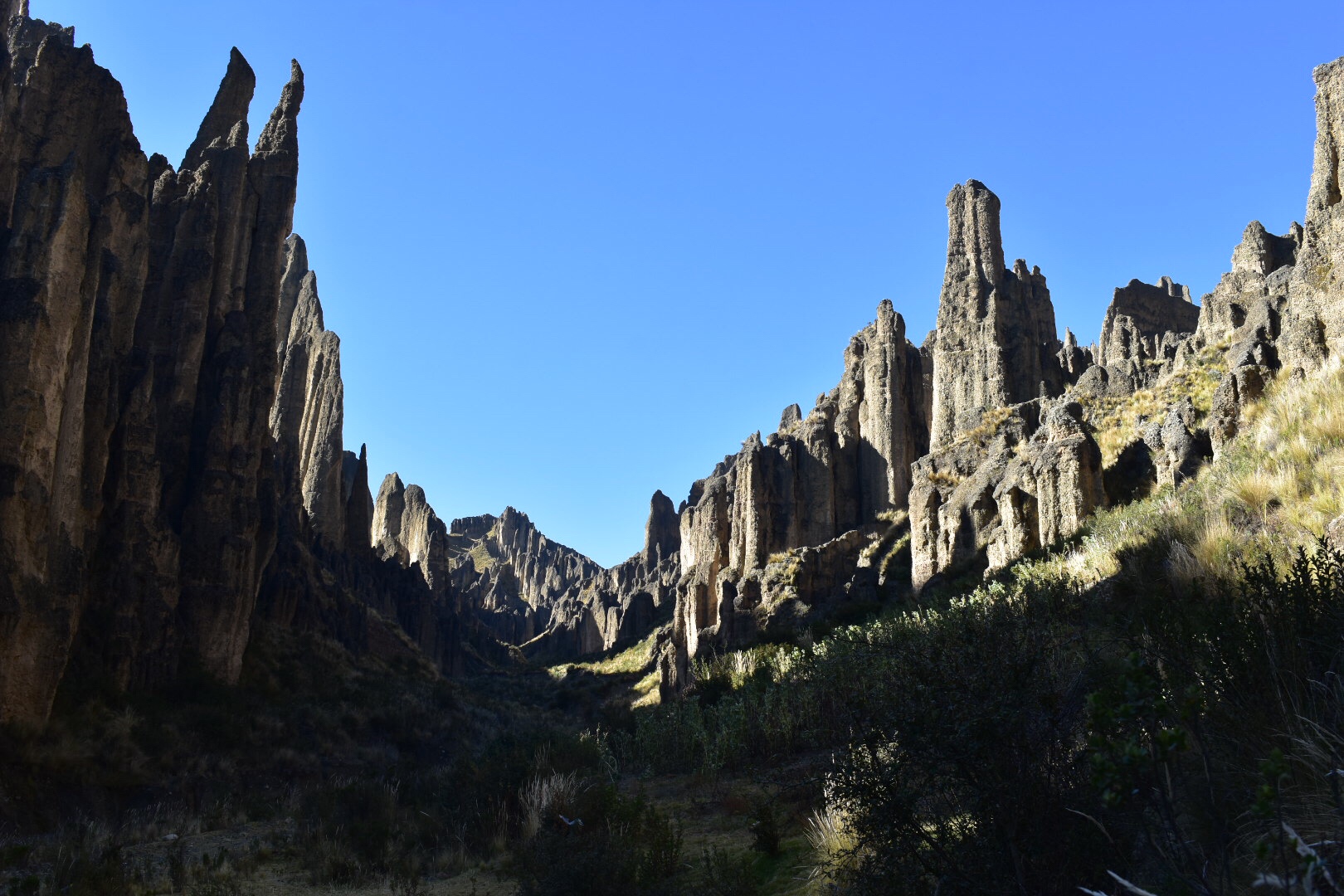
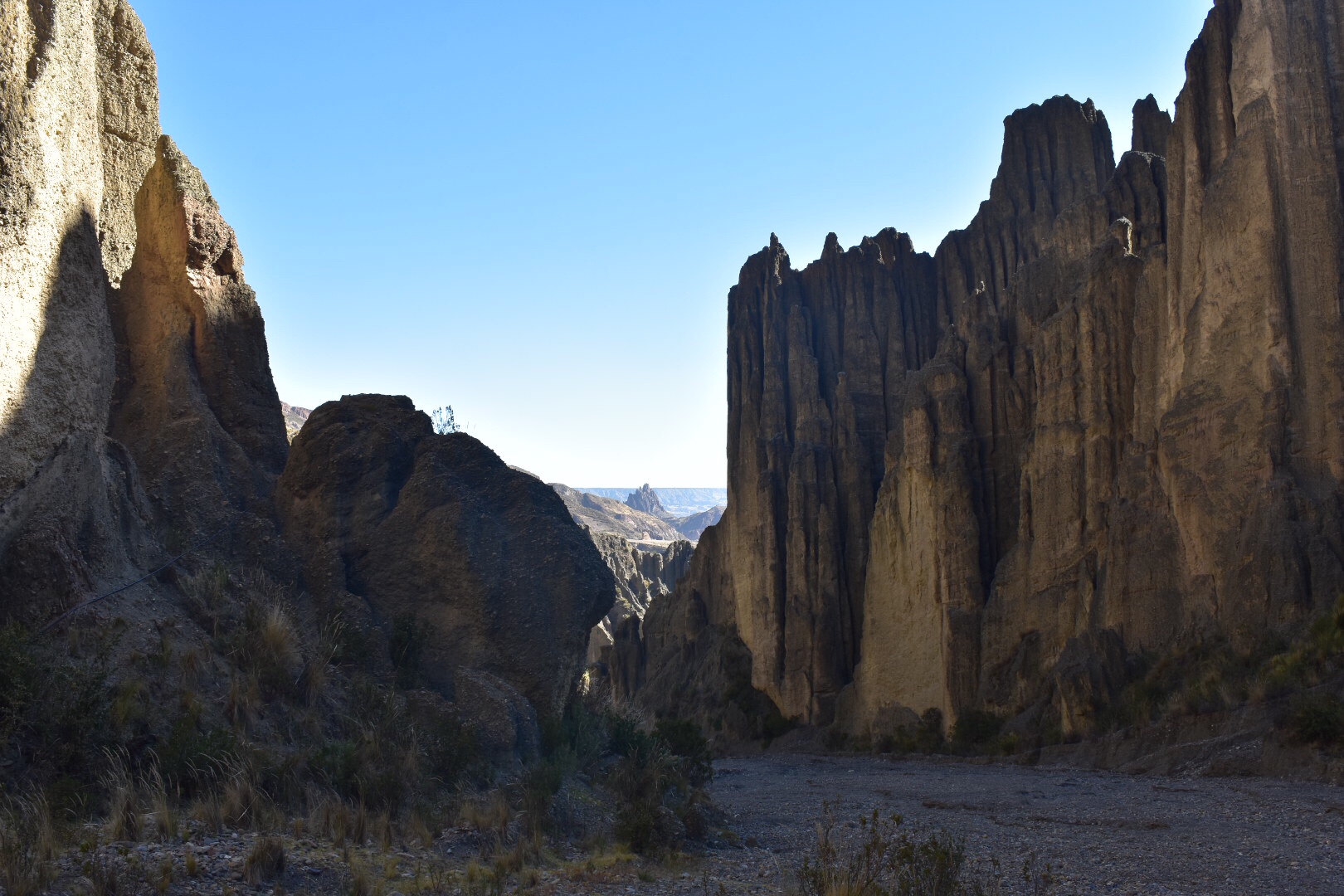
The Valle del la Luna is just south of La Paz in Mallasa. There are minibuses that run from the centre of La Paz, just look for one that had Mallasa in the window and you can easily combine with a trip to the La Paz Zoo where I am volunteering (combined entrance is 25bs). Mallasa is where Bolivians come for the weekend so there are lots of restaurants catering to local tastes and the trip will give you a little insight into the are that you otherwise wouldn’t get.

I am staying in La Paz for just over five weeks and if I write one long post this is going to crash as with the other posts. I don’t like writing about a place until I leave as you can’t really tell where the experience will take you halfway through, but I have done several hikes each of which are independent and can be done as separate trips so I’ll be publishing these over the next week and then I’ll write about La Paz and Upclose Bolivia afterwards.

I seem to have most of Monday’s off with a Spanish lesson at 4pm so I wanted to make the most of my second Monday in the city. I decided to check out Valle de la Luna as I pass it on the bus when I travel into the city from Jupapina and I also noticed a couple of interesting viewpoints.

I jumped on a minibus (I’ll explain these more in another post) and headed to the entrance. There are two routes through the valley, one that takes 45mins and one that takes 15mins. You can easily do both. After paying the entrance fee of 15bs you get to walk through the gift shop before appearing in a really fascinating rock environment, that if you use your imagination looks a little like the moon.

I opted to start the 45min trek and as it was a Monday the park was pretty quiet. The weather was perfect and I was able to enjoy the landscape. Note that it is right in the middle of Mallasa so there is a town backdrop to the views. It’s also at high altitude, I’d guess around 3500 but so is most of La Paz so just take it easy. I found I was very quickly out of breath.

It’s a dessert landscape and in the background of the above shots you can see the Muela del Diablo in the background which I hiked a few days later.

As i mentioned there are a couple of view points you can visit. Check on maps.me but the first is a short 10 minute walk from the valley and it’s well worth a detour. Take a left as you leave the Valle de la Luna and follow the road until you get to the steps on the right. There is a sign that clearly marks the route. You go right to the top of the hill that gives panoramic views of the whole area.

After this the other view point is a little out of the way. I walked around and sadly it was barred when I tried to go so you might want to skip and head into Mallasa. Grab some lunch in one of the restaurants or head on down to the zoo and get some food in any of the restaurants near the entrance and enjoy your afternoon there.

I headed down the road and there is a “path” where you can readh a little out of town shopping area with a supermarket, pharmacy, take away pizza and a cage. I stopped here and treated myself to an Oreo milkshake and WIFI before heading back for my Spanish lesson in the afternoon.

Salar de Uyuni Tour

Day One

I had yet another early start and woke up at 6am to be collected around 6:30. The bus was half full off sleepy tourists as it raced around San Pedro. Benny, who i met on the Red Rocks tour a few days before, managed to grab the seat next to me and we headed up, literally at 4000 metres, to the border.

The Chilean side went smoothly, they kindly let me use the toilet and I noticed that they had a table tennis table. We then raced over to the Bolivian side and it was here that I realised I wasn’t in Kansas anymore. Now most people seem to travel South America from the north to the south. Either starting in Colombia, Central America or a multitude of other places. I started in the south and am travelling north, which I think and don’t quote me, is less common. So I’ve been told that Argentina and Chile are really well developed, which they are, but for me they are really different to Europe. However for those who have visited the poorer countries in the north they are very close to Europe, expensive and I think as a result many travellers don’t stay so long. I hadn’t really thought about this as I’ve been her a long time. It was only when I reached the Bolivian border that I realised things were going to be different from here on in…

Benny has a little trouble with the border owing to him being a US citizen. He had triplicate paper work, the fee and everything else and still they needed a bribe. Whilst Benny stressed the rest of us ate breakfast and it was here that we met Melissa, Emma, Ruben and Niklas who were to be our friends for the rest of the tour. The company told us to divide into groups and we jumped into the Jeep’s with Simón, our driver and guide.

The breakfast was great along with all the food on the tour. We were never rushed and stopped for extra photos on request. I booked with White World Travel, going from San Pedro to Uyuni.

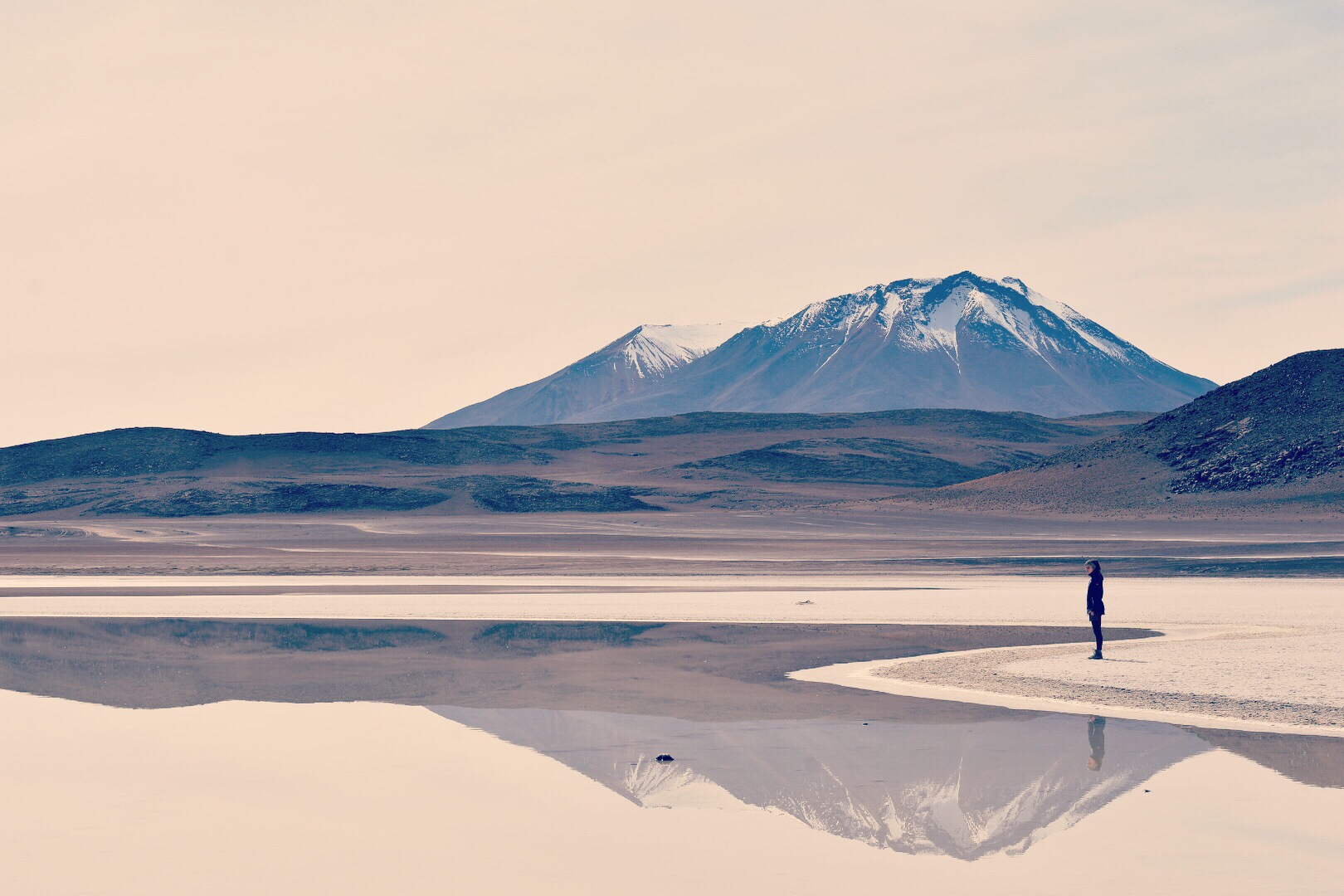
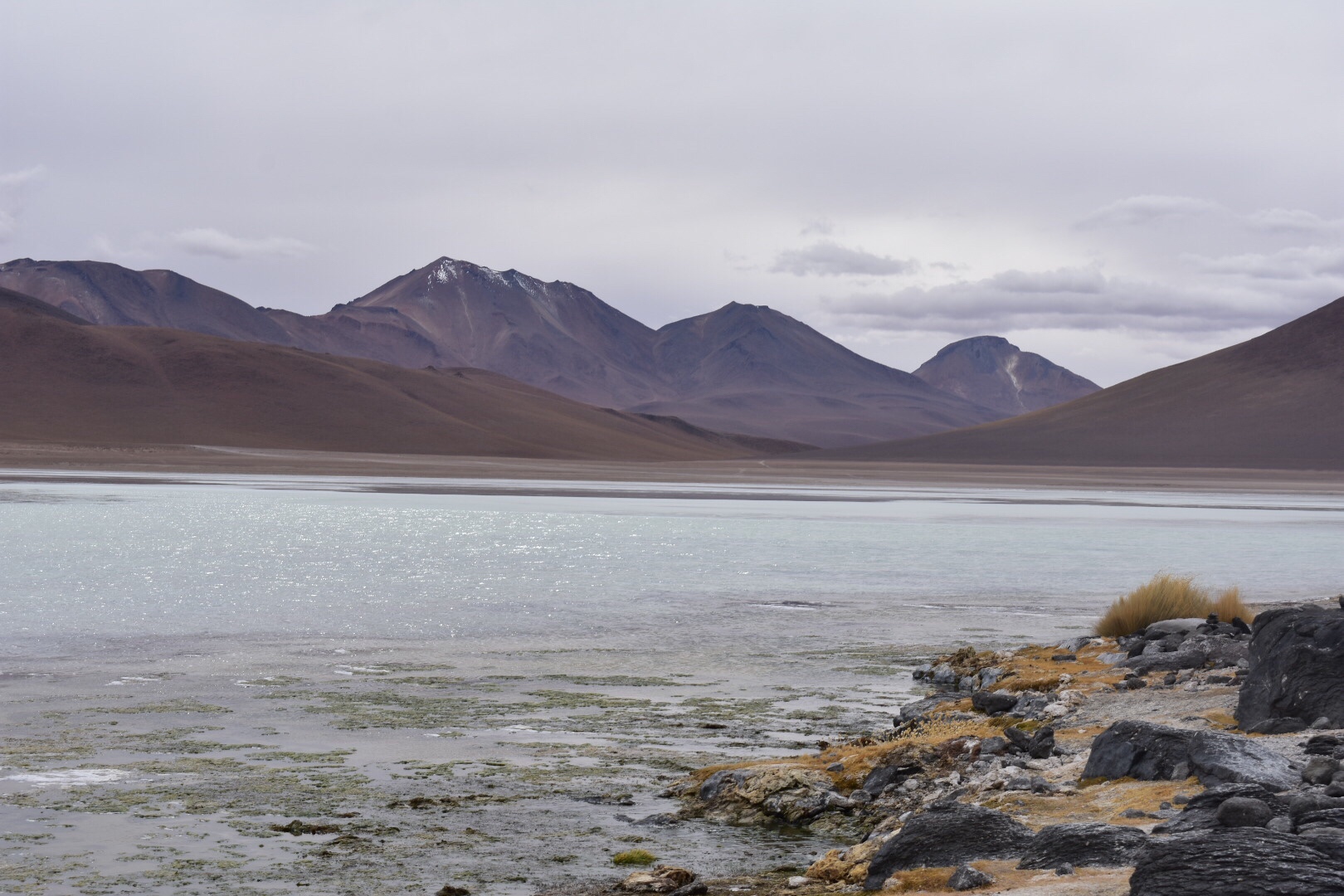
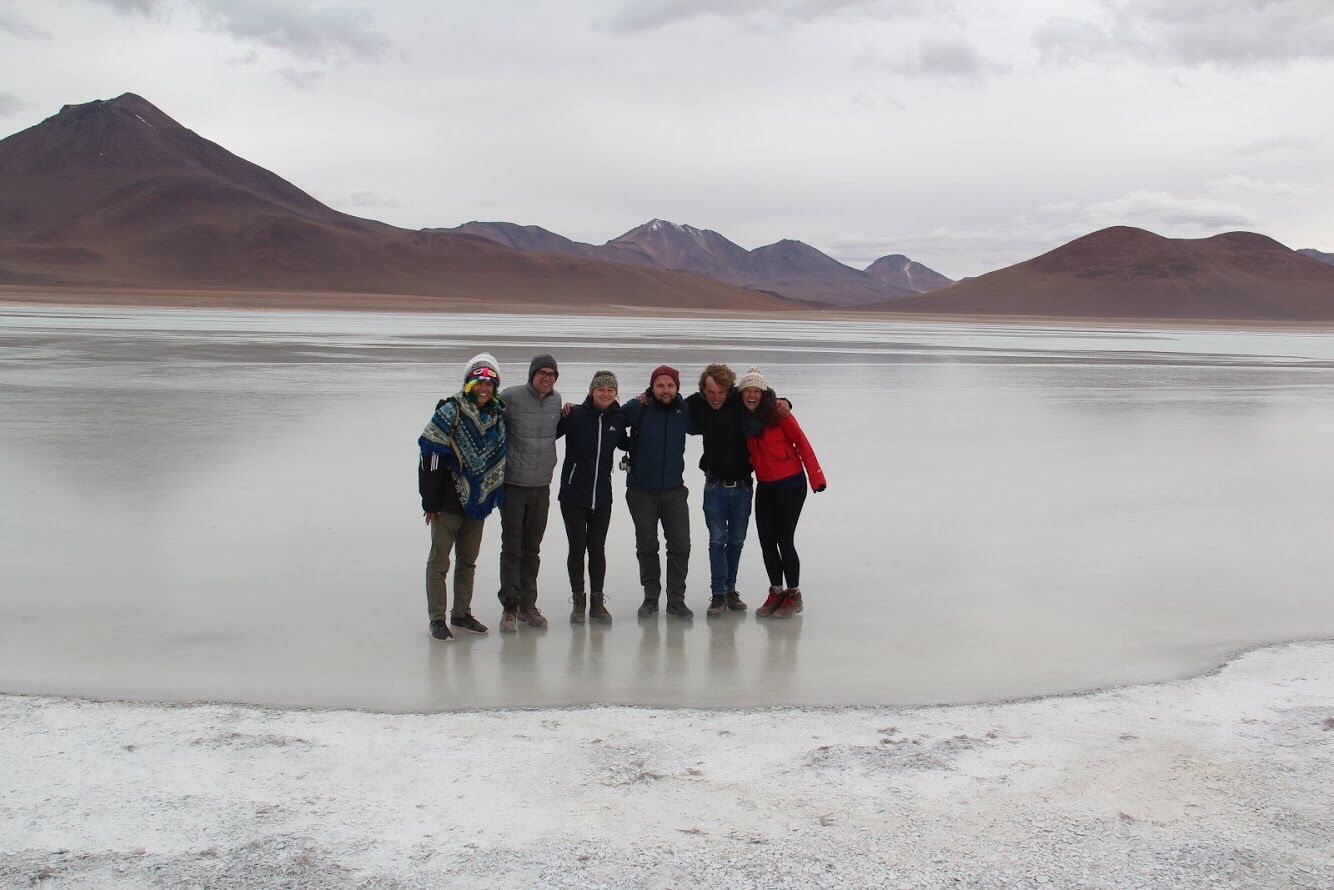
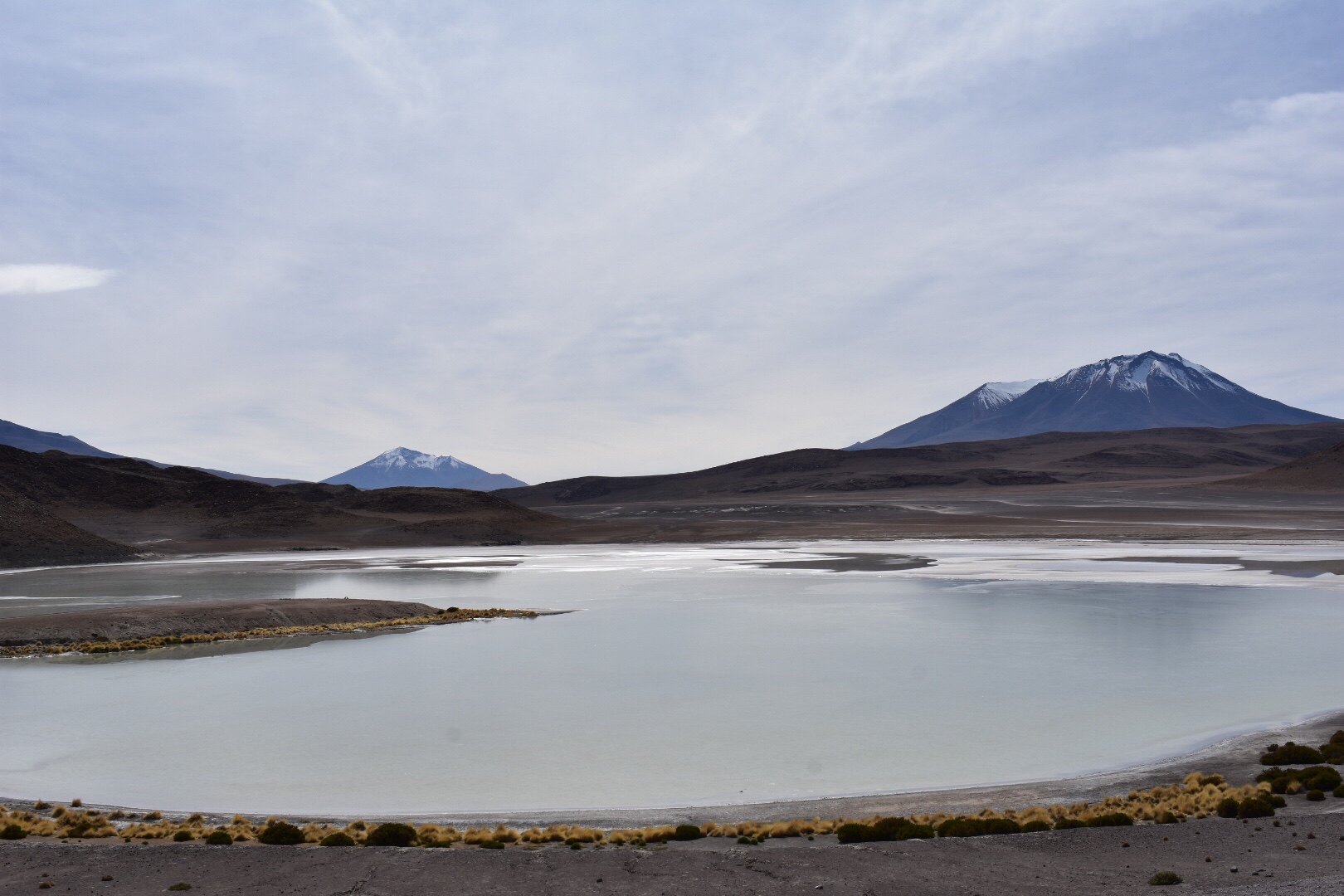
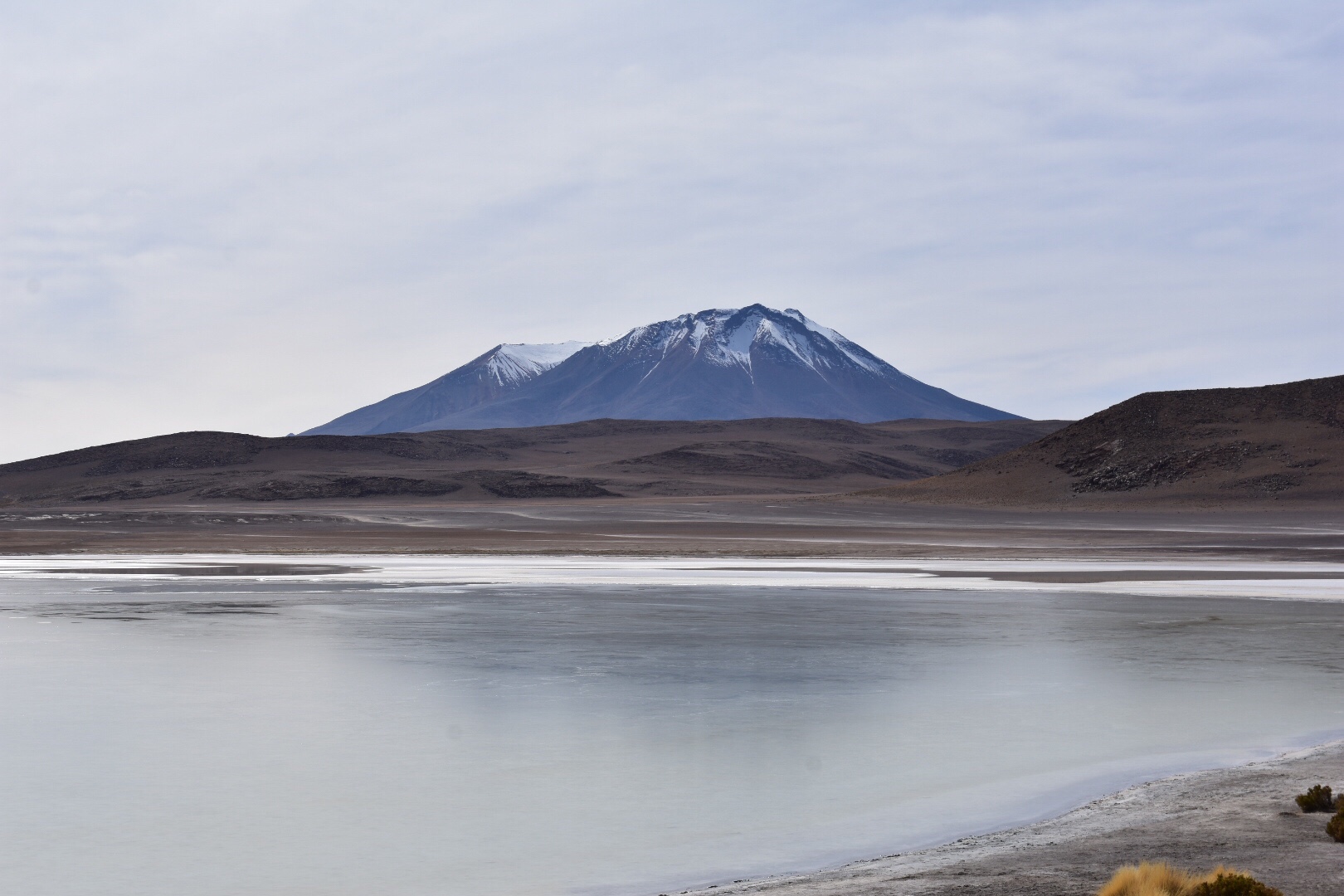
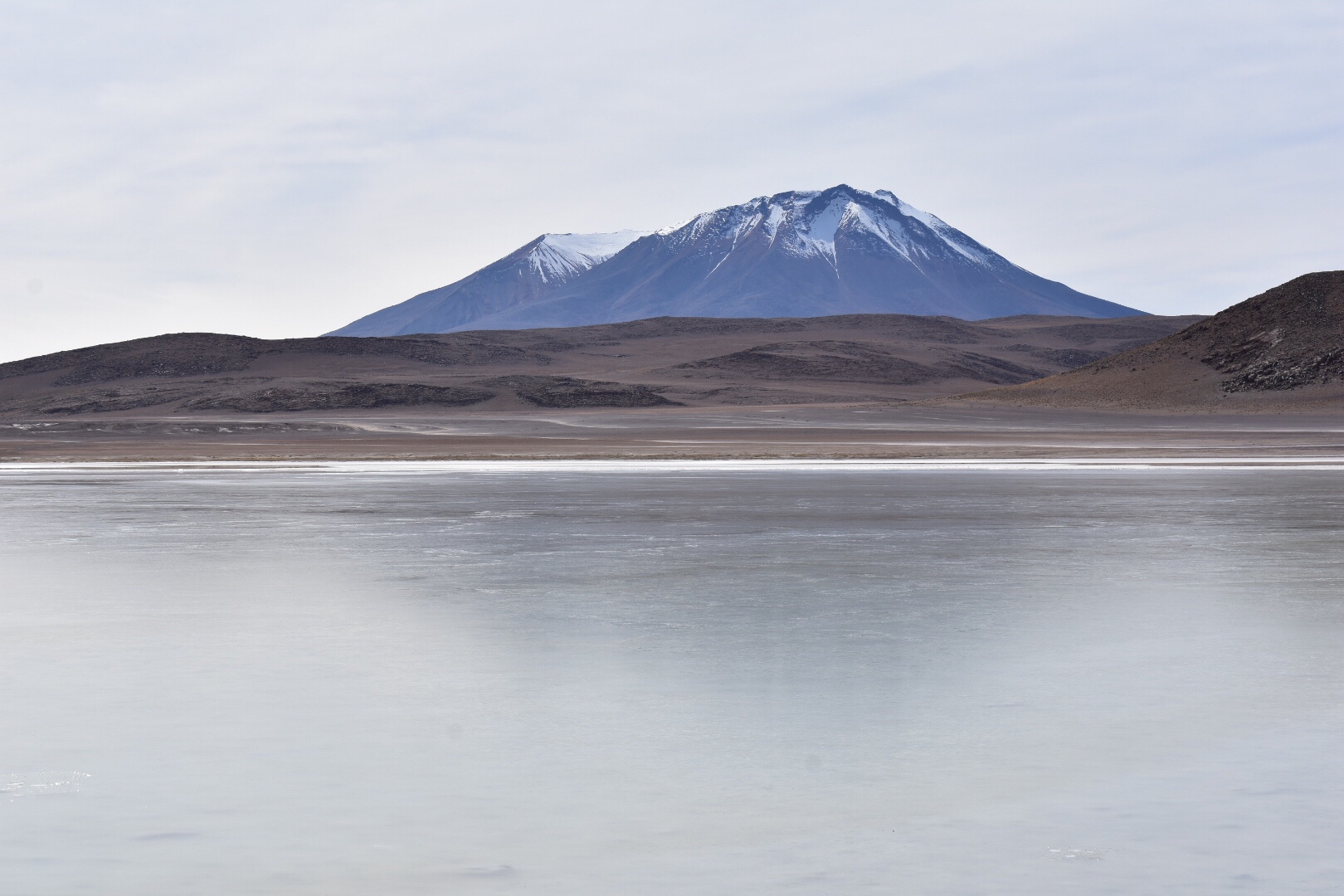
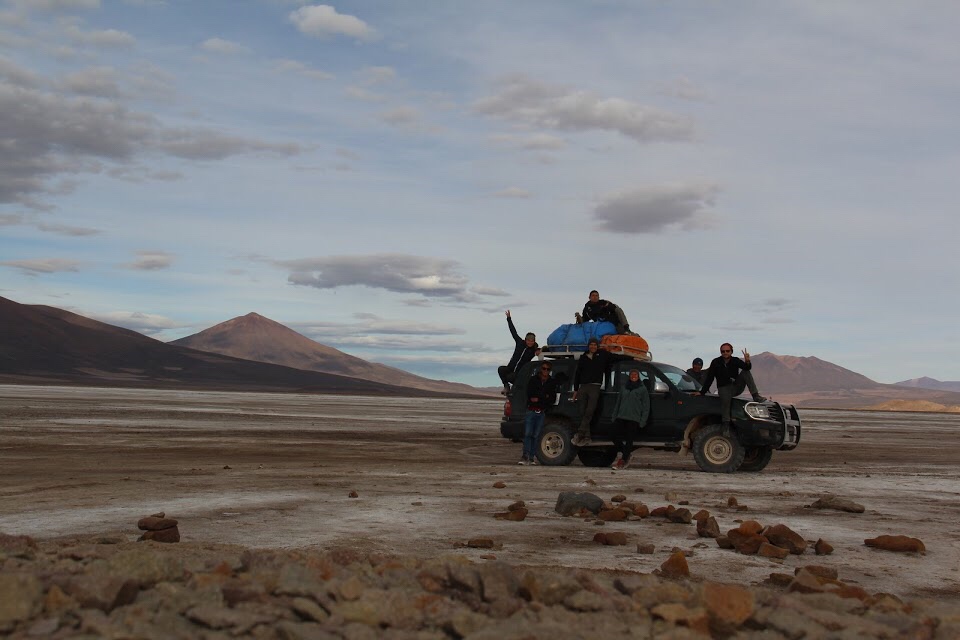
We were whisked away and soon arrived as Laguna Blanca. This was after a quick stop to buy tickets for the National Park. After an introduction in Spanish, I would end up knowing little about what we were to see over the next few days so don’t ask, we jumped out in the freezing cold to have a look and take photos. As you can see in the group shot below the lake is frozen! So yeah it was cold and this day was really grey so that didn’t help much.

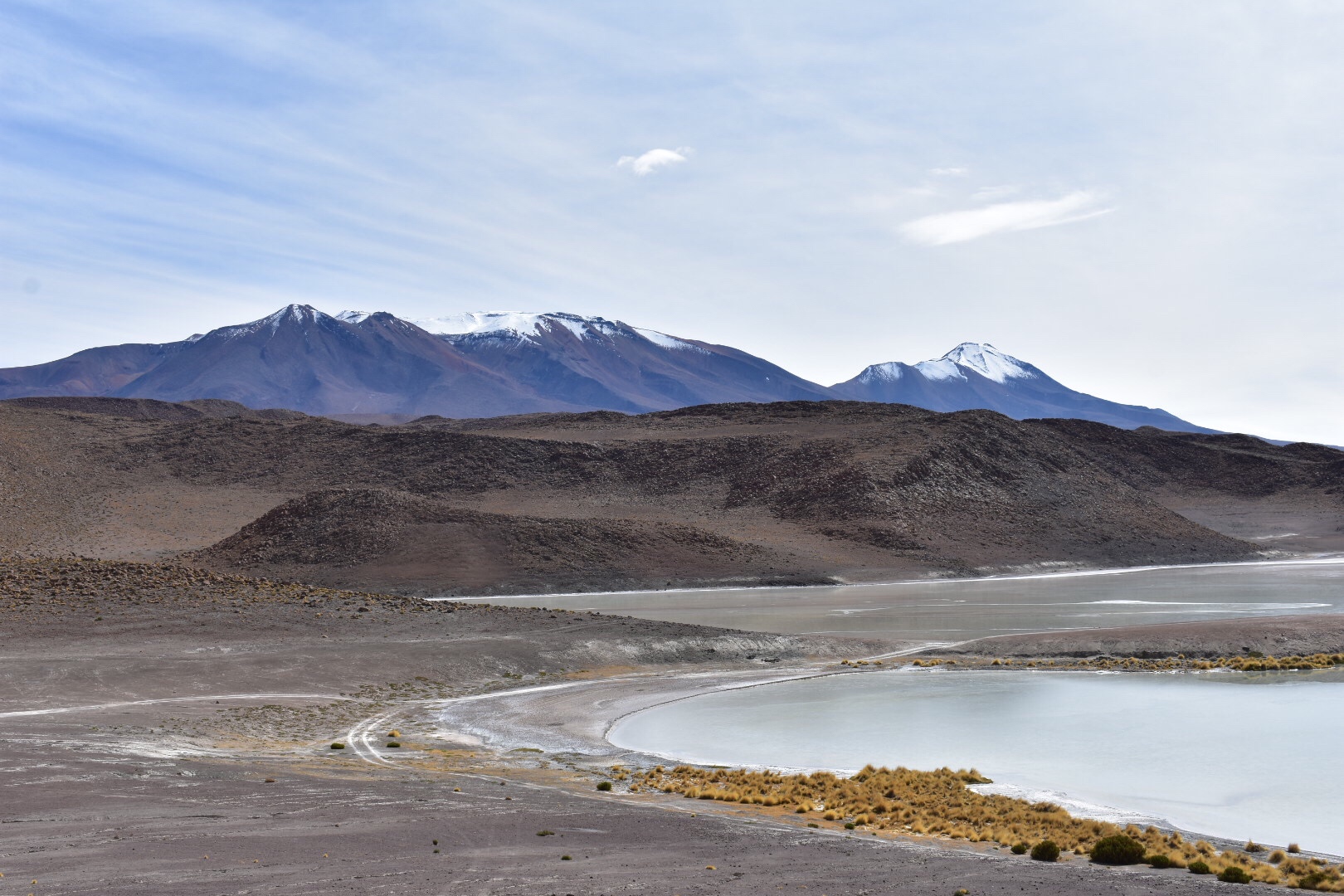
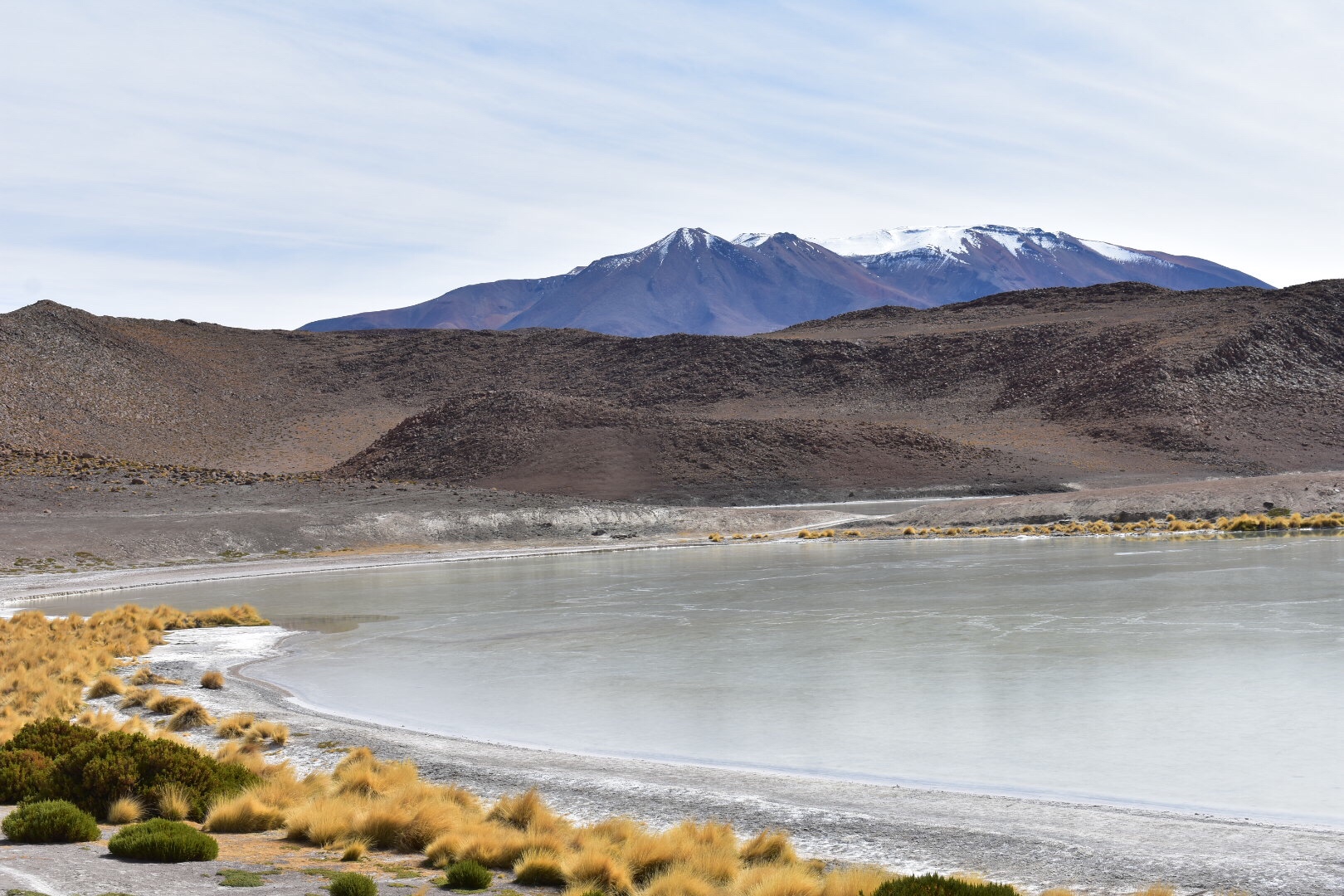
We then drove across to Laguna verde which didn’t really look very green to me owning to the cloud. We didn’t stay too long.

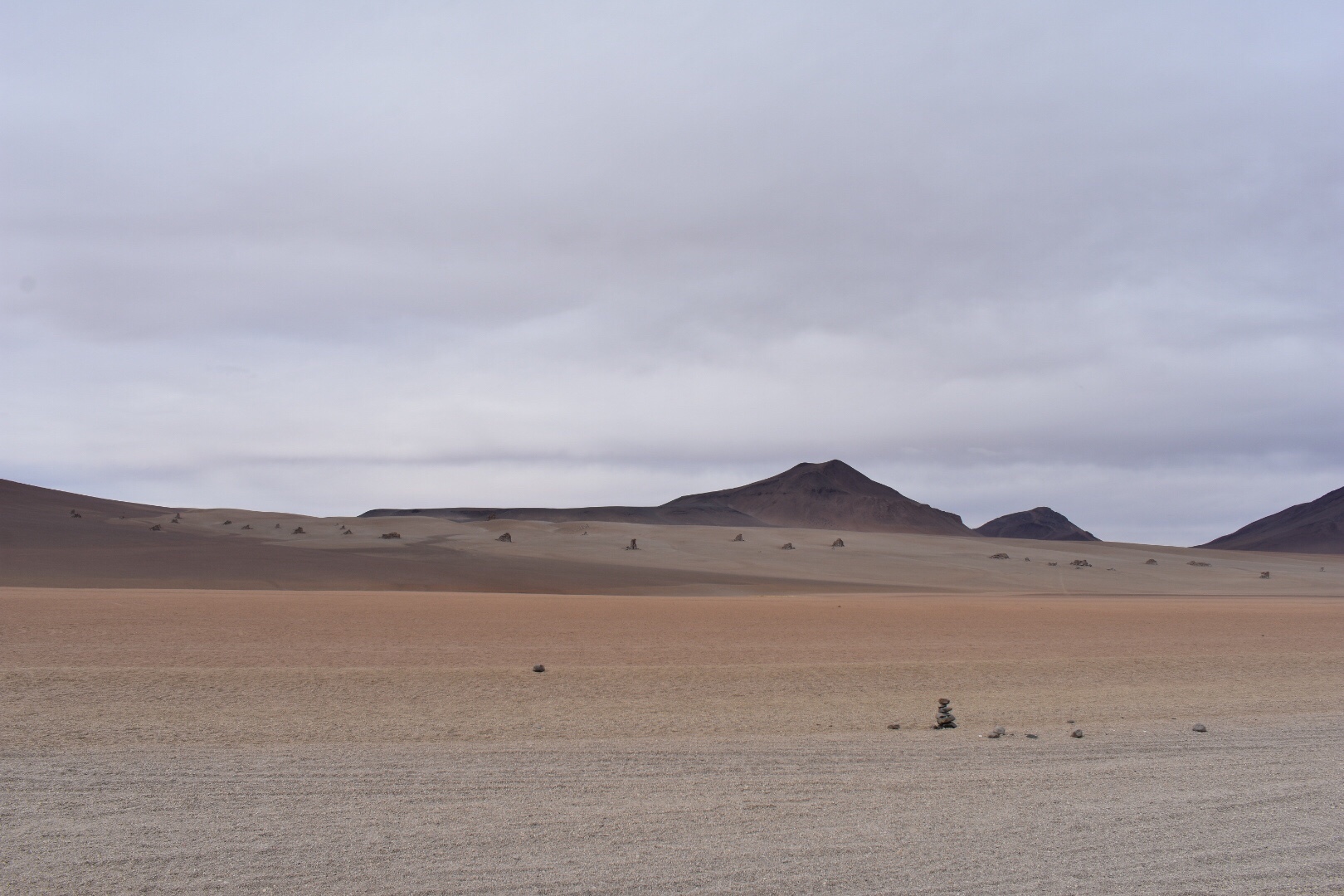
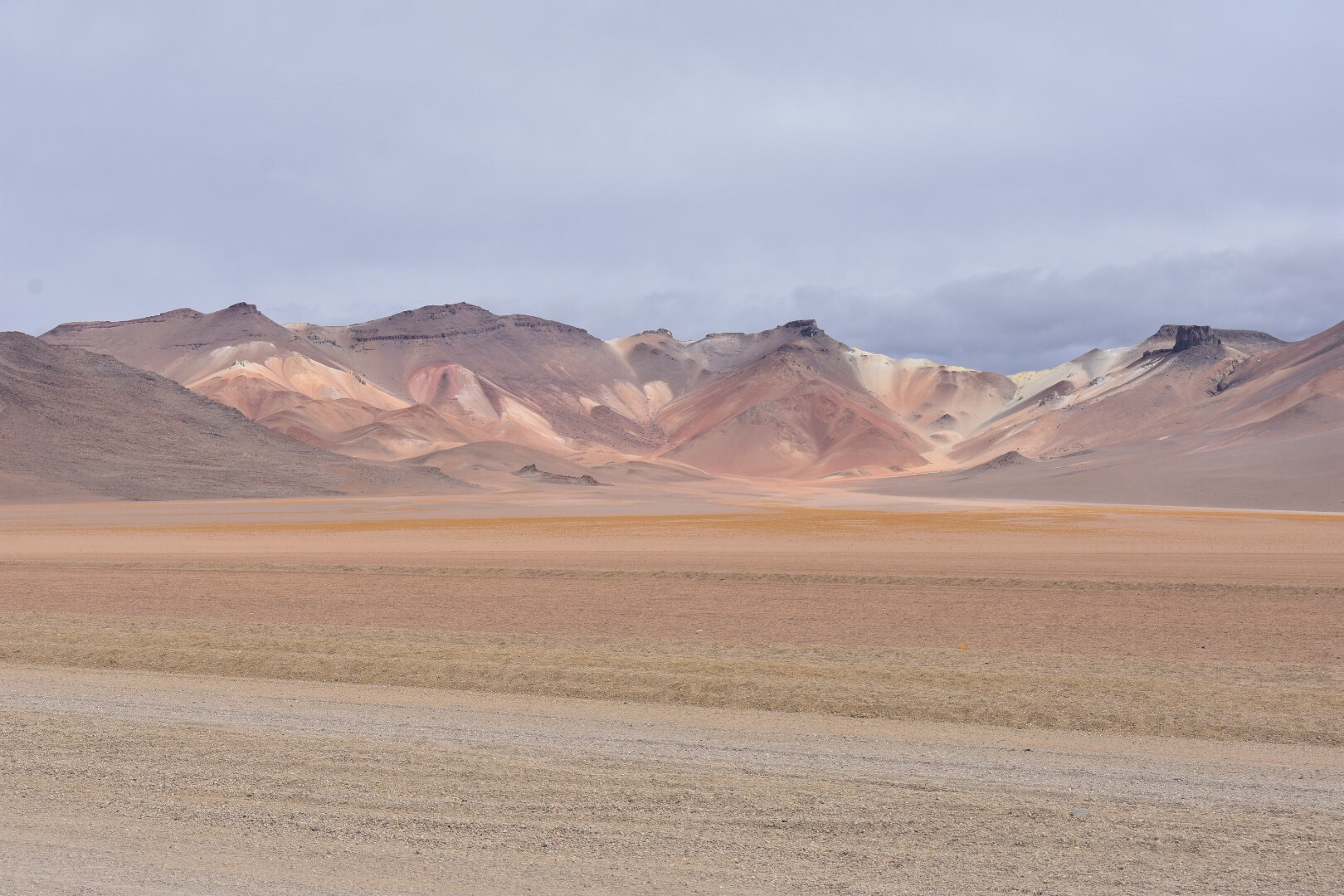
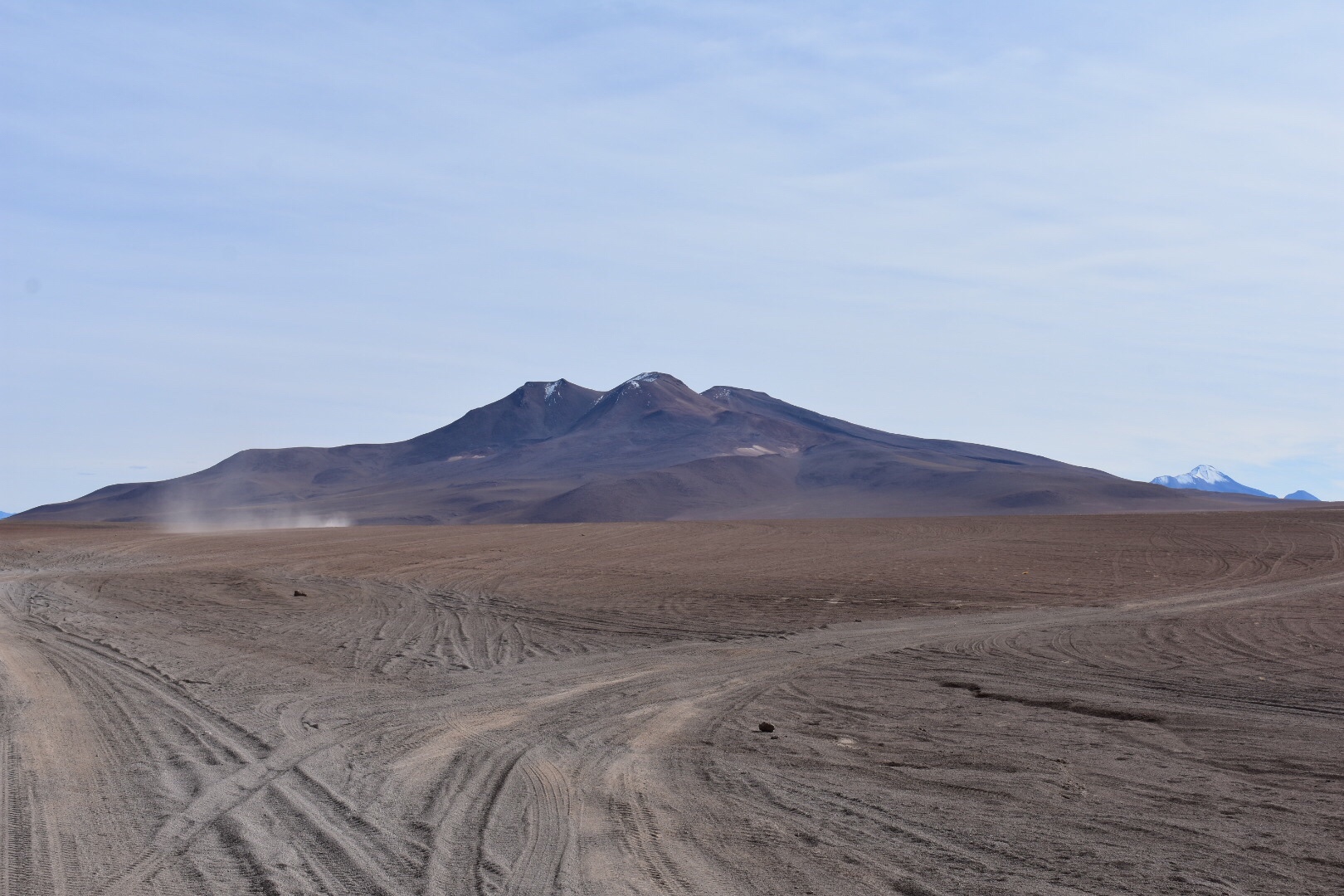
Then we stopped at this random place in the dessert. I don’t know why but I took photos.

Then we came to the hot springs. It was freezing and I very nearly didn’t go but after missing every other opportunity I figured that I should. So I stripped off to my trunks and very quickly jumped into the quieter of the two pools. After some time we changed pools and found the reason the other was busier is because it was hotter. I dreaded getting out but it’s wasn’t as bad as I thought. Mostly because my body was so warm from the pools. We were told to stay for only 20minutes and I’m not sure if I stayed too long but this is where the altitude started to hit me.

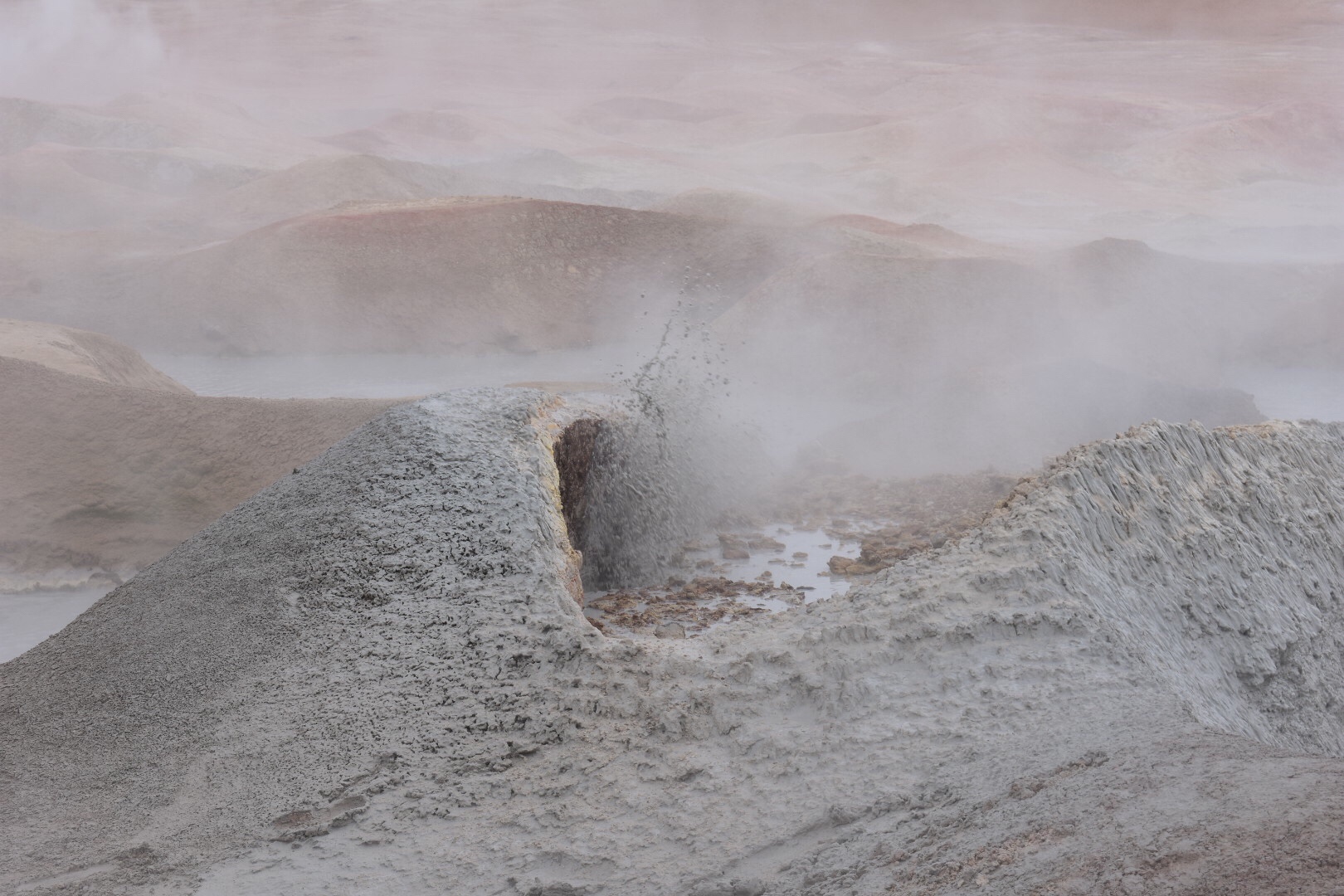
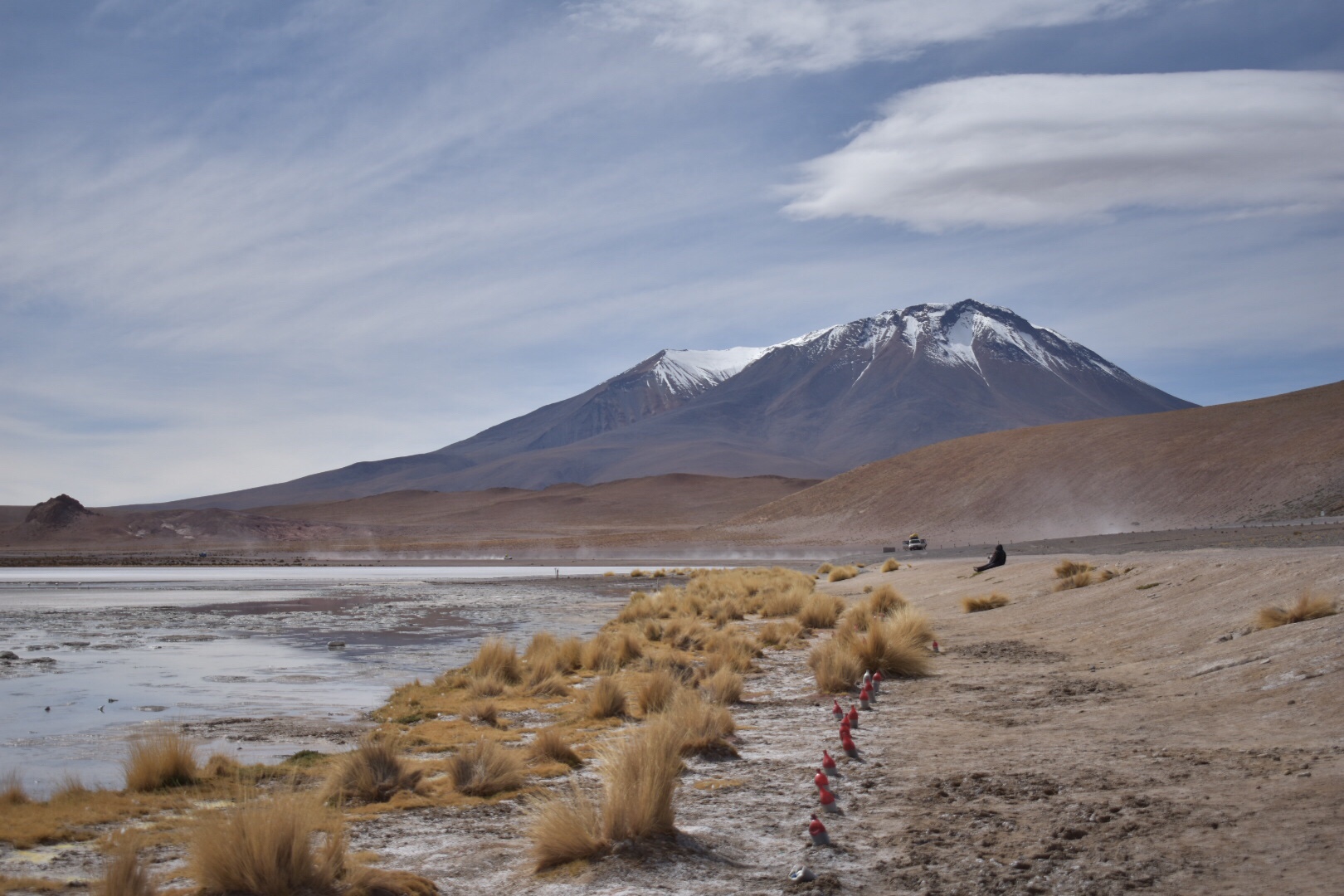
Next up was the thermals and these were at an altitude of nearly 5000 metres and there were still mountains towering above. Call me stupid but I never realised that flat land could be this high. I just assumed that it was mountains but no there is tonnes of flat as you can see from the pictures. I think I’ve said this before but London is 35 metres above sea level. So go outside and look up at the clouds and that is how high I was. Again I don’t know anything about the thermals but they stank and bubbles away so I took pictures as any good tourists would.

We stopped for lunch at our accommodations, which had no heating and was well above 4600 metres. On the first night we were in a 6 person dorm but with all the extra sleeping bags and blankets we were cozy and warm. Lunch was again delicious and I broke out the dice for the first time in months and everyone really got into Perudo which was nice.

I was still suffering quite badly so I made myself some tea from the random herbs I brought in San Pedro. It tastes gross but it did help and I drank a lot of water.

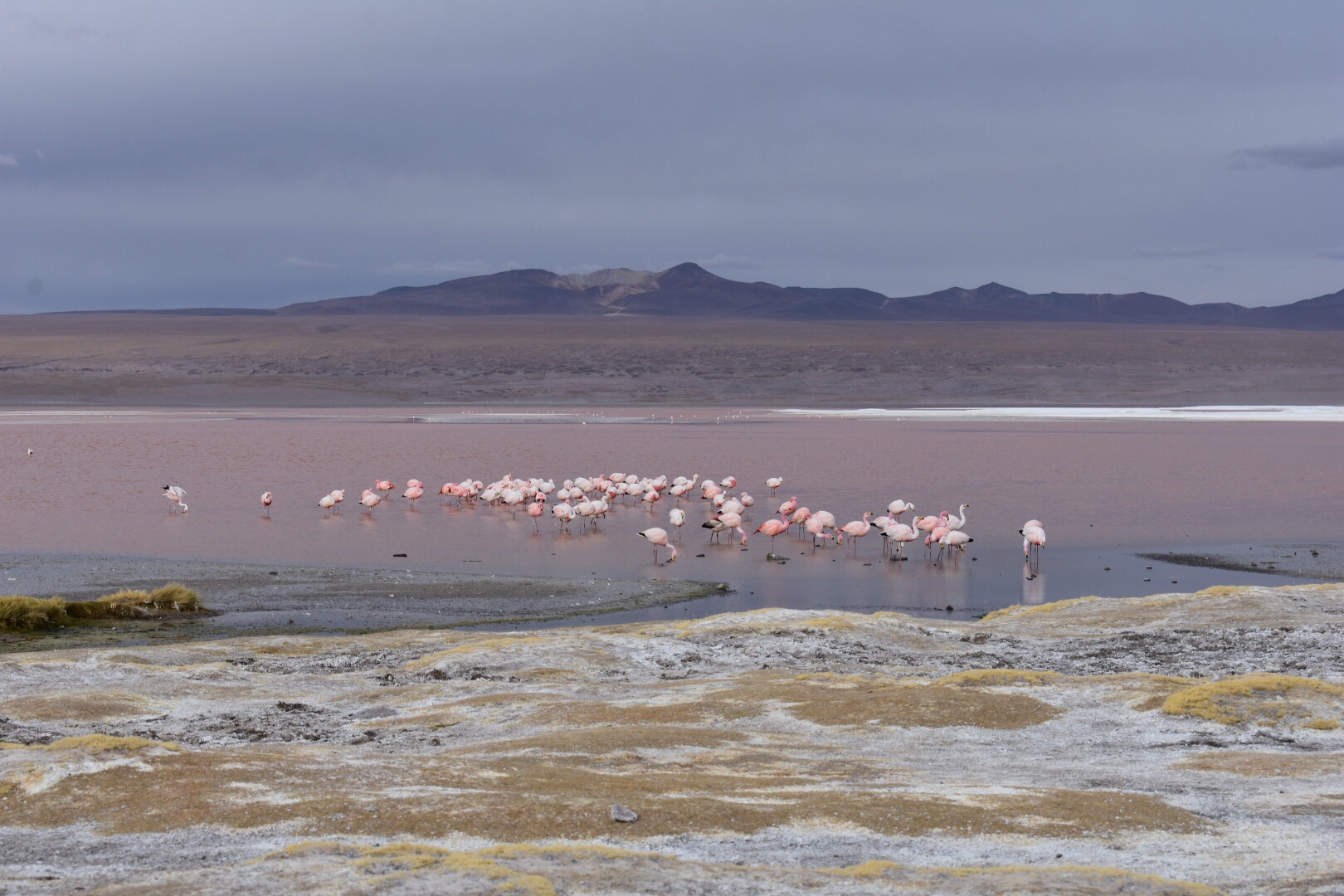
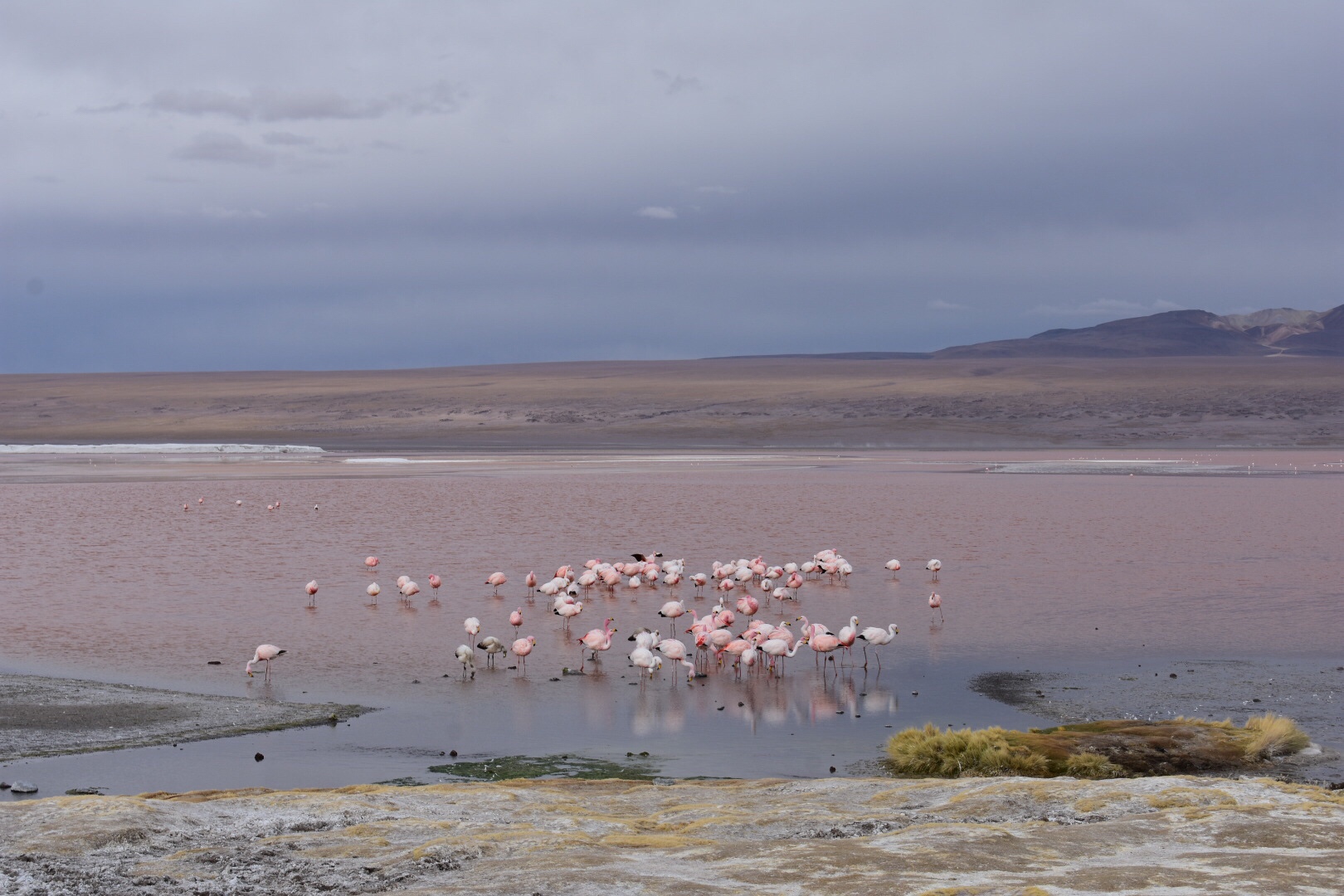
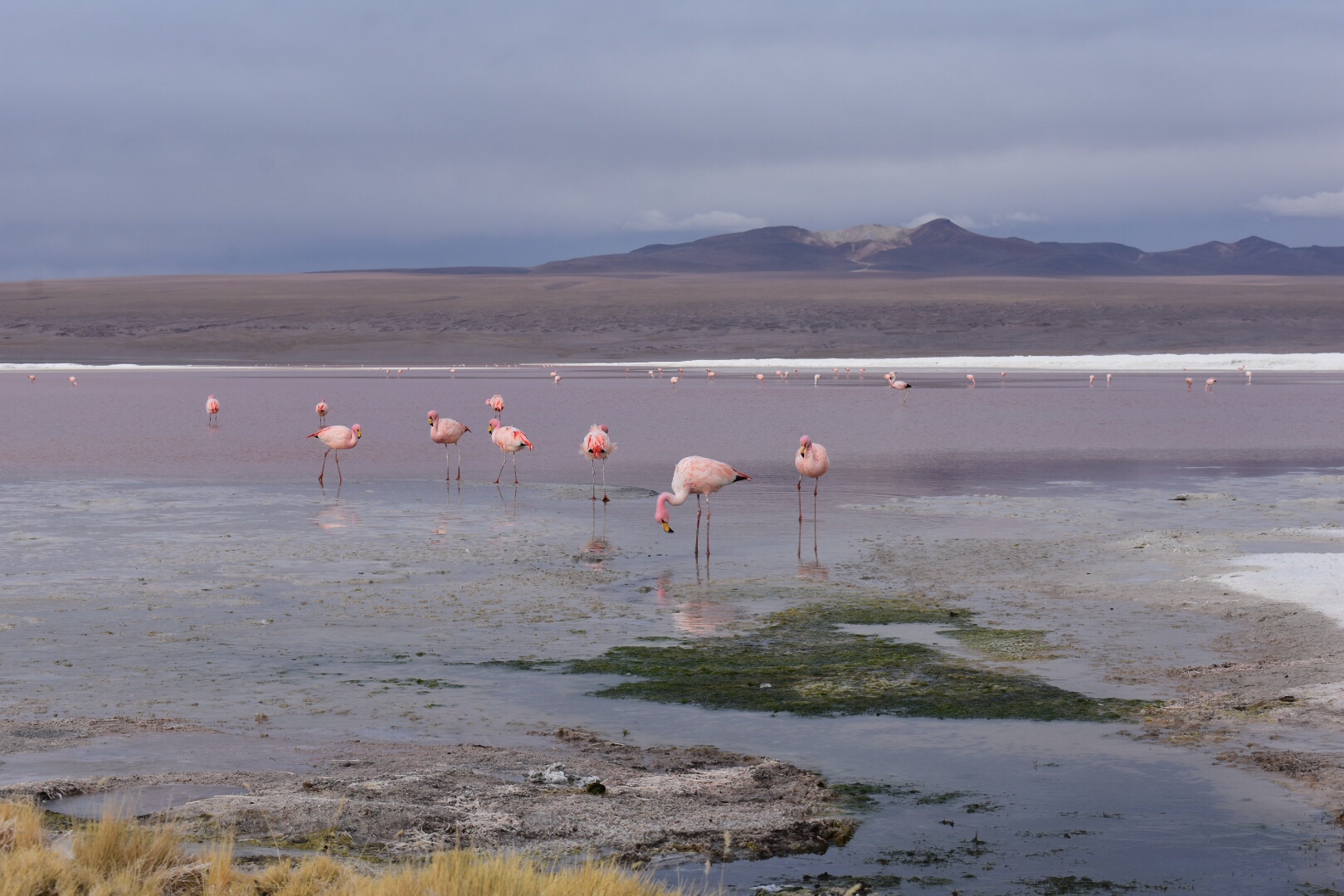
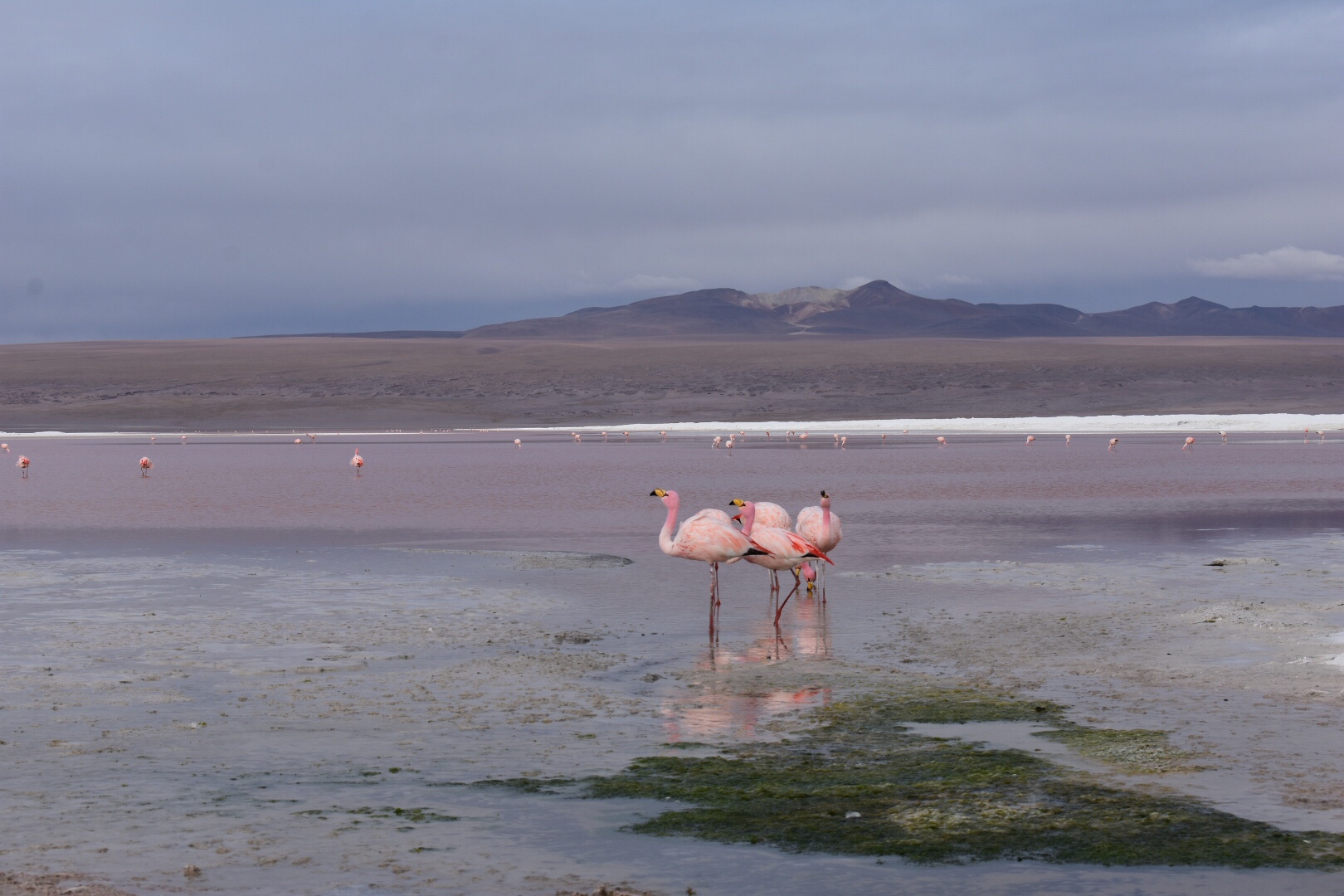
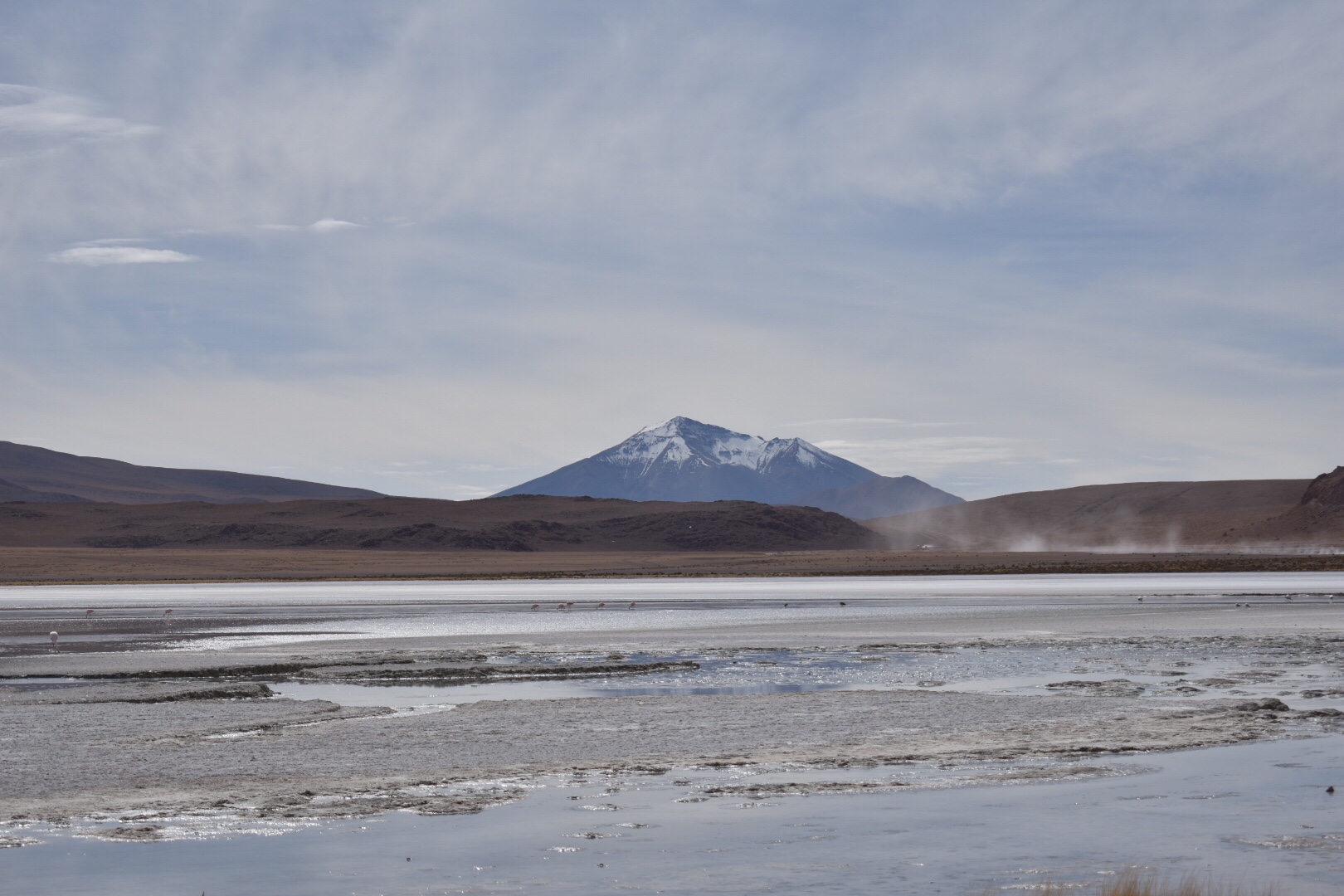
After lunch we headed to this red lake with flamingos. Again I don’t really know anything about t other than it was so cold. This time I was having trouble walking due to the altitude. If I walked any faster than a crawl I was left fighting for breath. Once I realised my limits it was okay and I felt like and old man hanging out at the back. Benny was kind enough to stay back with me to make sure I was okay.

After the lake we headed back to the accommodation had dinner and went to check out the local shops. There was a bar that we visited but all declined a drink due to the altitude and ended up in bed by 8pm after another game of Perudo.

Day Two

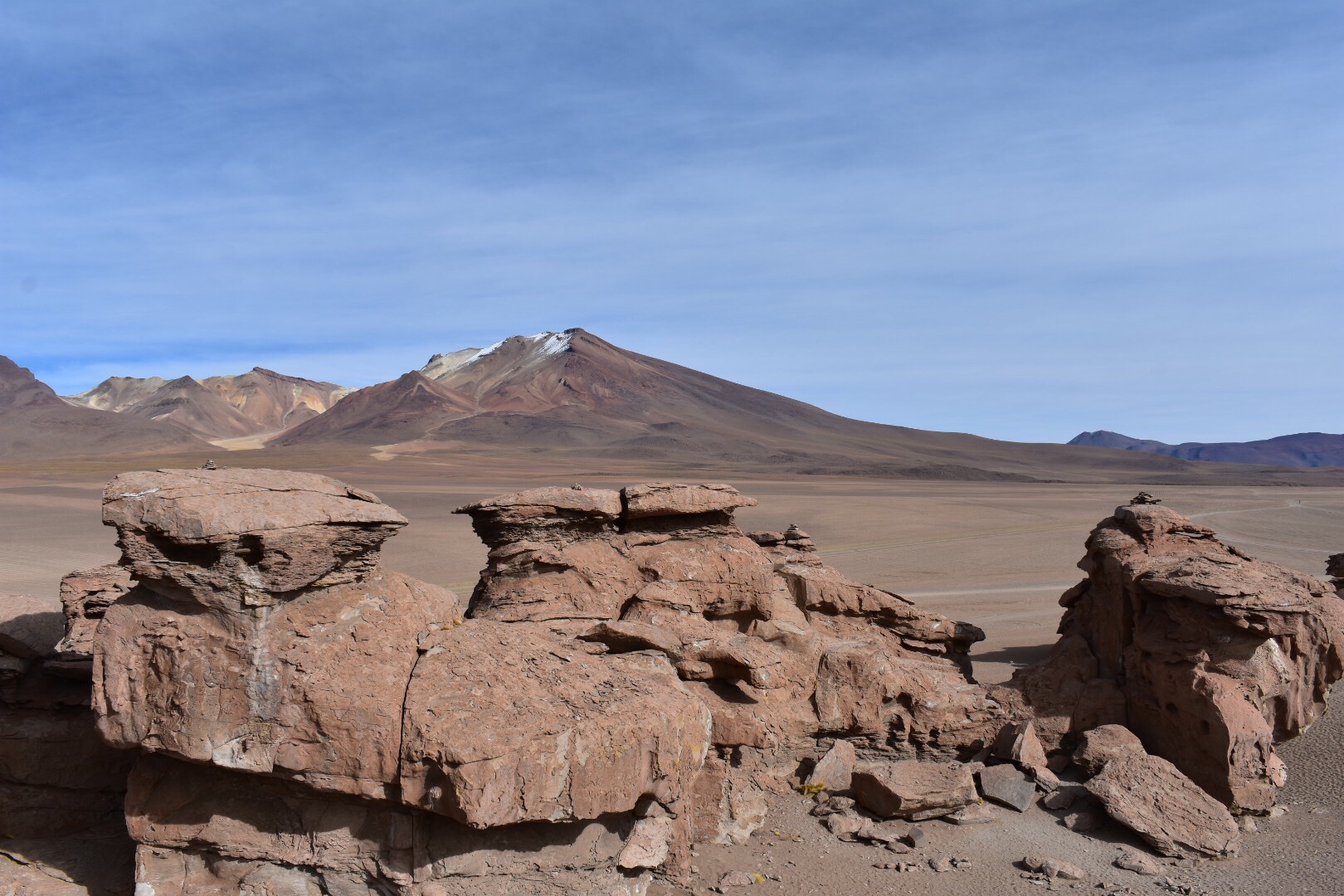
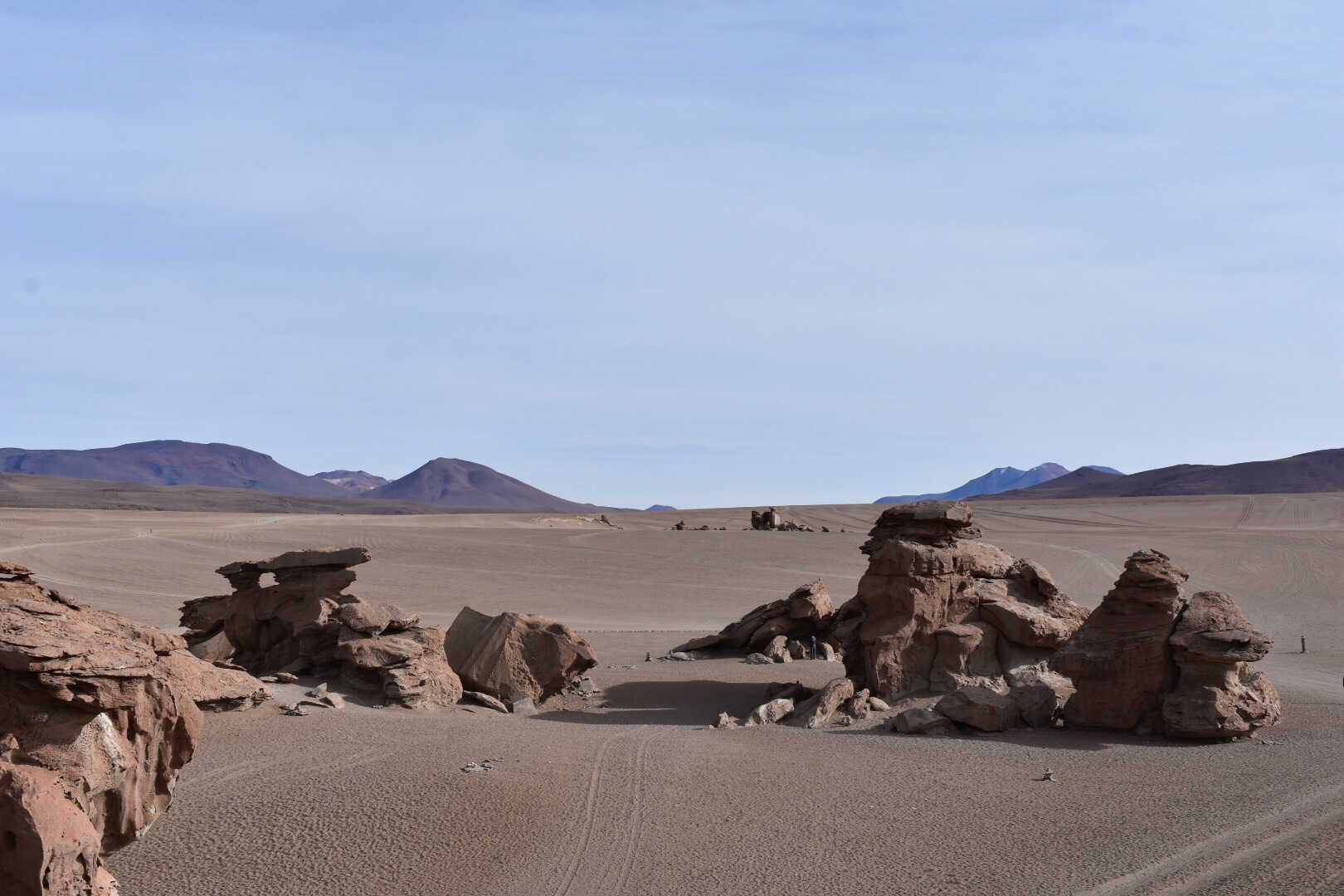
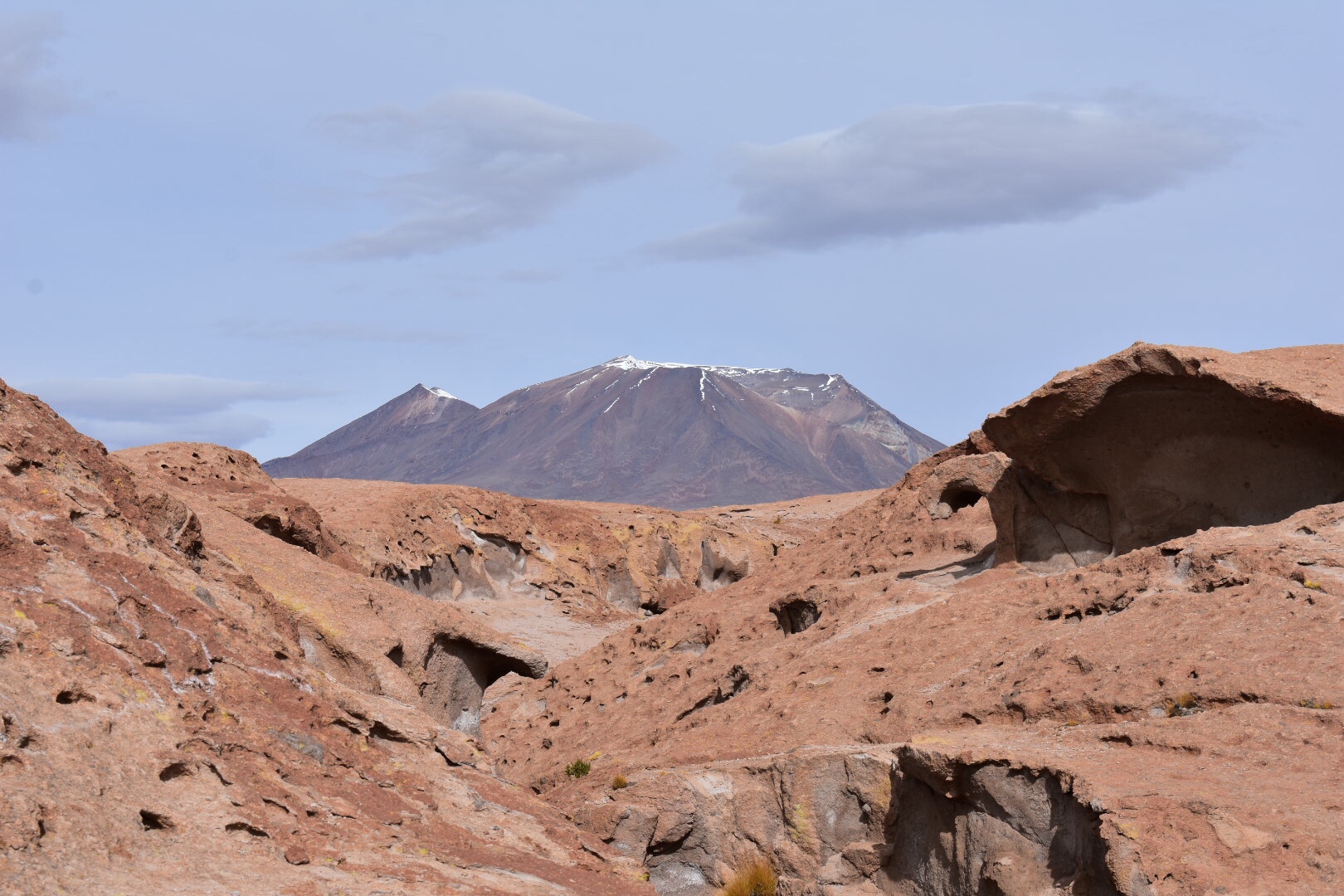
We had breakfast at the hotel and headed out early to some rock formations in the middle of the dessert. There was nothing to say we couldn’t climb on the rocks so we did. At one point Niklas and I tried to climb up one set and were blocked. Ruben and Benny scrambled straight up other formations and later Melanie was kind enough to take some photos of me posing.

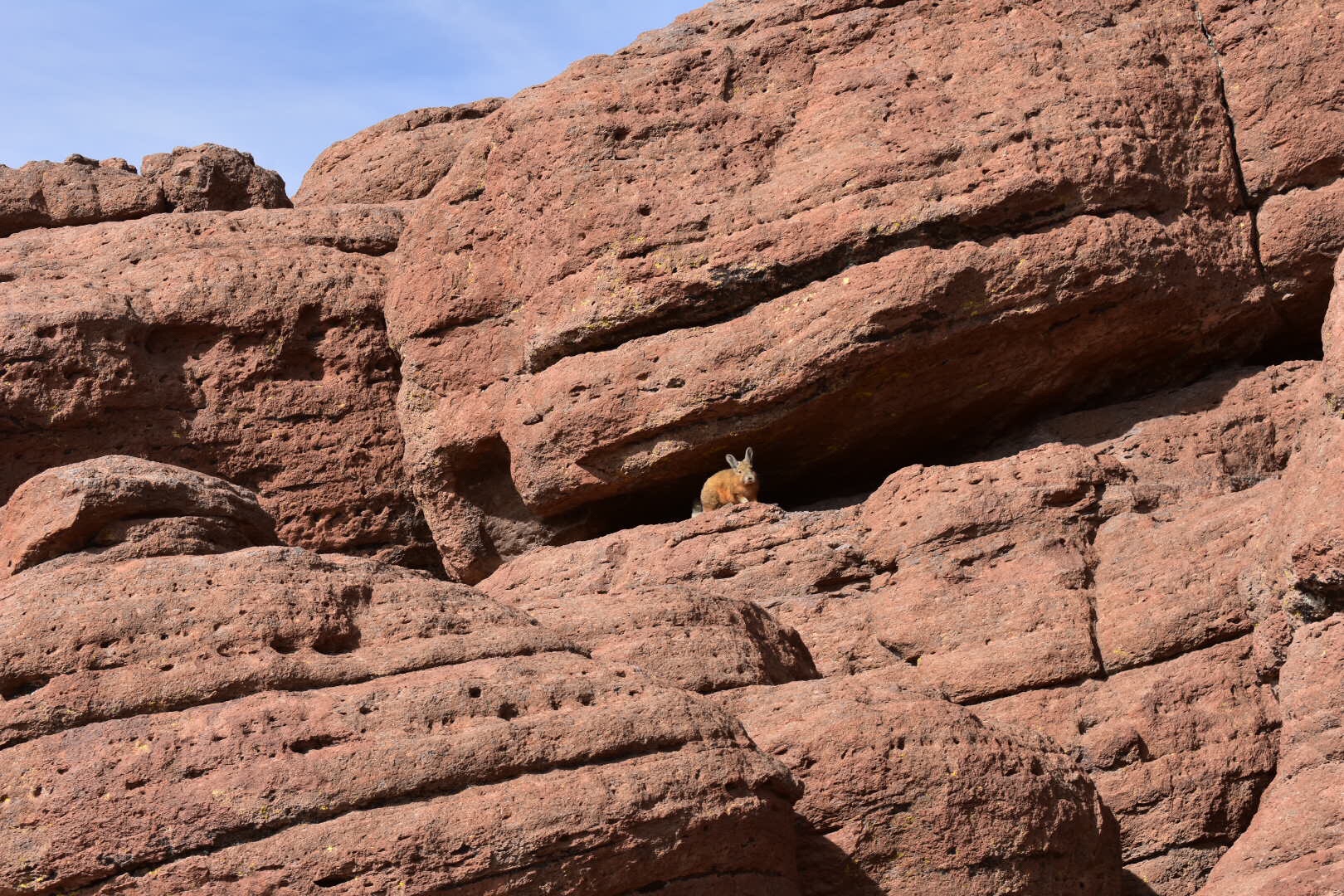
We moved on to another set of rocks which was home to some rabbits. Well kinda rabbits.

And then stopped in the middle of the desert. There was a great song on the raído and Simone turns it up so we had an impromptu disco. I have a video but I don’t know how to upload it here.

After another long drive and passing a load of cyclists who were doing the same tour as us, but on bikes, some people are just crazy!

We ended up at another salt lake, again I don’t remember the name, but Emma helped me take one of the best photos I’ve taken on the trip. I’ll let you decide which one.

We stopped by another lake for lunch.

And when we headed on we all thought that we could see a camel in the mountain. It turned out that that we were all seeing different camels but let me know if you can see one.

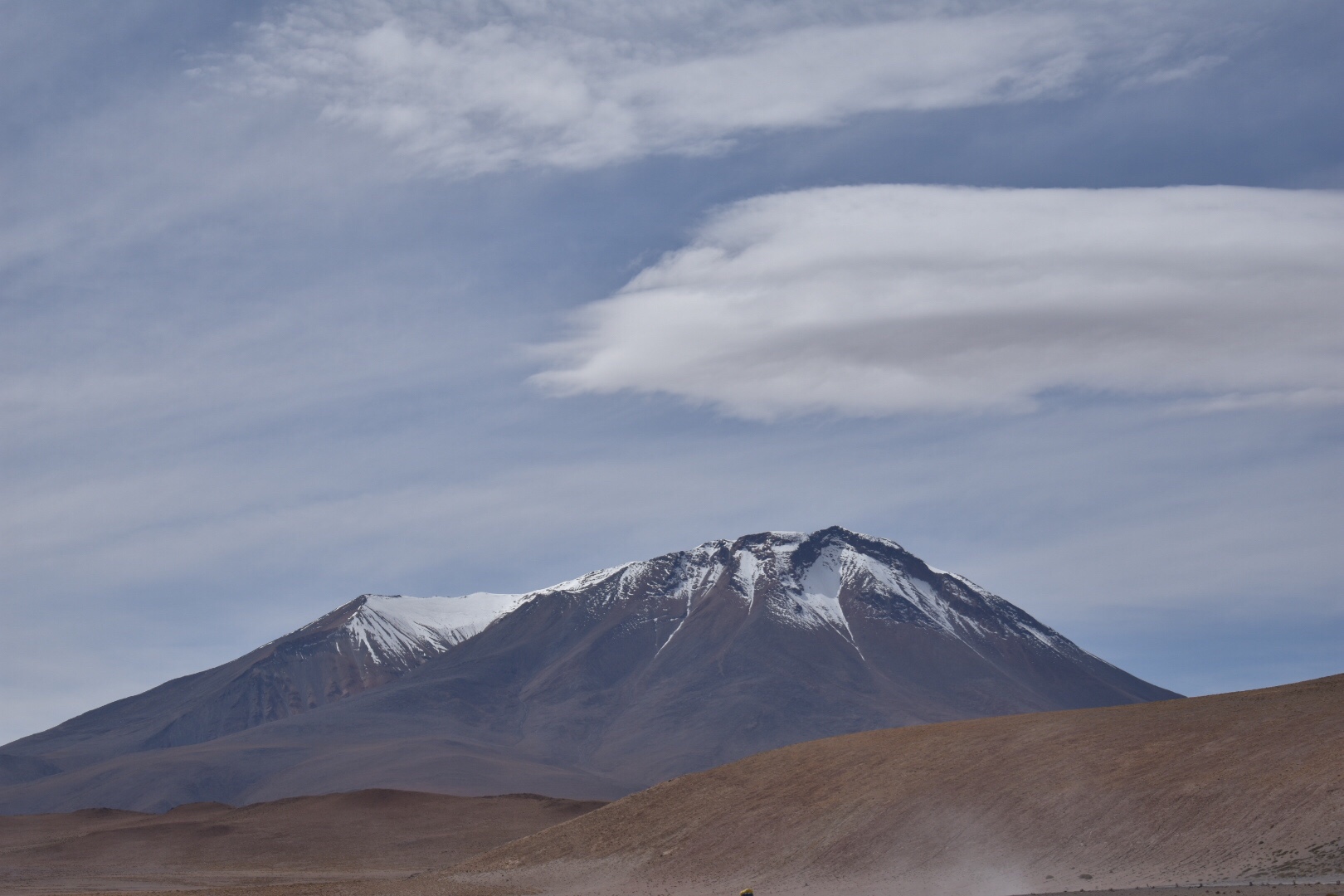
The next stop off was stop to see an active volcano. There was also a sign saying that we couldn’t do something but I still have no idea what.

After this stop I was able to ride shotgun and managed to snap some shots of the dust thrown up by the trucks.

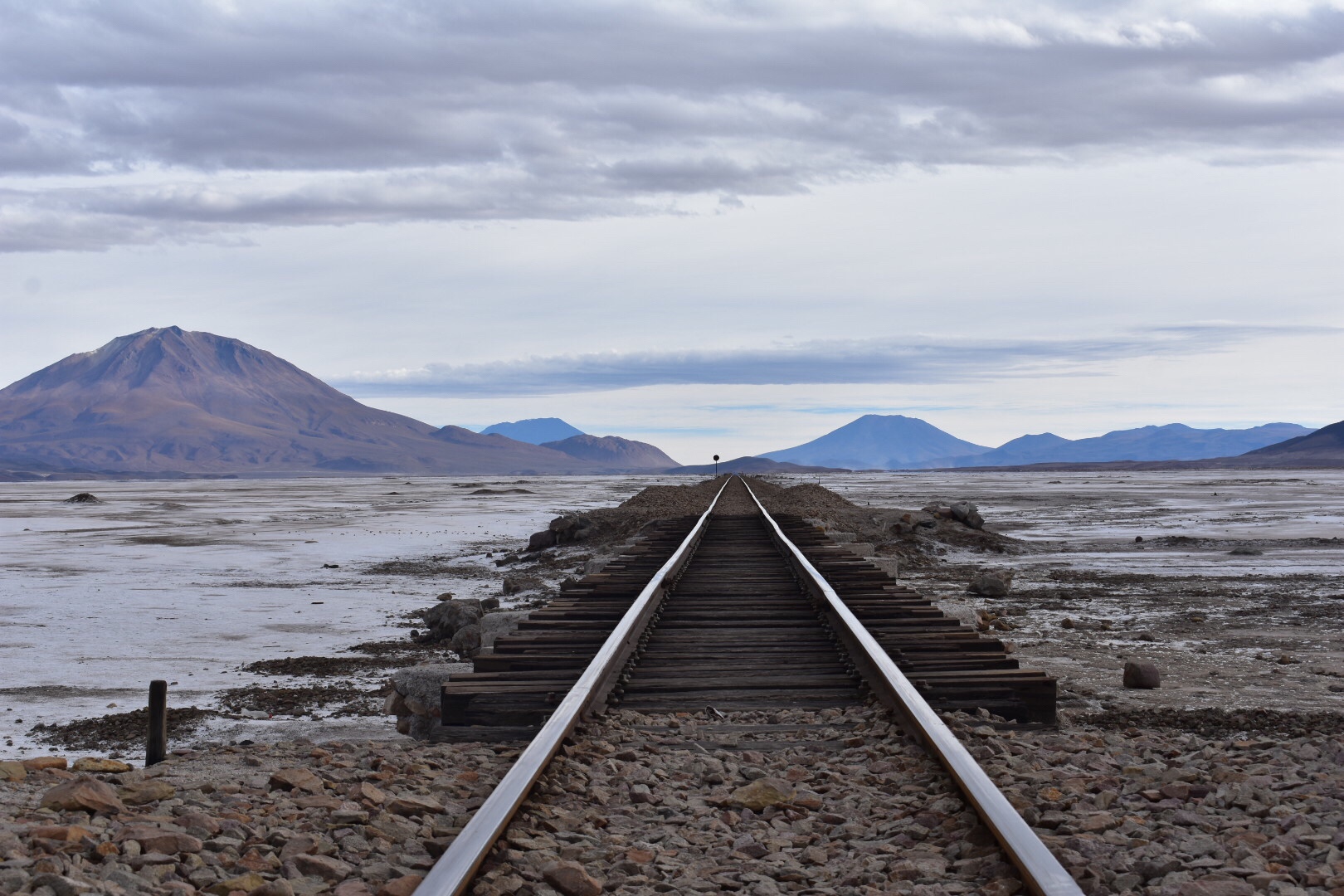
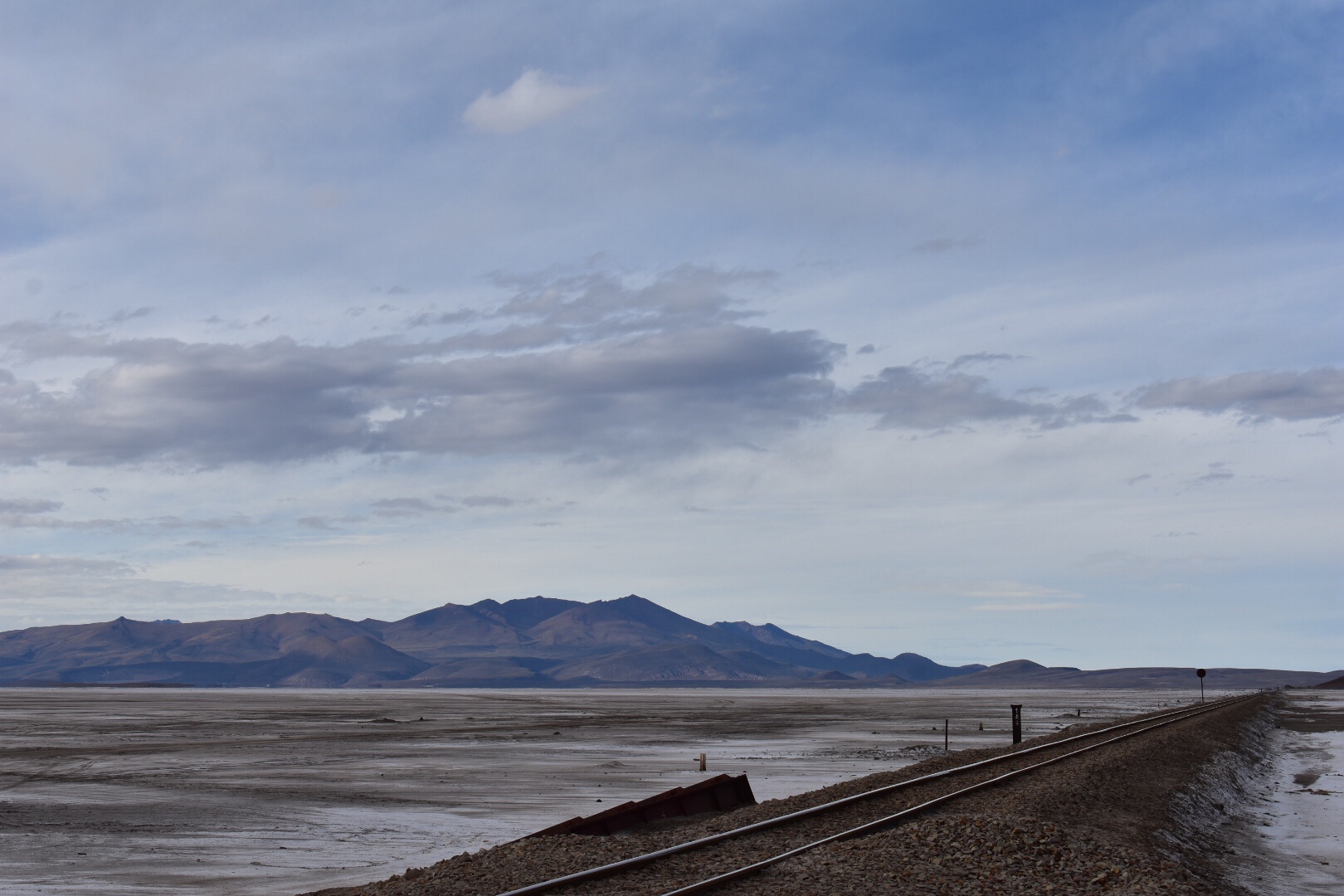
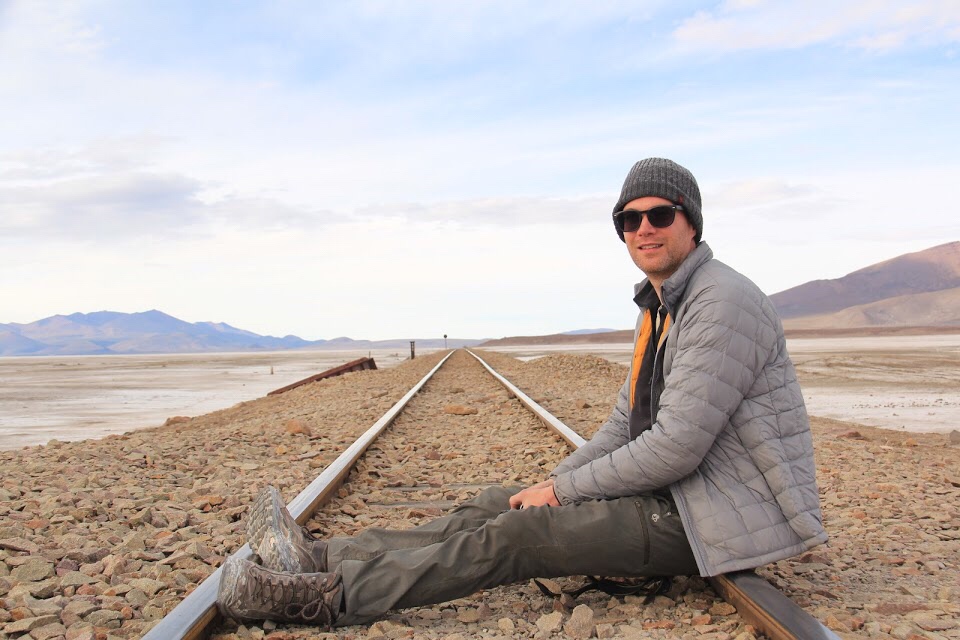
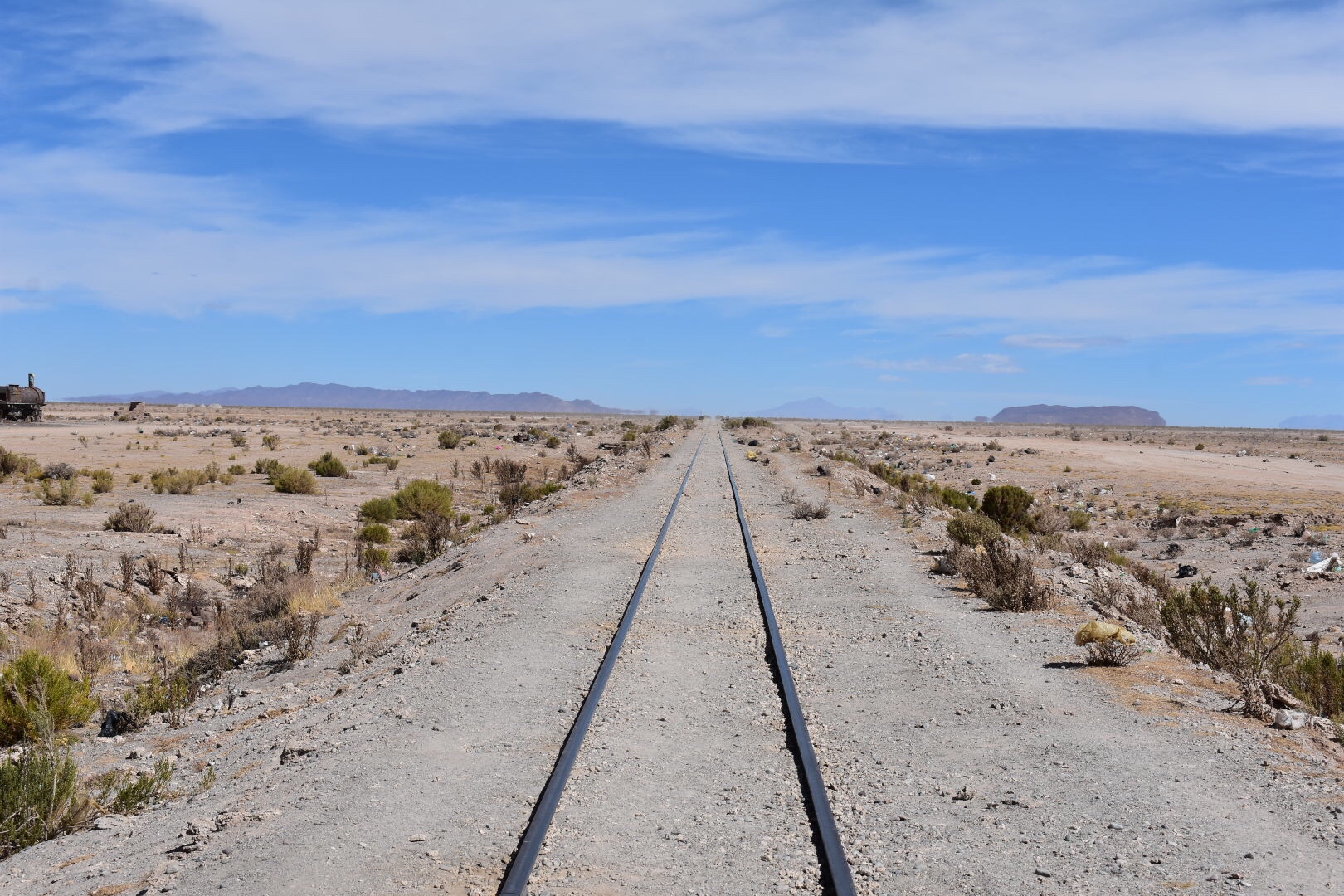
the final stop of the day was the train line. I managed to tick off another bucket list item by sitting on the tracks. Before you worry there are only two trains a week and it’s easy to see if any are coming. Melissa took some really nice group shots with her camera and We took Benny hostage for fun.

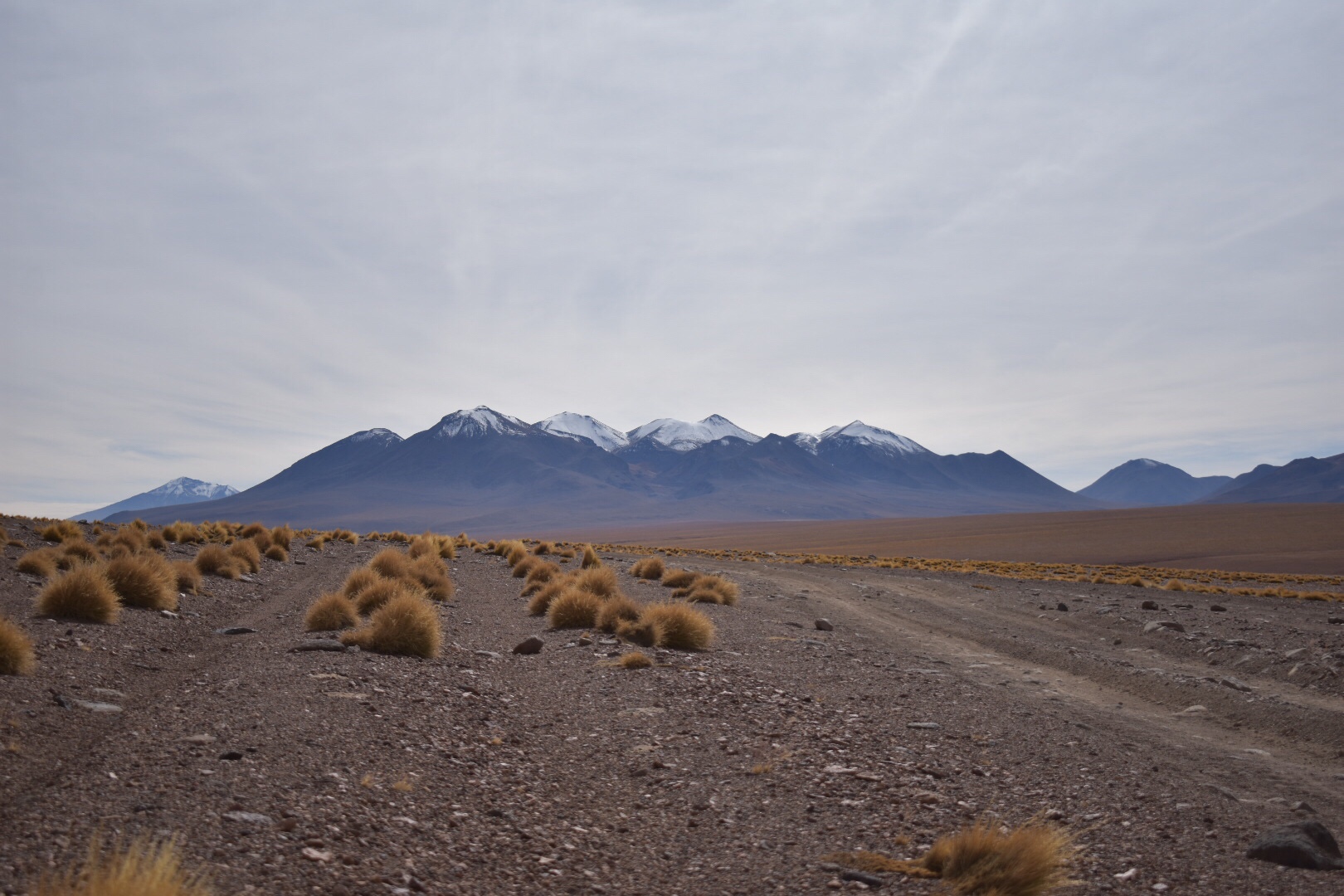
Again I rode upfront and took some. More shots. It’s really interesting to drive though this dessert as you can’t believe how far away the mountain are in the distance. We never seemed to reach them despite driving for miles and miles.

We arrived at our second hostel which had salt for carpets and had hot water-In one shower only. We convinced Simon to drive us to one of the shops to get some cactus beer and opted to get up at 5am to see the sunrise on the Salt Flats. But not before we drank the beer, played a few games of Perudo and were mobbed by the children.

Day Three

I had yet another early rise and it was getting ridiculous as to how many early morning a I had had in the past 12 days. It was absolutely freezing too. I ended up in the front seat which had become much less popular since the door on the passenger side had broken meaning I had to climb over everything but also I was able to get the warmth from the engine which was good. We set of in the dark and soon light started showing over the horizon. I snapped a couple of photos but the jerky ness of the car made it impossible to get anything in focus but I really like the first photo.

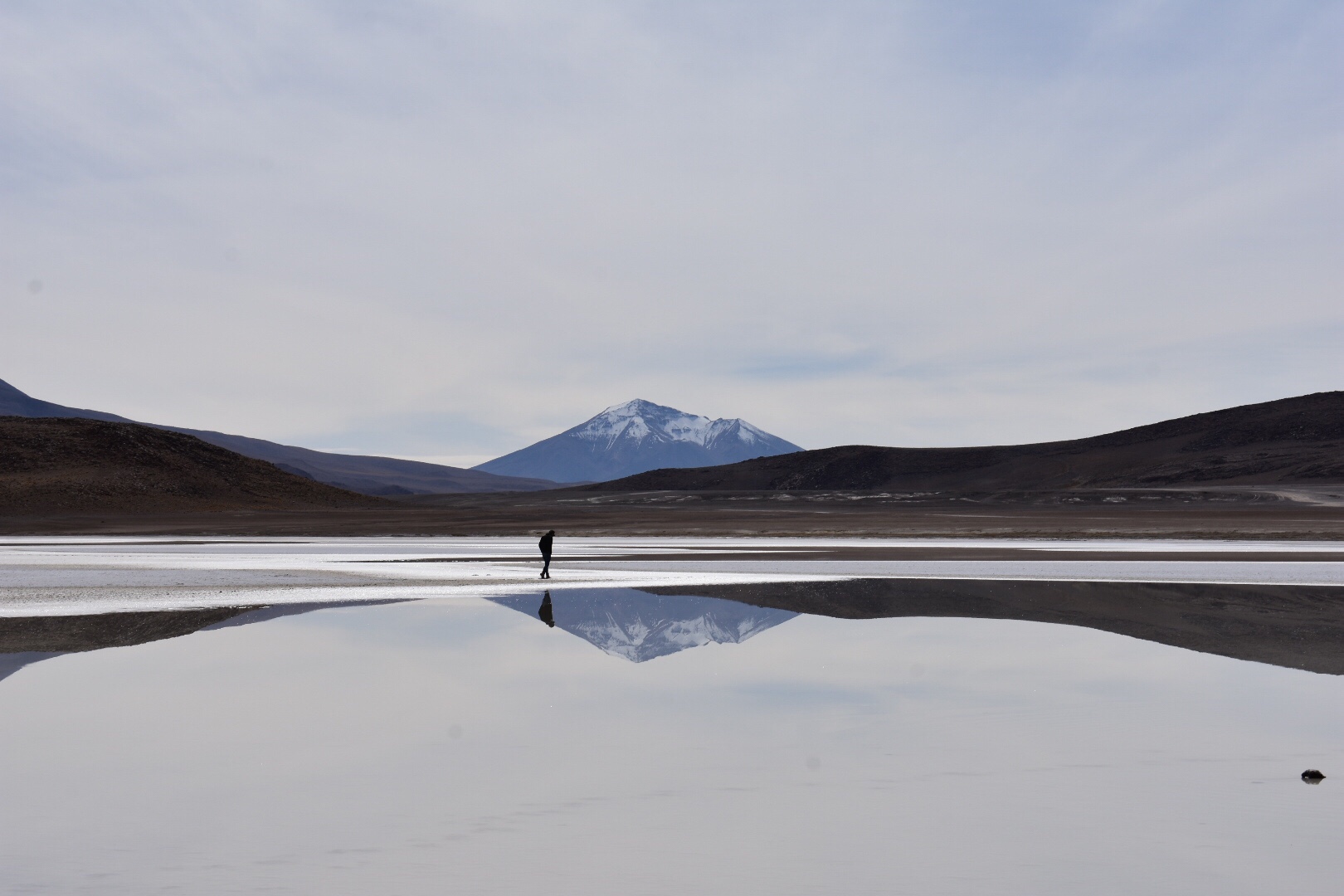
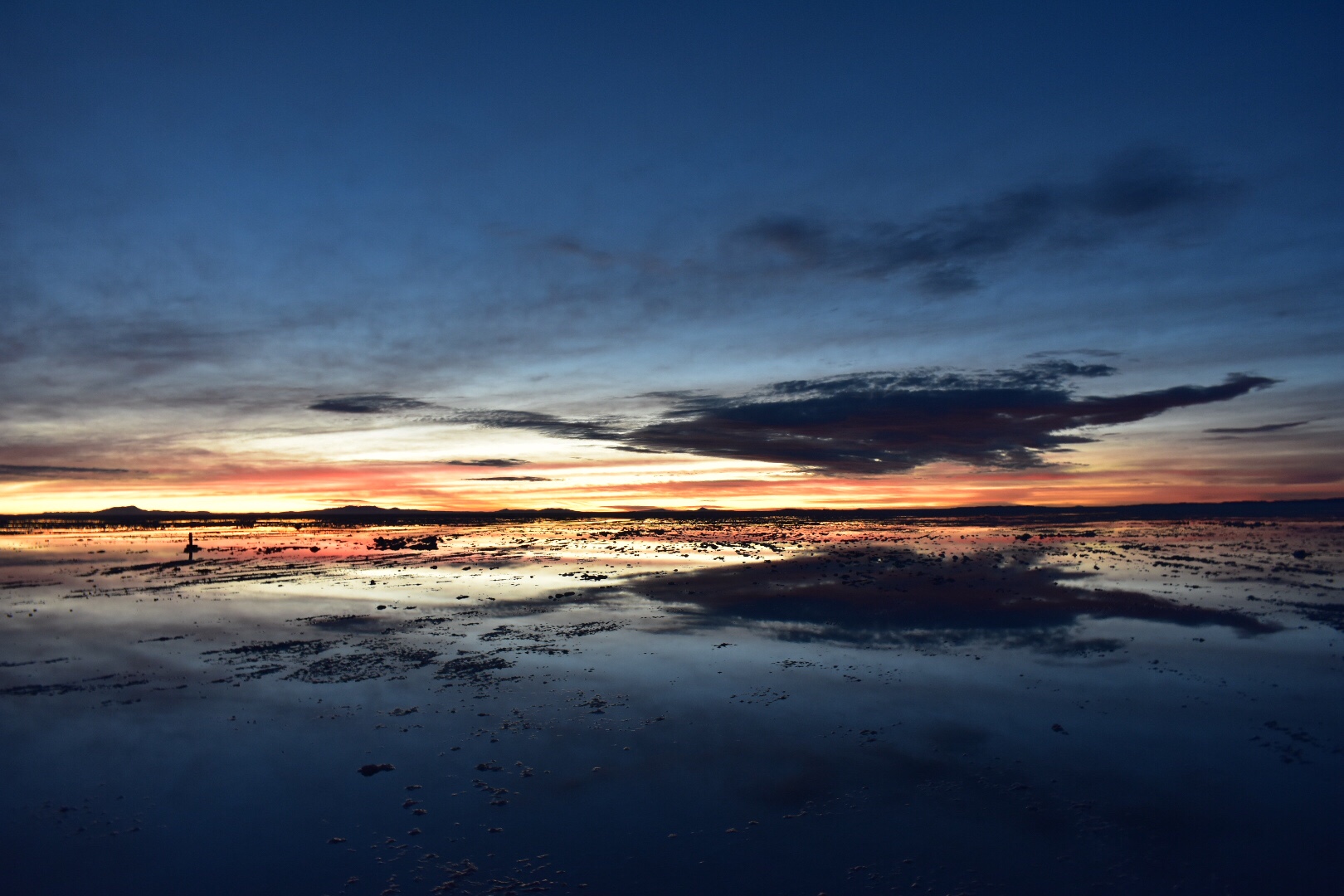
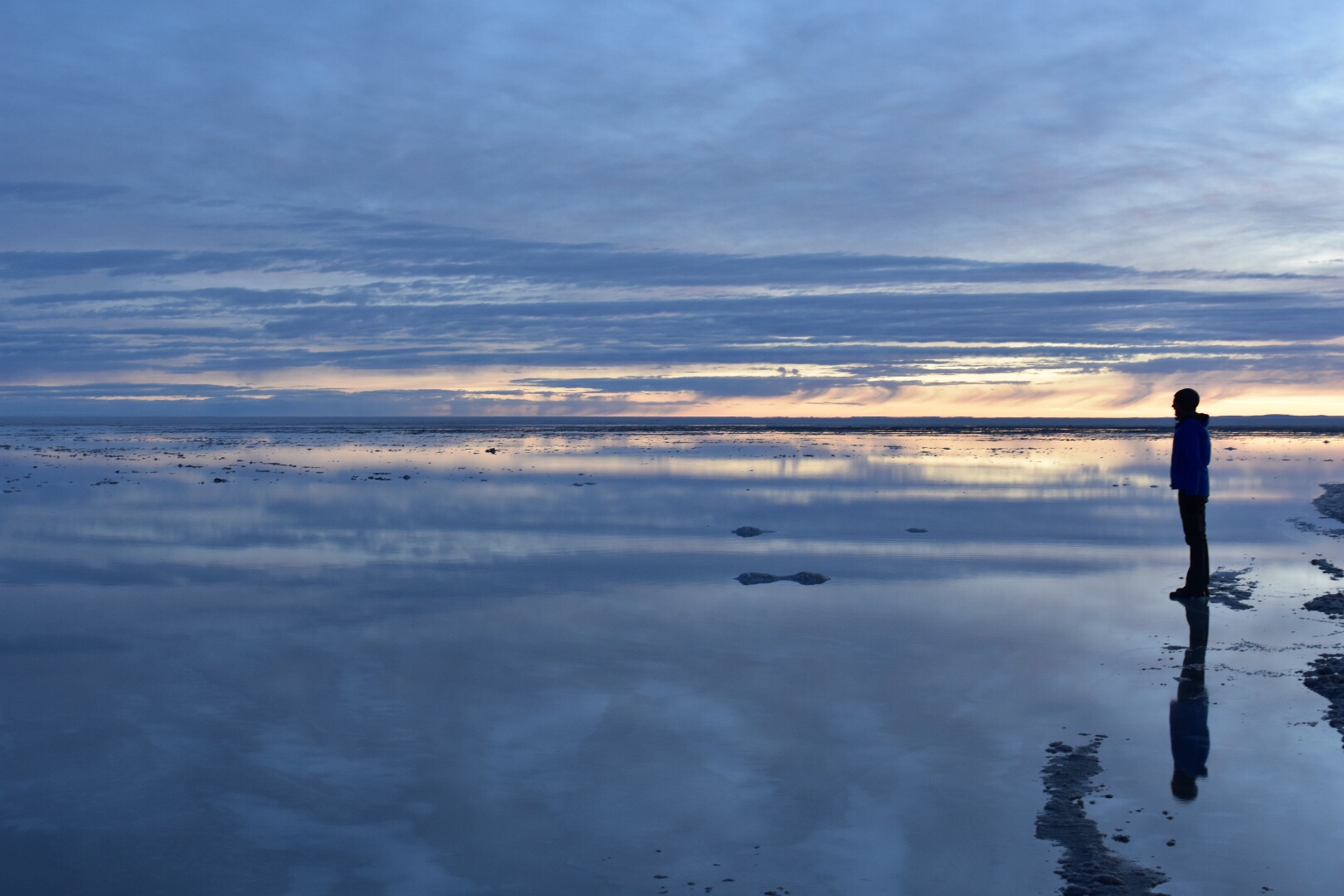
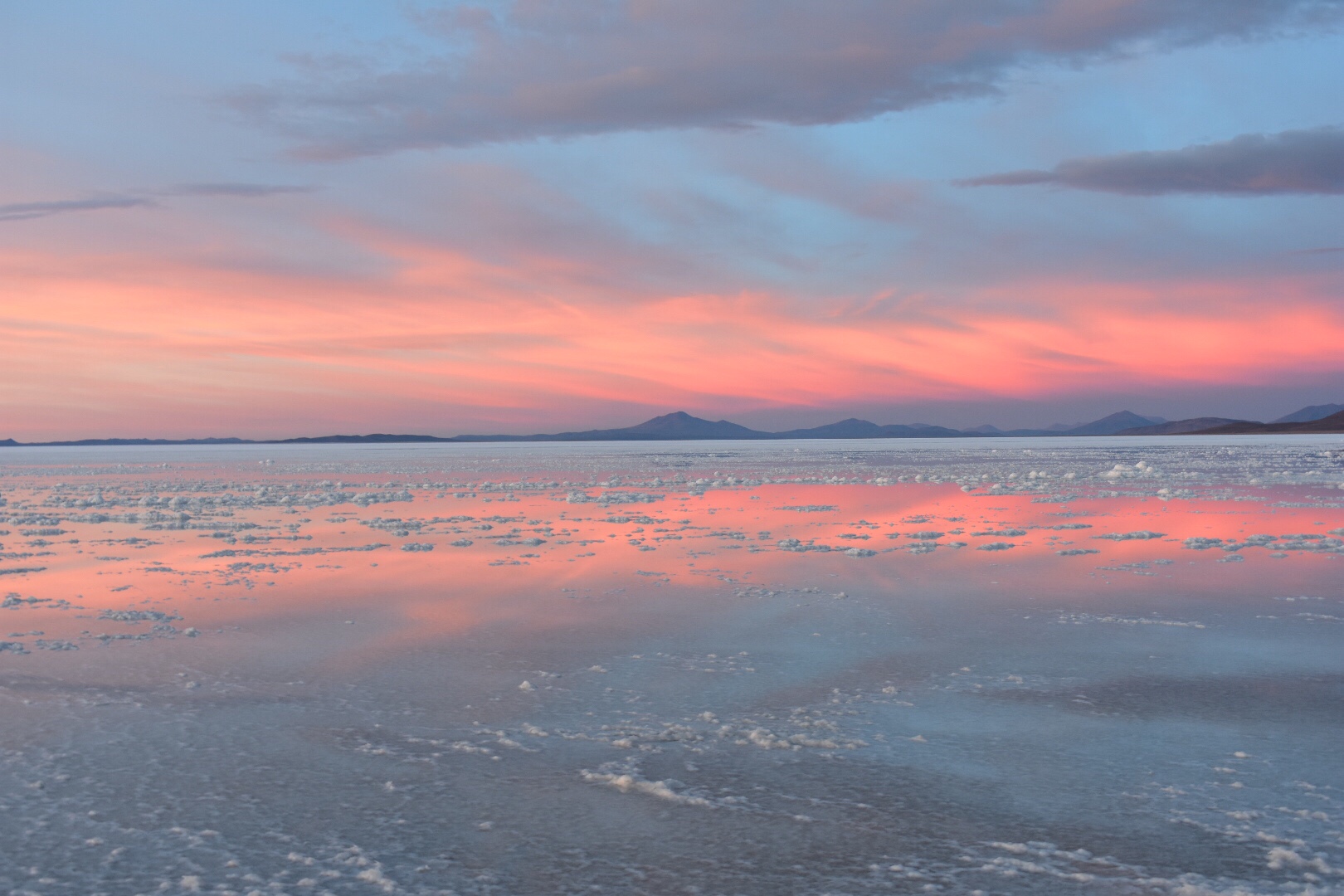
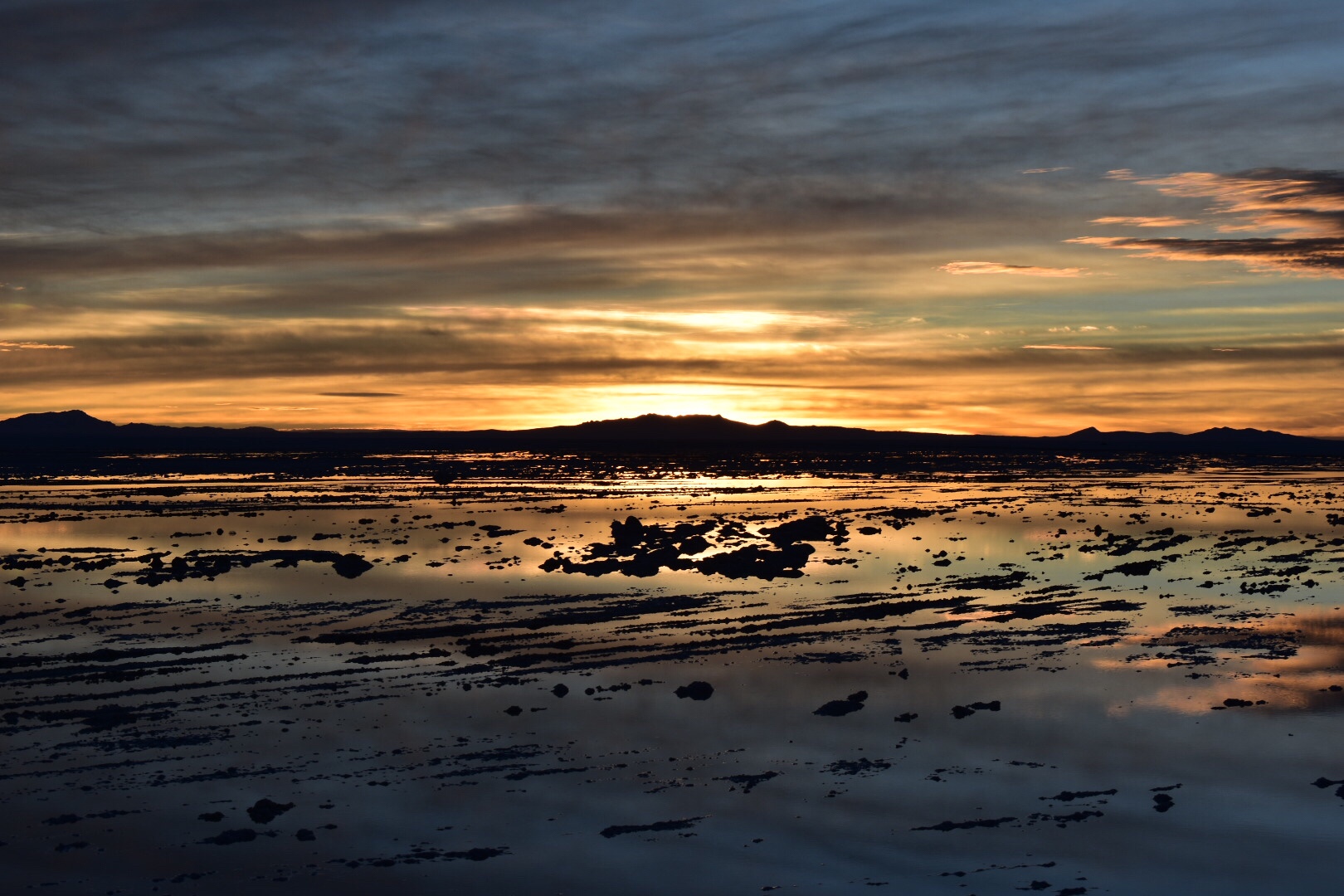
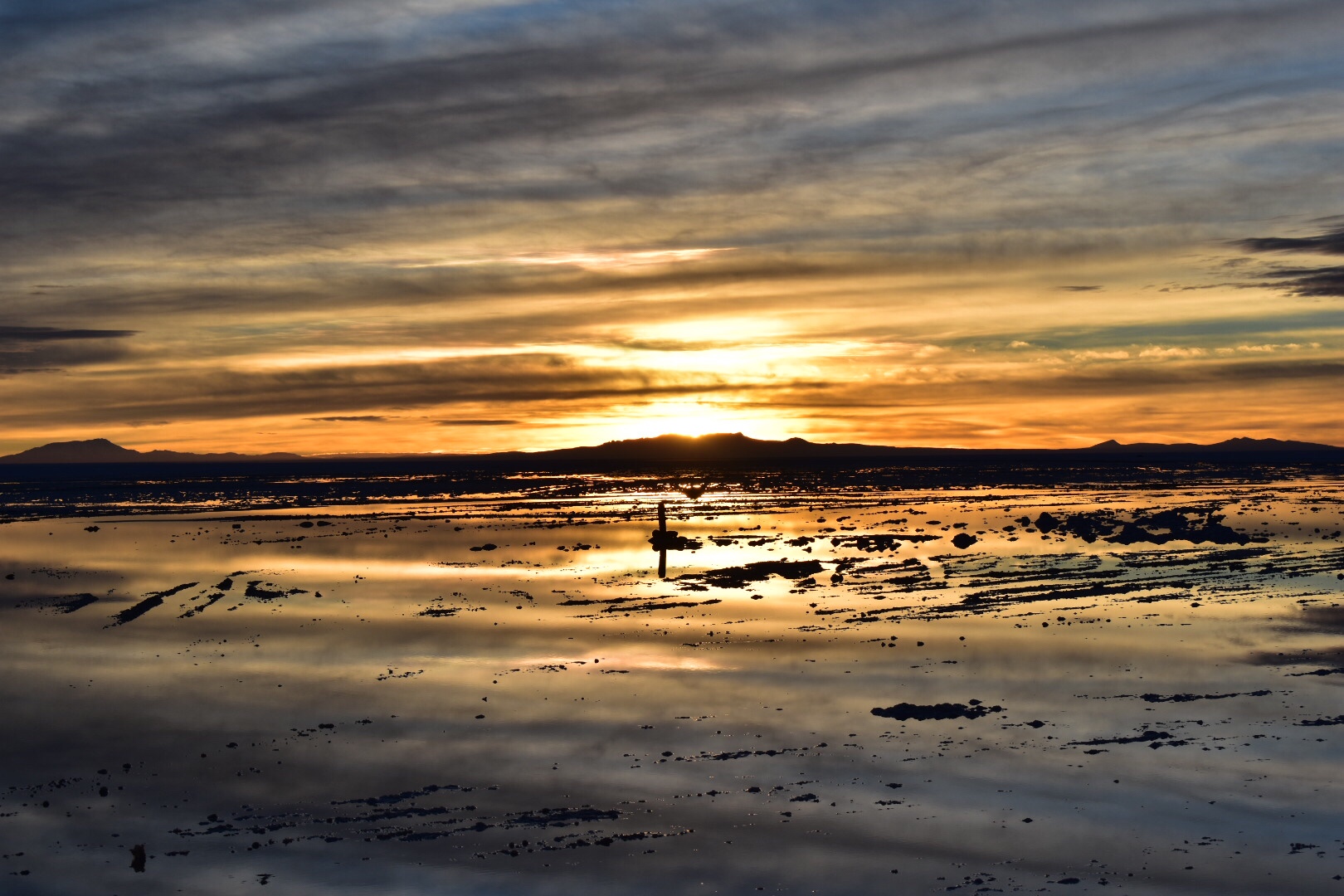
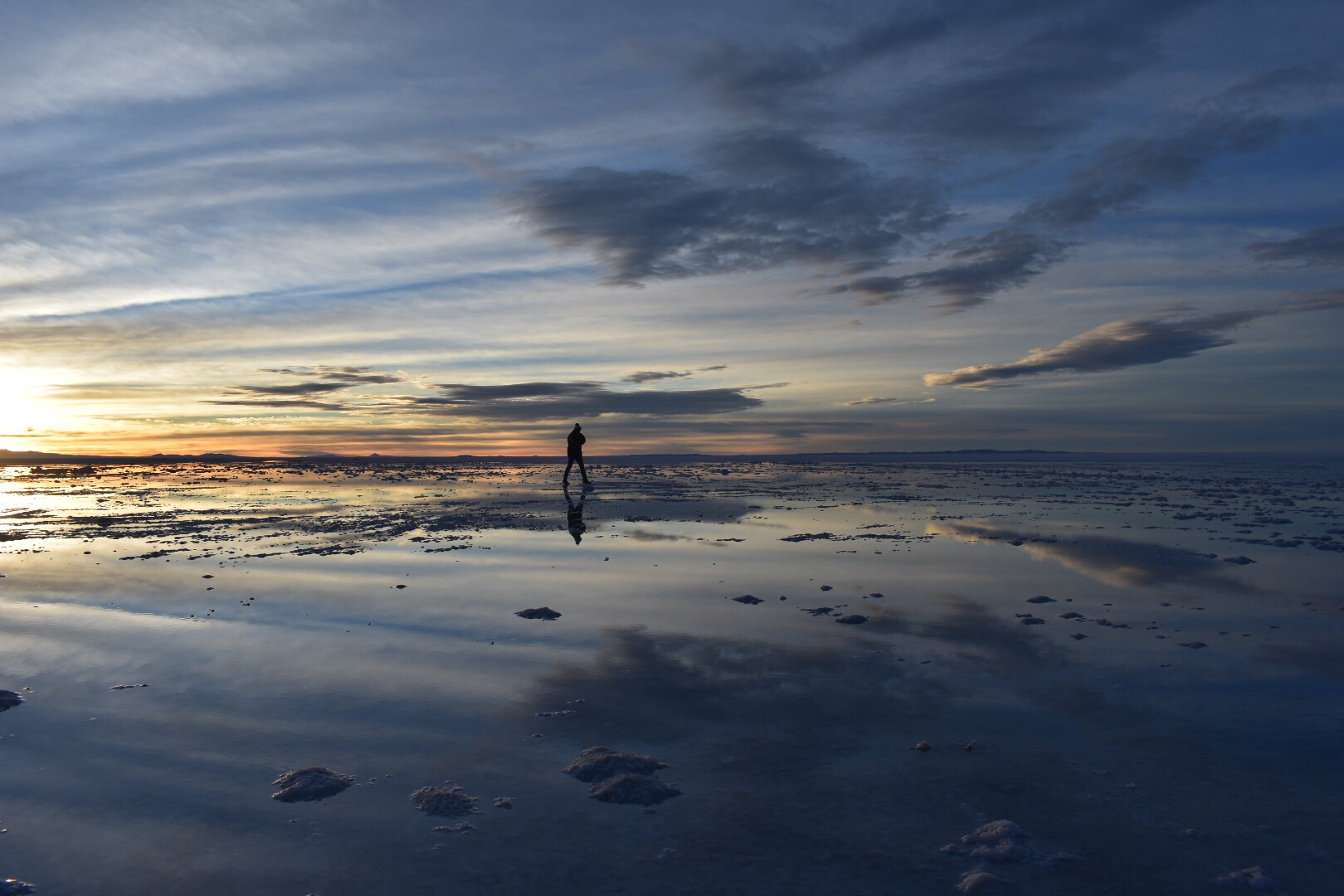
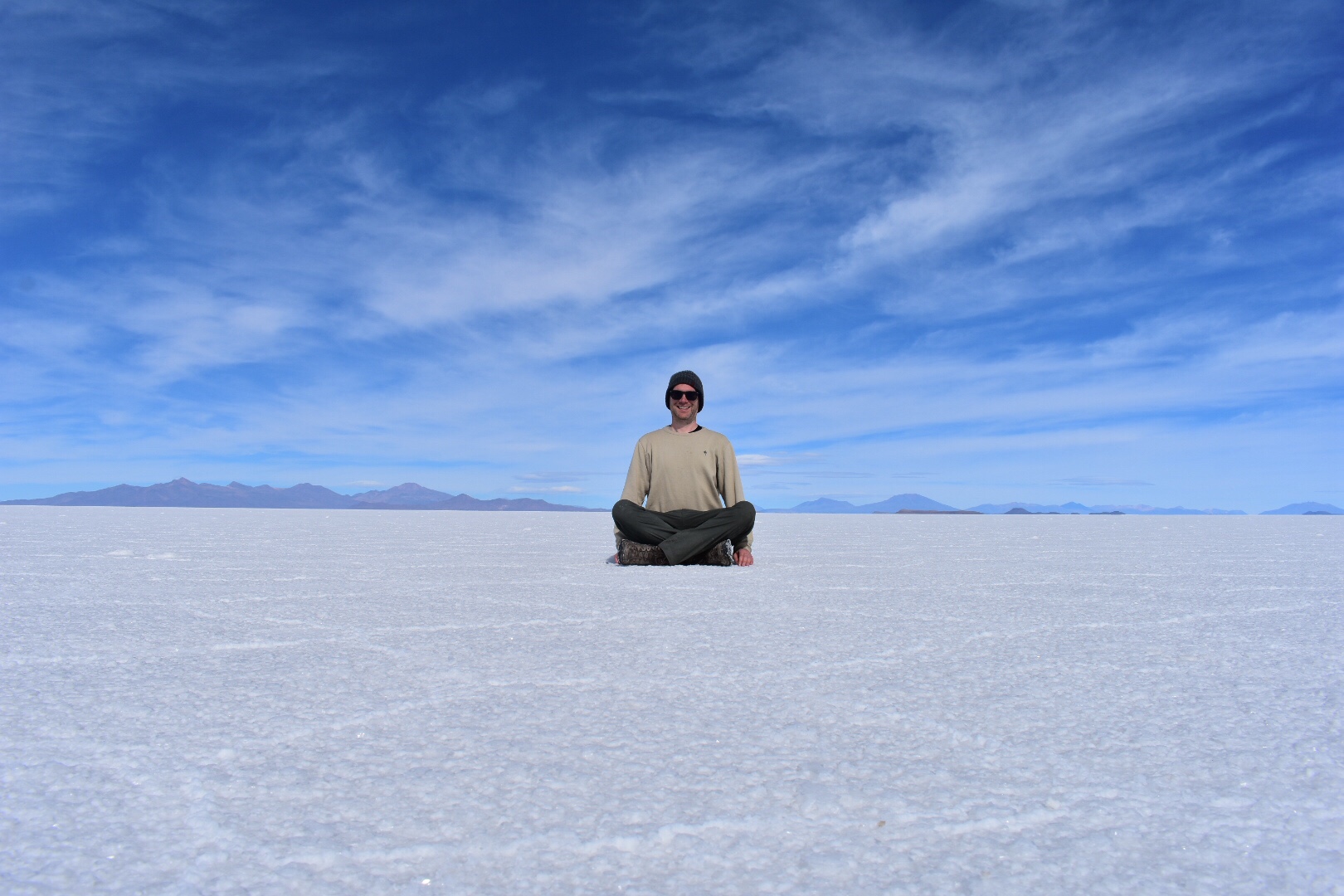
Soon we arrived at the Salar de Uyuni and this part was covers in a thin layer of water giving a beautiful reflection. I can’t tell you how cold it was here but it was completely worth it. I’ve never seen so many colours and the reflections with the clouds was just stunning. There are no filters on any of the shots below. It’s all completely natural.

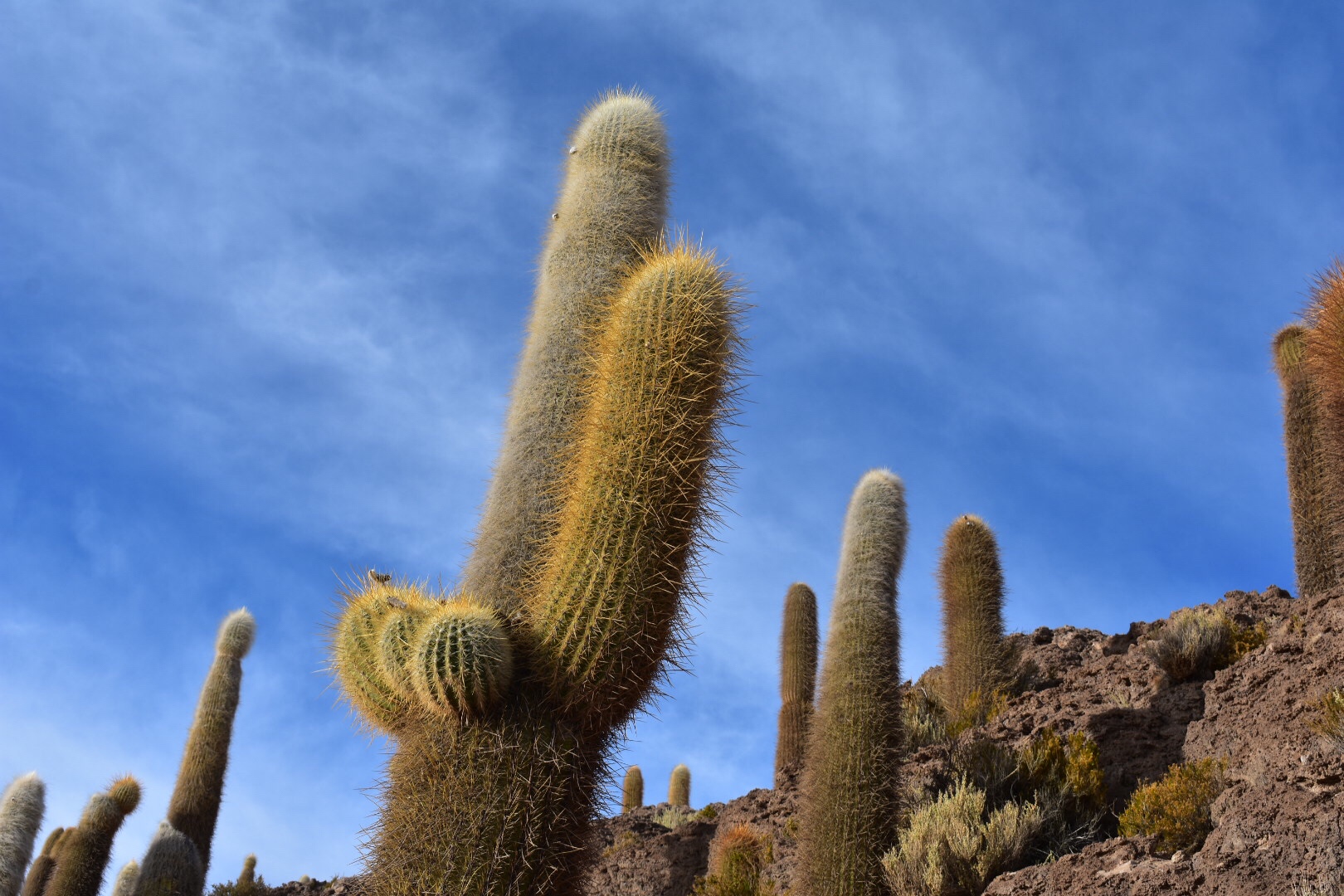
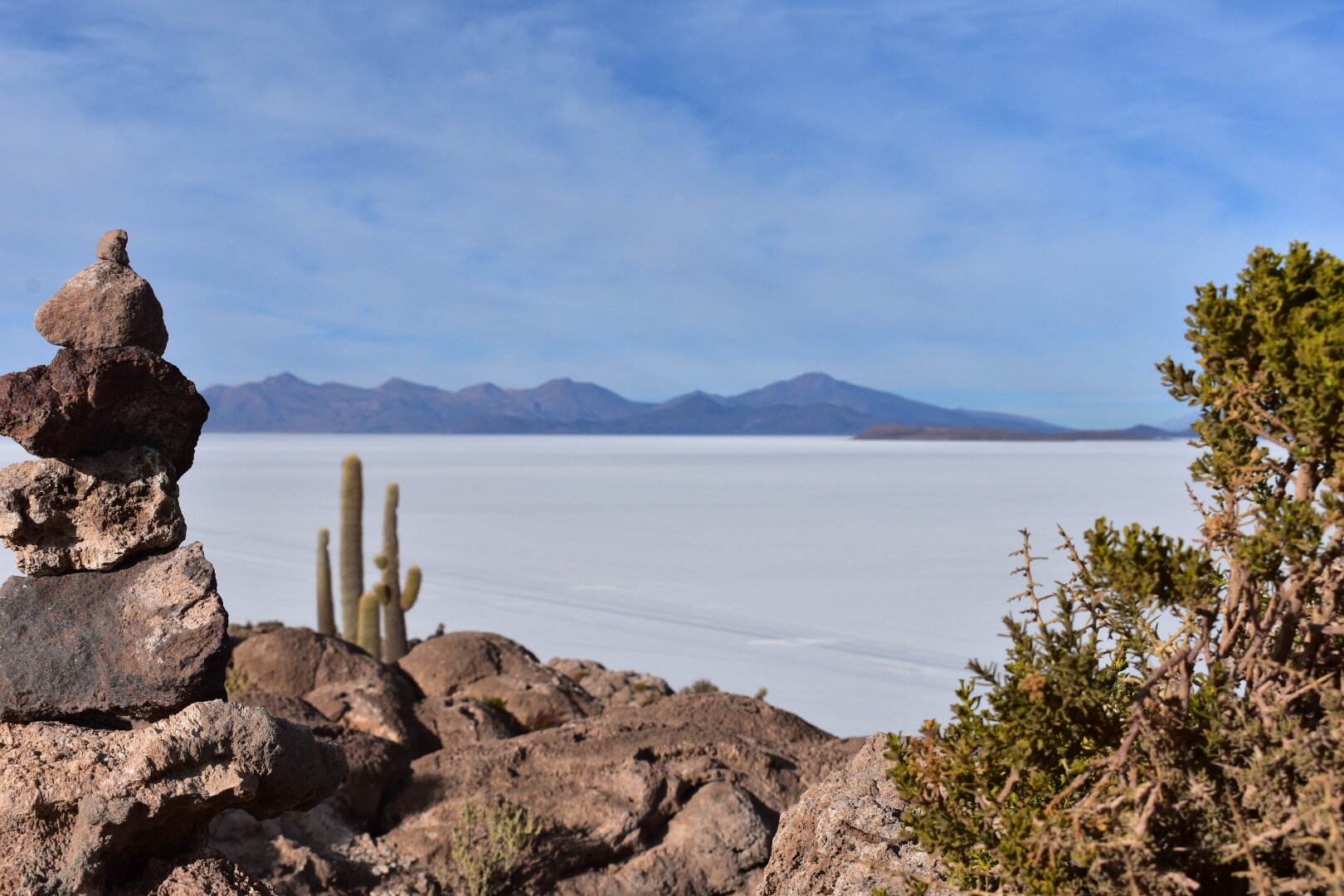
After we had watched the sun rise we were taken to an island in the lake where the re were lots of cactus growing. Just to give you an idea of scale the lake is 200 kilometres long. That’s further than from Portsmouth to London. And a depth of 140 metres. It’s huge.

We walked around the island in the middle of the Salt and returned to have breakfast in a beautiful setting.

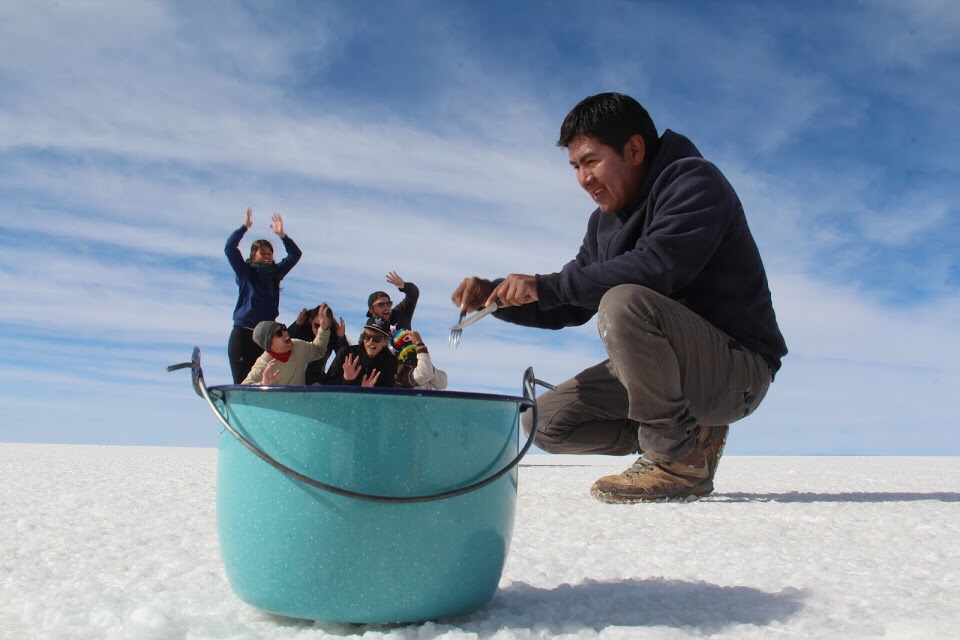
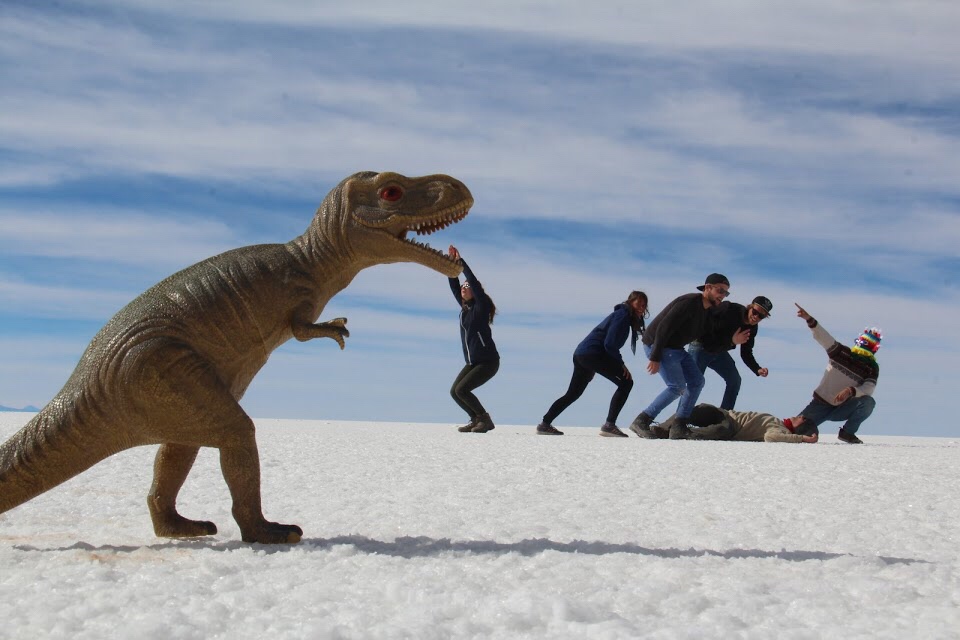
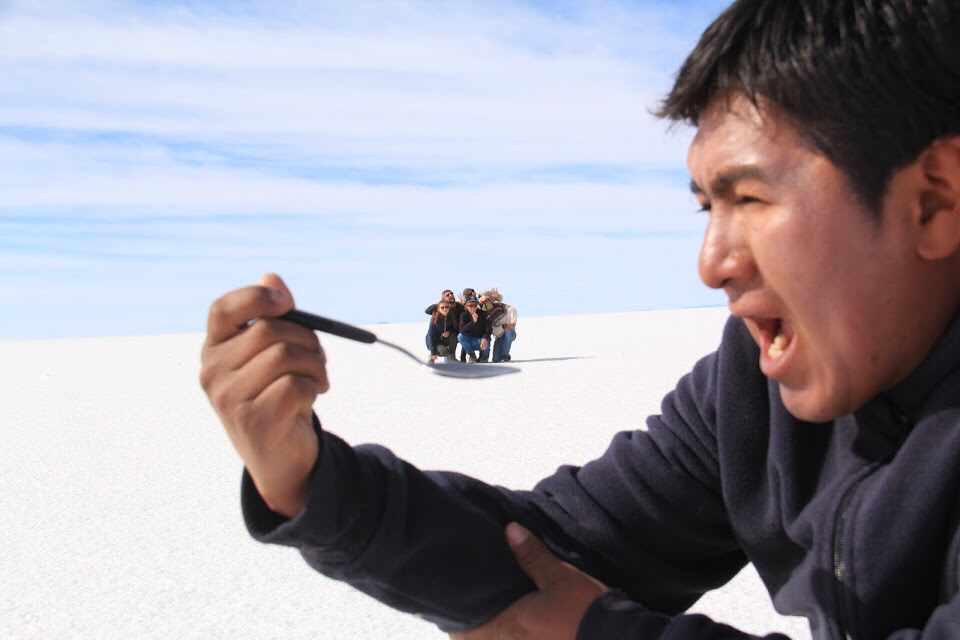
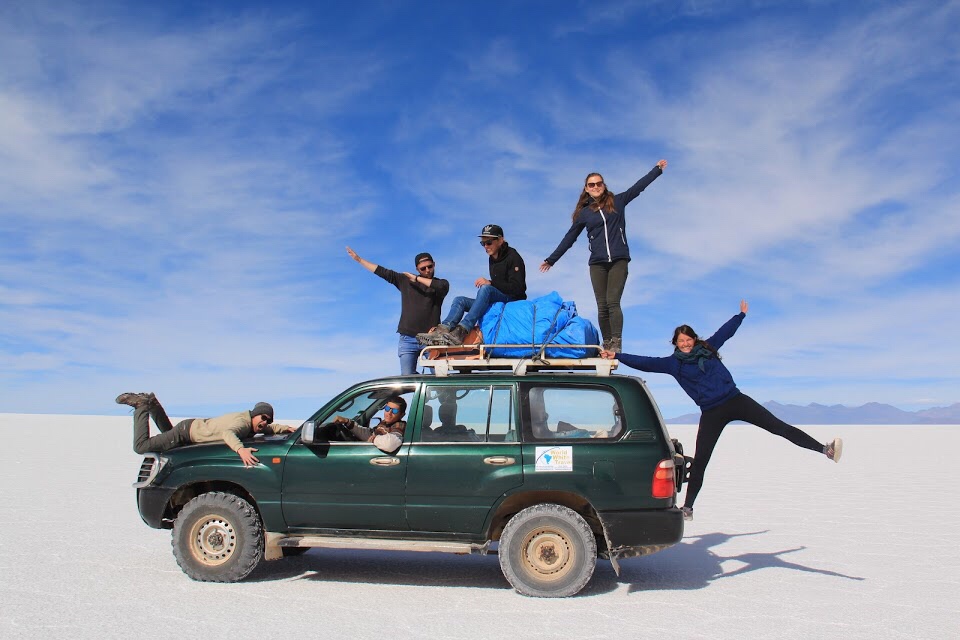
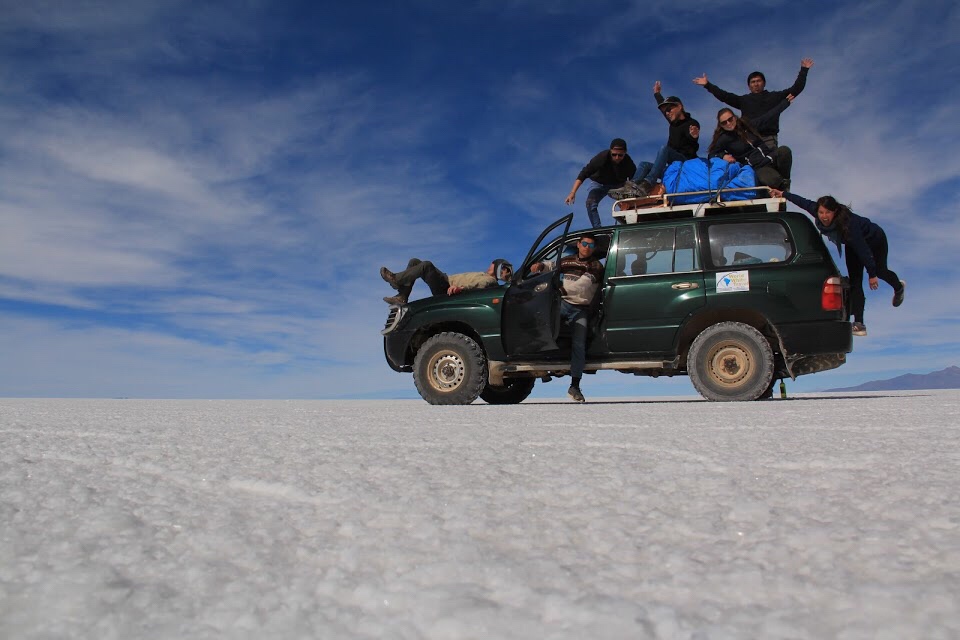
Afterwards it was time to make the perspective photos and kudos to Melissa as she took charge and without her I don’t think they would have been anywhere near as good.

After we finished playing around it was time to leave but not before we stopped past a lot of flags in the Salt Flats.

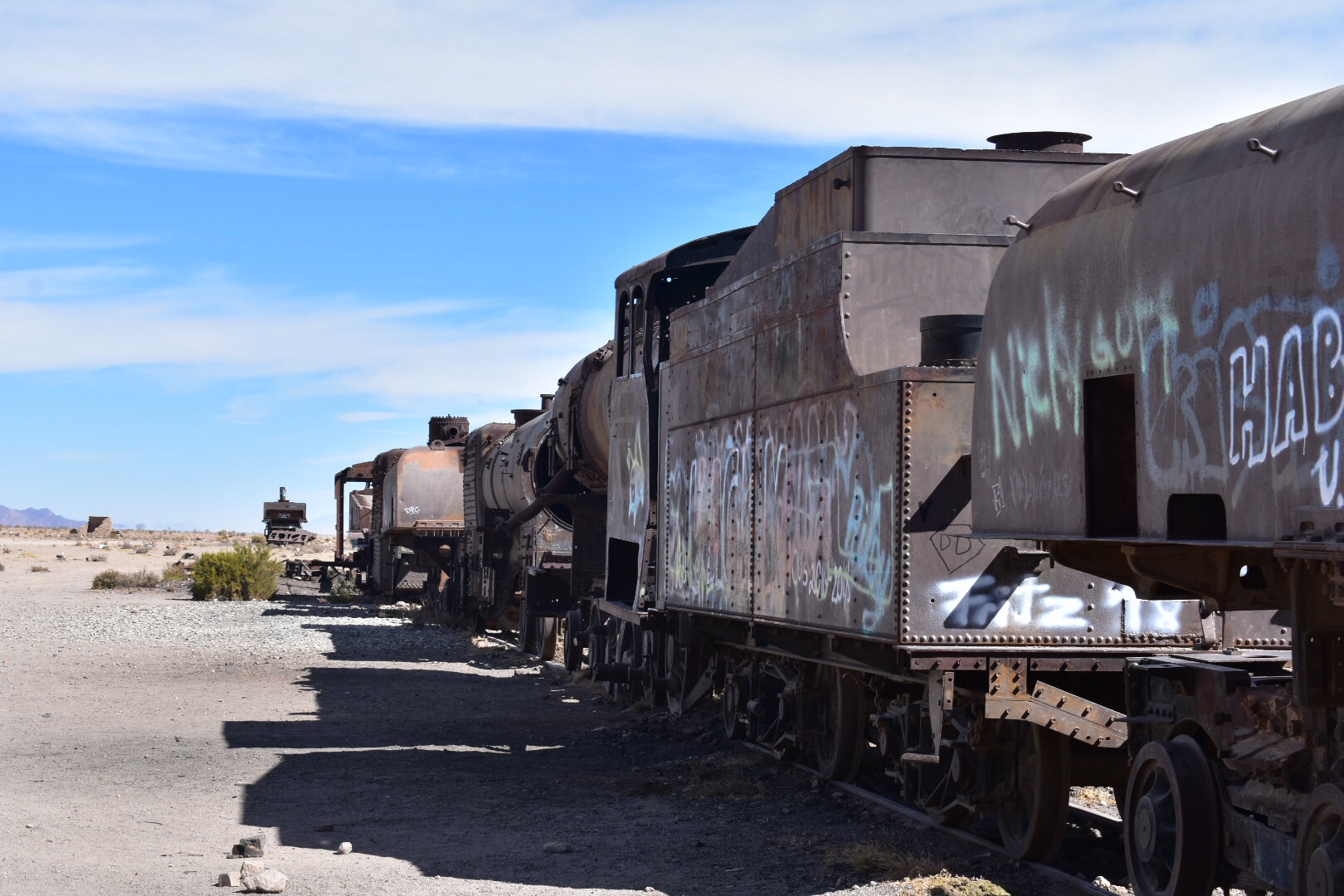
And then there was one last stop in Uyuni. A train cemetery. I’d like to write so much more but again this is crashing due to the amount of photos so I’ll leave them to do the talking.

Page 8 of 12

Powered by WordPress & Theme by Anders Norén